The relationship between overextended personal debt and a medical crisis represents one of the most devastating and morally fraught intersections in modern American life. It is a uniquely cruel paradox where an event that necessitates focus on health and recovery simultaneously triggers a financial emergency that can dismantle a family’s economic security for years, if not decades. This is not debt born of frivolity, but of mere survival, making its consequences all the more profound.
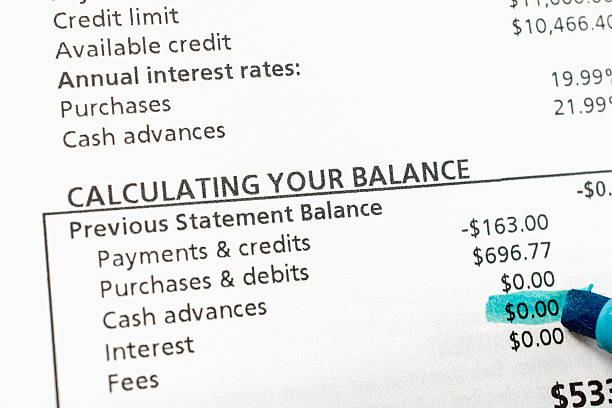
A serious illness or injury unleashes a dual financial assault: the towering, often incomprehensible bills from providers and hospitals, and the collateral damage of lost income from missed work. Even with insurance, high deductibles, co-pays, and out-of-network charges can create a five-figure obligation overnight. Faced with this, families have few palatable options. Savings are rapidly depleted, and high-interest credit cards are maxed out as a stopgap measure. Many are forced to take on installment loans or even raid retirement accounts, incurring penalties and sacrificing their future security to address the present crisis.
The psychological toll of this debt is immense and directly counter to healing. The stress of incessant bills and collection calls can impede physical recovery, creating a vicious cycle where financial anxiety exacerbates health problems. Patients may face an impossible choice: continue necessary treatments and plunge deeper into debt or halt care to mitigate financial ruin. This burden strains familial relationships to their breaking point, as the fear of bankruptcy looms over the household long after the medical emergency has passed.
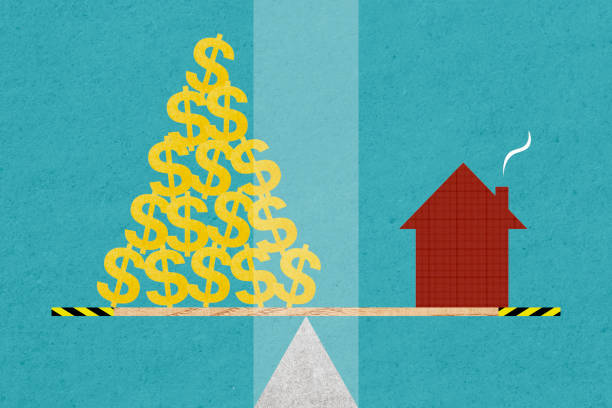
Ultimately, medical debt is a testament to a systemic failure. It is a form of punishment for being sick, a financial contagion that spreads from a health crisis to every aspect of a person’s life. It forces individuals to mortgage their future well-being to pay for their immediate survival, eroding the foundations of economic stability—savings, creditworthiness, and retirement funds—precisely when they are most vulnerable. This type of debt reveals a harsh truth: that in the face of illness, financial ruin is often not a result of poor planning, but an unavoidable diagnosis.