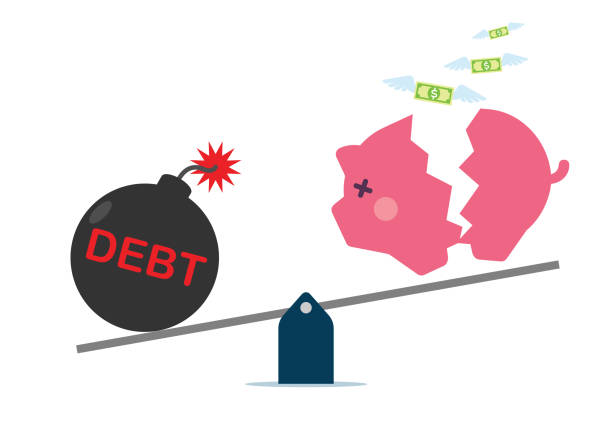
Your credit score is a mysterious thing to most people. You know it matters for getting a loan, renting an apartment, or even landing a job, but what actually goes into it? One of the biggest pieces of that puzzle is something called your debt-to-limit ratio. You might also hear it called credit utilization. It sounds technical, but it’s a simple idea: the amount of money you owe on your credit cards compared to the total amount of credit available to you. For example, if you have two cards with a combined limit of $10,000 and you currently owe $3,000, your debt-to-limit ratio is 30%. This single number carries surprising weight in the world of credit scoring.
Why does this ratio matter so much? Lenders are in the business of lending money, and they want to know if you’ll pay them back. A person who has maxed out their credit cards looks riskier than someone who has plenty of available credit. When you use a large portion of your credit limit, it suggests you might be living beyond your means. It doesn’t matter if you have a high salary or a big inheritance. Your income is not directly part of this calculation. A wealthy person who carries a $50,000 balance on a $60,000 limit looks more dangerous to a lender than a modest earner who uses only $500 of a $10,000 limit. That seems backwards, but it’s how the system works.
The debt-to-limit ratio is responsible for about 30% of your FICO score, the most commonly used credit score. That makes it the second most important factor, right after your payment history. But there’s a key difference. Payment history is binary: you either paid on time or you didn’t. The debt-to-limit ratio is a sliding scale. You have control over it every single month. You can actively work to improve it, whereas a late payment from three years ago just sits there waiting to fade away.
So what’s a good ratio? Most financial experts say you should keep it under 30%. That means if your total credit limit is $10,000, you should owe less than $3,000 at any given time. But lower is better. People with excellent credit often have ratios under 10%. Some scoring models even reward you for having a ratio of zero, but that’s not always the smartest move. Using a little bit of credit and paying it off shows you can manage borrowing responsibly.
The tricky part is that the ratio is usually calculated based on your balance on the last day of your billing cycle. That means if you put a big purchase on your card, then pay it off in full after the statement arrives, the high balance still gets reported. Your credit report shows that you had a high balance, even though you didn’t pay any interest. This gets a lot of people. They think they’re using their card wisely, but they accidentally create a high debt-to-limit ratio. The fix is simple: pay your bill before the statement closing date, not just the due date. Or make multiple payments throughout the month. If you know you’ll have a large expense coming up, you can prepay some of your balance to keep the reported number low.
Another common mistake is closing old credit cards. Maybe you don’t use a certain card anymore, so you cancel it. That reduces your total available credit, which pushes your debt-to-limit ratio up. Even if you owe the same amount, your ratio goes up because the denominator got smaller. A better move is to keep the card open, even if you don’t use it much. You can also ask for a credit limit increase. This gives you a bigger cushion and automatically lowers your ratio, as long as you don’t go out and spend the new limit.
The debt-to-limit ratio also affects each card individually. Some scoring models look at your overall ratio, but they also consider the ratio on each specific account. Maxing out one card is worse than spreading the same debt across a few cards. So if you have to carry a balance, consider using multiple cards, but be careful not to open too many new accounts. Each application triggers a hard inquiry, which can temporarily lower your score.
The bottom line is that your debt-to-limit ratio is one of the most direct levers you have on your credit score. Unlike your income or your employment history, this is something you can change in a matter of weeks. By keeping your balances low relative to your limits, timing your payments to avoid statement reporting, and avoiding card closures, you can keep this important number in a healthy range. It might seem odd that such a simple ratio carries so much weight, but that’s the reality. Pay attention to it, and your credit score will thank you.