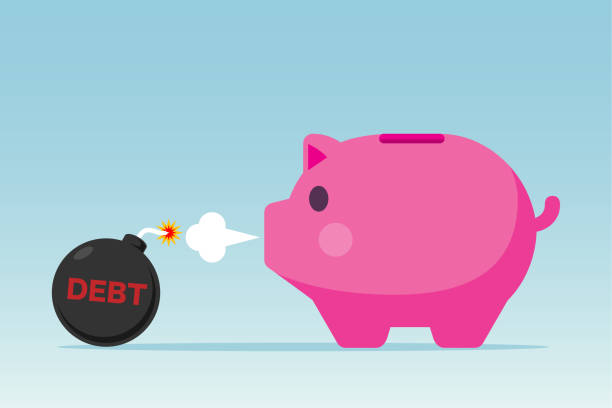
When an unexpected expense arrives, the first question many people ask is not whether they can cover it, but how quickly they can borrow the money. A broken water heater, a medical bill, or a car repair that cannot wait can push a household into debt in a matter of days. For middle-class families without emergency savings, the real problem is not just the expense itself. It is the way that expense interacts with credit cards, personal loans, and payment plans. Without a cash cushion, the cost of an emergency becomes much larger than the original bill, and the effects can last for years.
The most common response to an emergency is to put the expense on a credit card. That seems simple and convenient. The card is already in the wallet, and the payment can be made in seconds. But the convenience hides a serious issue. Most credit cards carry interest rates above twenty percent, and some carry rates closer to thirty percent. If a family charges three thousand dollars for a new furnace and can only afford to pay one hundred dollars a month, the debt will take more than three years to clear. In that time, the family will pay more than one thousand dollars in interest alone. The emergency that started with a broken furnace now costs nearly half as much again due to borrowing. That is the hidden price of not having emergency funds.
Even when a person manages to pay off the balance before interest accrues, the emergency can still disrupt other parts of a budget. Money that goes to the credit card payment is money that does not go to groceries, utilities, or the next month’s rent. The shortage then causes another small borrowing decision. Maybe the family uses a different card for daily spending. Maybe they enroll in a buy-now-pay-later plan for clothes or home goods. Maybe they delay a regular saving contribution. Each decision on its own seems minor, but together they create a pattern of living slightly beyond regular income. The original emergency was a one-time event, but the financial response becomes a permanent drag on the household.
Another effect is the emotional weight of carrying credit card debt. Many middle-class consumers feel shame about using credit for everyday needs, even when the alternative was to miss a payment or let a repair go unfinished. This shame often leads people to avoid looking at their account balances. They make minimum payments and hope for a bonus or a tax refund that will eventually clear the debt. Meanwhile, the interest continues to compound. The debt grows even as the family makes consistent monthly payments. After a year, the balance may be only slightly lower even though the family paid thousands of dollars. This is not a failure of discipline. It is simply the mathematics of high-interest debt on a moderate income.
A lack of emergency funds also harms a family’s ability to take advantage of normal financial opportunities. When a car needs a major repair, a person without savings may have no choice but to visit a high-cost repair shop that offers financing. When a child needs braces or a medical treatment, the family may accept a payment plan with unfavorable terms because they cannot pay in cash. When an old appliance dies, they may buy a new one on a store card with deferred interest. In each case, the absence of savings removes the power to negotiate. A person with cash can ask for a lower price, choose a better service provider, or wait for a sale. A person without cash must accept whatever terms are available. Over time, this difference produces a large gap in total lifetime costs between households with emergency funds and households without them.
The solution is not simple, but the goal is clear. An emergency fund is not a luxury or a suggestion. It is a basic tool for protecting a family from the high cost of borrowing. Even a small fund makes a difference. A thousand dollars in savings can cover a minor plumbing issue or a car deductible without touching a credit card. It gives a person time to compare options and make a rational decision. As the fund grows to three or six months of expenses, it offers even larger protection. But getting there is hard for families living paycheck to paycheck, which is why the focus should be on starting small and staying consistent. A fifty dollar automatic transfer each month is not exciting, but it builds a buffer that changes the way emergencies affect the household. The most important part is to treat that transfer as a fixed expense, no different from rent or insurance.
In the end, the lack of emergency funds is not about the emergency itself. It is about who pays the highest price for that emergency. Families without savings end up paying interest, late fees, and finance charges. They pay with flexibility, peace of mind, and future choices. The person with savings pays the repair bill once and moves on. The person without savings pays for the repair, then pays again and again through debt. That repeated payment is what keeps many middle-class families from building wealth, even when their incomes are steady. An emergency fund does not prevent bad things from happening. It prevents those bad things from taking over the entire financial picture.