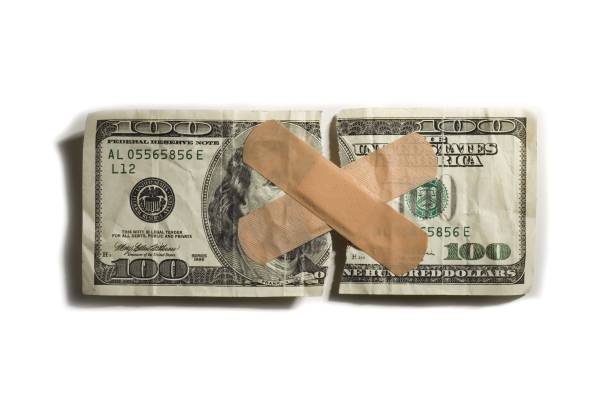
Life has a way of throwing surprises at you. The car that refuses to start on a Monday morning. The water heater that gives out in the middle of winter. The sudden trip to the emergency room for a child’s high fever. None of these events are rare. In fact, most middle-class families will face at least one unexpected expense in any given year. The question is not whether these surprises will happen, but how you handle them when they do.
For a surprising number of households, the answer is a credit card. That is not because people do not know better. It is because they have no other option. The money that comes in each month goes right back out to cover rent, groceries, utilities, and the regular bills that never seem to stop. There is nothing left over to set aside for a rainy day. So when the rainy day arrives, the credit card becomes the emergency fund. And that is where the trouble really begins.
Consider what happens when a family of four faces a two-thousand-dollar car repair. They have no savings account balance to draw from. The mechanic cannot wait. The car is needed for work, for school drop-offs, for everything. So out comes the credit card. The family tells themselves they will pay it off quickly. But the card has an interest rate of twenty percent or more. The minimum payment is small, so they pay that. Another unexpected expense comes along, and the balance grows. Before long, the original repair has doubled in cost due to interest and late fees. The debt starts to feel like a permanent shadow.
This pattern is common, and it is not a sign of bad decision making. It is a sign of a missing safety net. Middle-class families often earn enough to cover their daily needs, but not enough to absorb large shocks. The phrase “living paycheck to paycheck” applies to more people than you might think. Many households with decent incomes have less than a thousand dollars in savings. That means any moderate emergency can knock them off balance. And when the emergency is paid for with credit, the monthly budget gets tighter, making it even harder to save next time. It is a vicious cycle.
The real problem is not the emergency itself. Emergencies are a normal part of life. The problem is the lack of a buffer. When you have no emergency fund, you are forced to borrow at high interest rates to solve immediate problems. Borrowing is not always wrong. A mortgage or a student loan can be a smart investment in your future. But using credit for a car repair or a medical bill means you are paying interest on something that is already gone. You get no lasting value from it. The money is spent, and you are still paying for it months or years later.
Let us be clear about what an emergency fund should cover. It is not for a vacation or a new television. It is specifically for the unexpected expenses that threaten your ability to stay current on your regular bills. A good target is three to six months of living expenses. That number sounds impossible for many people, and it is hard to reach all at once. But building it slowly is the key. Even a small cushion of five hundred dollars can cover a parking ticket or a minor repair without touching a credit card. A cushion of two thousand dollars can handle many common home and car issues. The goal is not to be rich. The goal is to be ready.
The hardest part is getting started. If you have no savings, the idea of putting away a significant amount feels unrealistic. But you do not need to start big. Start with twenty dollars a week. Or forty dollars a month. The exact number matters less than the habit. Treat your savings like a bill that must be paid. Set up an automatic transfer from your checking account to a separate savings account on payday. Out of sight is out of mind, and that helps. As your debt decreases or your income increases, raise the amount. The point is to create a buffer where none exists. Every little bit helps, and the psychological benefit is just as important as the financial one.
Another way to protect yourself is to reduce the size of the emergency. That sounds odd, but think about it. A new roof costs ten thousand dollars. A small roof patch costs a few hundred. A full transmission replacement is enormous. Catching small issues early, through regular maintenance, makes emergencies smaller and less frequent. Change the oil in your car. Replace the batteries in your smoke detectors. Fix the small leak under the sink before it becomes a flood. None of this is exciting, but it prevents the big surprises that force you into credit card debt. Routine care is cheaper than crisis care, whether we are talking about your home, your car, or your body.
The lack of emergency funds does not simply cause debt. It creates stress, tension in relationships, and sleepless nights. It forces you to choose between fixing the car and paying the electric bill. It makes you feel like you are always one step behind. That is a miserable way to live, especially when you work hard and play by the rules. The good news is that you can change your situation. It will not happen overnight, and it will not be easy, but it is possible. Start by acknowledging that the credit card is not an emergency fund. It is a tool, but using it for emergencies is extremely expensive. Then begin saving something, anything, on a regular basis. Watch your spending for a month and identify small cuts you will not miss. Put that money aside before you have a chance to spend it.
Building an emergency fund is not about having a perfect budget or making a huge salary. It is about making a conscious decision that you will not let a small problem become a big debt. The next time the car needs repair or the kid gets sick, you will have options. You will be able to pay without the interest, without the stress, and without the long repayment plan. That freedom is worth the sacrifice. And it is within reach for nearly every middle-class family. You just have to start.