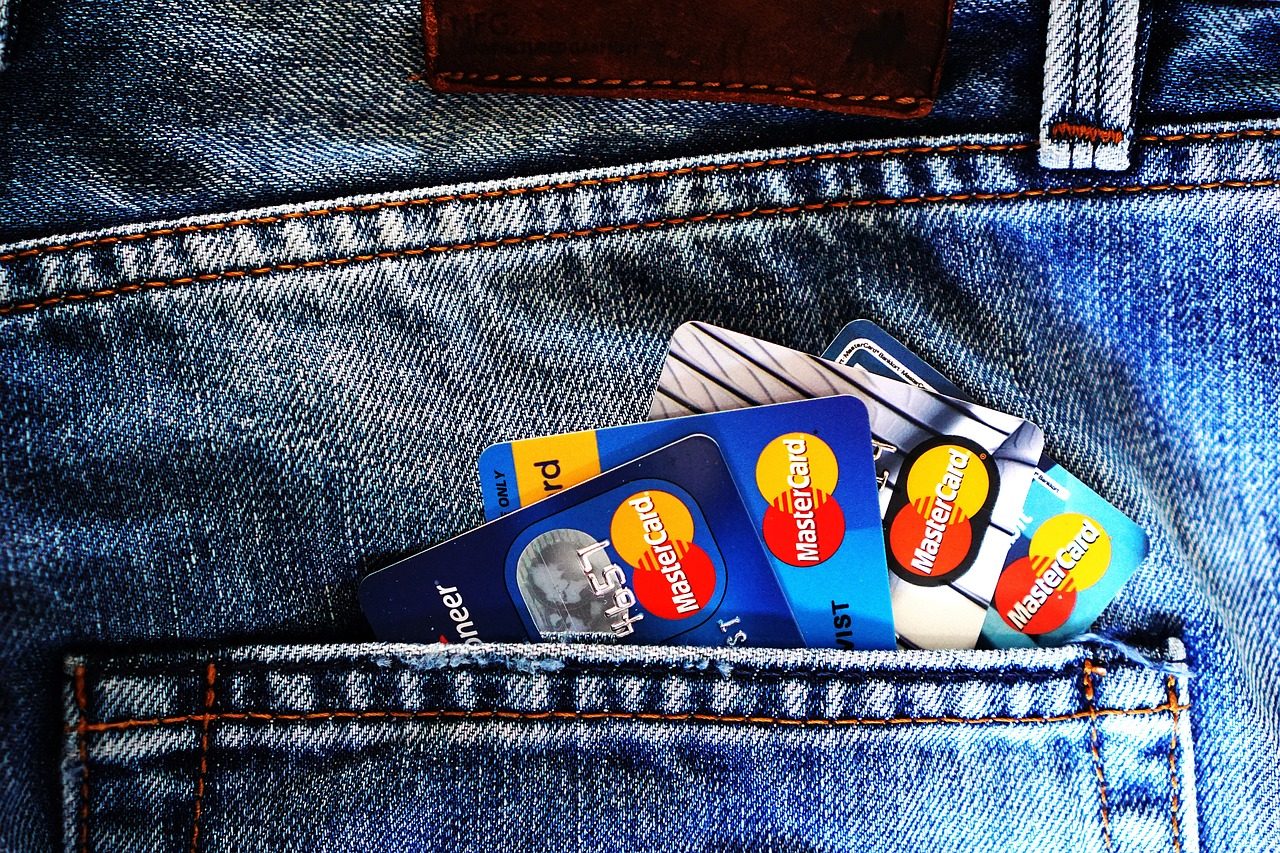
A large credit card balance does more than add a monthly payment. It shrinks the room a household has to handle surprises. For many middle-class consumers, income is steady but savings are limited. In that situation, flexibility is not a luxury. It is the difference between a minor problem and a financial setback. A high balance can make everyday choices feel narrower.
A credit limit is not extra income. It is a borrowing limit. When a balance grows, the amount of available credit falls. That matters when the car breaks down, a medical bill arrives, or a paycheck is delayed. If cash savings are thin, a high balance can turn a small emergency into a crisis. The monthly payment also takes money that could have gone into savings. Less savings means less ability to absorb the next surprise. The card becomes the emergency plan, and the balance grows again.
High balances also affect the cost of other borrowing. Lenders look at how much of your available credit you are using. If your cards are close to their limits, a lender may see you as a bigger risk. That can make it harder to get a car loan, a mortgage, or a loan at a good rate. Even when you are approved, the cost may be higher. A higher payment leaves less room in the monthly budget. It can delay a home purchase, a move, or a plan to pay off debt. In plain terms, a high balance can make future money more expensive and future choices less open.
The effect on daily decisions is easy to miss. When a large share of your income goes to debt payments, you have less ability to save for a move, a career change, or a short unpaid leave. You may stay in a job you would otherwise leave because you need the next paycheck. You may skip a training course or turn down a chance to relocate. You may put off repairs or medical care because the monthly card payment has already claimed the money. None of these choices look dramatic. Together, they reduce your ability to adapt when life changes.
A high balance can also make it harder to negotiate. If you have savings and low debt, you can wait for a better deal, ask for a lower price, or walk away from a bad offer. If you are carrying a large balance, you may feel pressure to take the first option available. That pressure can show up in car repairs, housing, insurance, and even job decisions. Flexibility means having enough room to say no when a deal is poor or to wait when waiting is smart. Debt payments can remove that room.
The problem can grow through small, ordinary habits. A balance that starts with one emergency can lead to using the card for groceries or gas. Interest adds to the amount owed. Minimum payments keep the account current but may do little to reduce the balance. Then a small drop in income or a surprise bill causes a missed payment. Fees and a higher interest rate can follow. Each step makes the next month tighter. The household is not failing dramatically. It is simply losing options one at a time.
Protecting flexibility starts with seeing a credit card balance for what it is: a claim on future income. Pay more than the minimum when possible, and focus extra payments on the card with the highest interest rate. Keep balances low compared with your limits, and aim to pay the full statement balance each month. Build a small cash cushion. Avoid using credit for regular bills you cannot repay by the due date. Check statements for errors and for automatic charges you no longer need. These steps are simple, but they create room.
Reduced financial flexibility is one of the costs of carrying too much credit card debt. It does not always show up as a late payment or a low credit score. It shows up as fewer choices, more stress, and a smaller margin for error. Managing credit well is not about chasing a perfect score. It is about keeping enough room to handle real life. A lower balance can give that room back.