

A car can feel like freedom. It gets you to work, school, and family. But when the loan behind that car grows faster than your ability to pay, auto debt can become a trap. For many middle-class households, the problem isn’t one huge purchase. It’s a series of reasonable-sounding decisions: a slightly nicer car, a longer loan, a smaller down payment, and a monthly payment that fits today but not next year. Over time, the car owns more of your paycheck than you do.
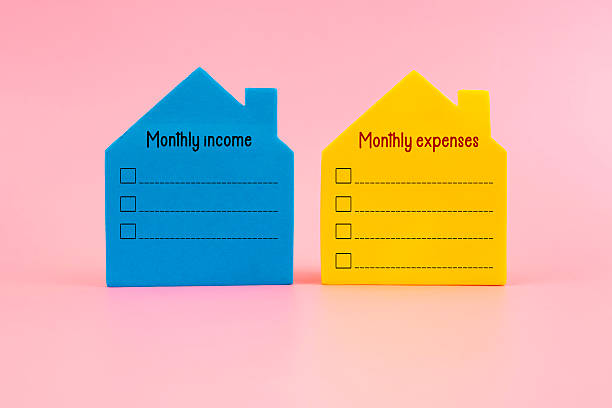
Auto debt becomes overextended when the total cost of keeping the car on the road takes too much of your monthly budget. That total includes the loan payment, insurance, gas, maintenance, and repairs. Many people focus only on the loan payment. A $450 payment may look manageable, but add $150 for insurance, $120 for gas, and $80 for repairs, and the real cost is $800 or more. If your take-home pay is $4,000 a month, that car is consuming one-fifth of your income before you pay rent or save anything.
The first warning sign is a payment that leaves no room for surprises. Cars are machines, and machines break. A set of tires can cost $600 to $1,000. A transmission repair can cost several thousand dollars. If your budget is stretched to the limit by the loan payment, you may need a credit card to cover maintenance. That turns auto debt into credit card debt. You are no longer just paying for the car. You are paying interest on the repair, too.
Long loan terms make this easier to miss. A dealer might offer a 72-month or 84-month loan to lower the monthly payment. That sounds helpful, but it means you pay interest for six or seven years. It also means you stay “upside down” or “underwater” for much longer. Being underwater means you owe more than the car is worth. New cars lose value quickly. If you owe $28,000 on a car worth $22,000, you cannot simply sell it to escape the loan. You would need to pay the $6,000 difference out of pocket. Many buyers cannot, so they roll the old loan into a new one. Now they owe even more, and the cycle continues.
Life changes make auto debt dangerous, too. A job loss, a cut in hours, or a medical bill can reduce income overnight. The car payment does not care. It arrives every month on the same date. When money gets tight, people often prioritize the car over other debts because they need transportation. That can lead to late payments on credit cards, medical bills, or utilities. Late payments can hurt your credit score, which makes future borrowing more expensive. If payments fall far behind, the lender can repossess the car. A repossession doesn’t erase the debt. The car may be sold at auction for less than you owe, and you are still responsible for the remaining balance. You lose the car and still owe money.
To avoid overextended auto debt, set a limit before you shop. A common guideline is to keep total transportation costs under 15 percent of your take-home pay, though some households may need to go lower. Save for a down payment of at least 10 to 20 percent if possible. Choose a loan term of five years or less. Avoid rolling an old loan you are underwater on into a new loan. Get an insurance quote before you buy. Leave room in your budget for repairs. If you already feel stretched, consider selling the car and buying something cheaper, refinancing to a lower rate, or increasing income temporarily. The goal is not to drive the cheapest car forever. It is to keep a car from taking over your financial life.
When auto debt is managed well, a car is a tool. When it is overextended, it becomes a monthly emergency. The difference is not just the car’s price. It is the total cost, the loan terms, and how much breathing room you leave in your budget. A car should help you get where you need to go. It should not keep you from building savings, paying off other debts, or handling the unexpected.