Unexpected things happen all the time. Your car breaks down. Your furnace stops working. You get hit with a medical bill. Without money set aside for these moments, you reach for a credit card. That decision can start a cycle of debt that hurts your credit score and your finances. An emergency fund is the simplest way to protect yourself. It gives you cash when you need it so you don’t have to borrow.
But how much should you actually save? The common advice is three to six months of your essential expenses. That means rent or mortgage, utilities, groceries, transportation, and insurance premiums. Not entertainment, not dining out. Just the basics to keep your life going. If you lose your job, this fund covers you while you look for new work.
However, three to six months is only a starting point. Your situation matters a lot. If you have a stable government job or a position that’s very secure, three months might be fine. If you work in sales, freelance, or any job where income varies month to month, aim higher. Six months or even more gives you a cushion when work is slow. Think about your family too. Are you the single earner for a household with kids? Then you need a larger fund. If you have two incomes, you can probably get by with a smaller one.
Homeowners need extra breathing room. A roof repair or a broken water heater can easily cost thousands. Your emergency fund should be able to handle those surprises. Renters have fewer big-ticket items, so their fund can be smaller. Also consider your health. If you have ongoing medical conditions, keep more cash available.
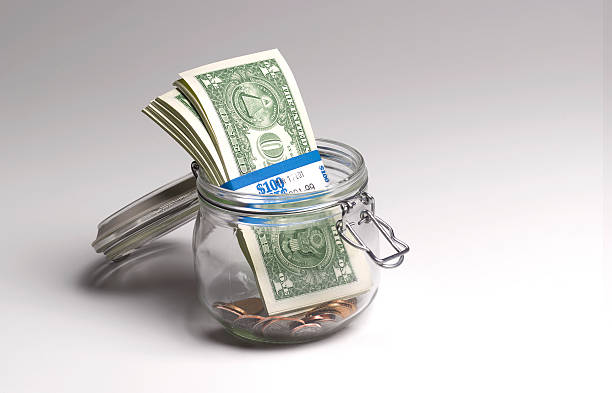
The biggest mistake is doing nothing because the target feels too big. That’s like refusing to drive because you can’t buy a new car. You don’t need six months of expenses saved tomorrow. Start with a small goal. Save $500 or $1,000. That will cover a major car repair or an urgent trip to the emergency room. It stops you from putting that expense on a credit card. Once you have that foundation, add a little each month. Slowly build toward a larger cushion.
Another common mistake is keeping your emergency fund in the wrong place. If you put it in your regular checking account, you’ll spend it. The whole point is that it’s only for real emergencies. Open a separate savings account at a bank you don’t use for daily spending. A high-yield savings account is ideal because it earns some interest while staying totally safe. Avoid investing this money in stocks or mutual funds. The market goes up and down. You need your emergency fund to be stable and available the moment you need it.
What if you have credit card debt? Should you save or pay off debt? The answer is both, but in a specific order. Try to build a small $1,000 emergency fund first. This prevents you from adding to your debt when something goes wrong. After that, focus on paying down high-interest credit cards. Once the cards are under control, go back to growing your emergency fund. This approach gives you protection without ignoring your debt.
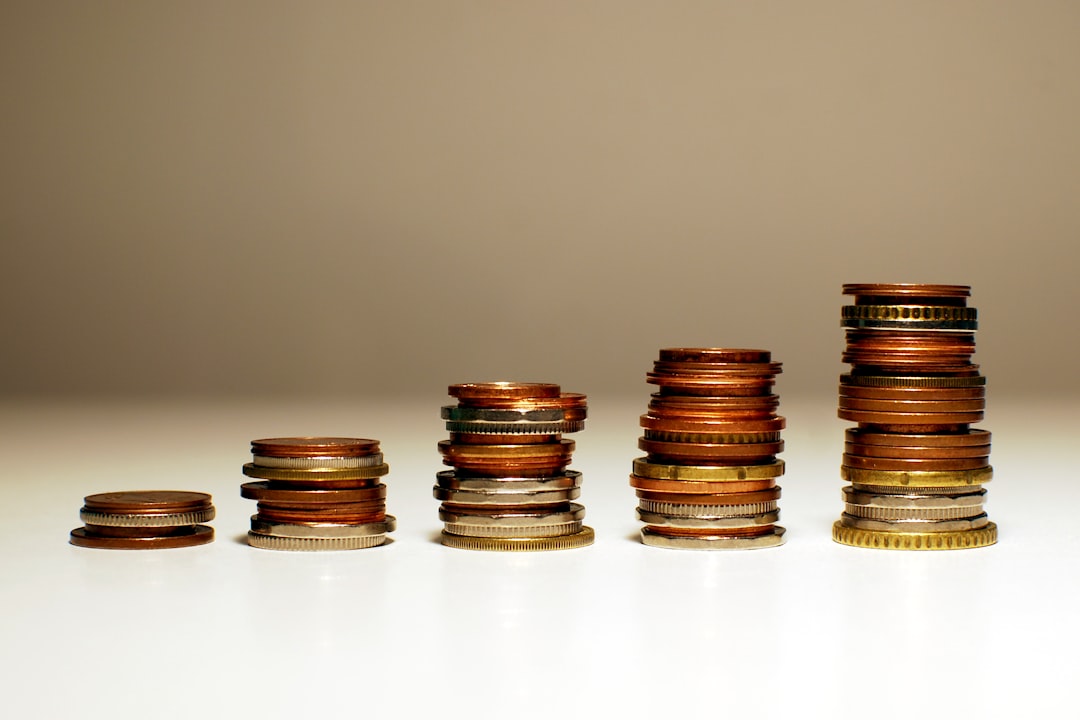
The easiest way to build a fund is to automate it. Set up an automatic transfer from your paycheck to your savings account. Or ask your employer to split your direct deposit so a portion goes directly into savings. When you never see the money, you won’t miss it. Even $25 a week adds up to over $1,300 in a year. Small regular contributions often work better than occasional big transfers.
As life changes, your emergency fund target changes too. If you get a raise, your expenses might go up, so increase your monthly savings. If you pay off your house, you need fewer reserves because your shelter costs drop. Review your fund twice a year. Ask yourself: Does this still cover my essential expenses for the right number of months? Adjust accordingly.
An emergency fund isn’t about being rich or fancy. It’s about being ready. It’s a shield that keeps you away from credit card debt and keeps your credit score healthy. When you have that cash set aside, you can sleep better at night. You can handle a surprise without panic. And you can avoid the slow, painful process of digging out from debt. Start small. Be consistent. Your future self will thank you.