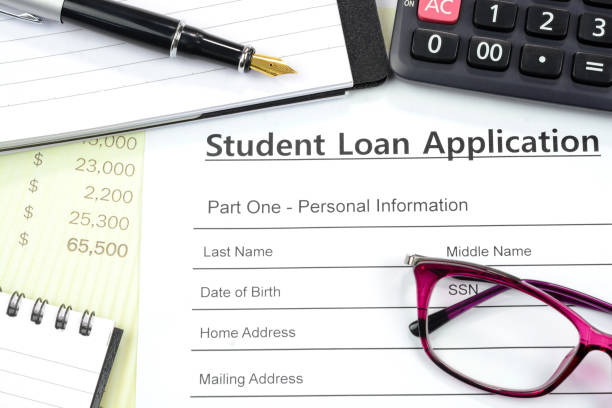
If you are in your 40s, you have likely built a solid credit history. You have paid off cars, maybe a mortgage, and you know how to handle credit cards. But then your child gets accepted to college, and the financial aid package leaves a gap. They ask you to co-sign a private student loan. Before you say yes, you need to understand exactly what that signature does to your credit report and your financial peace of mind. Co-signing is not just a favor. It is a legal promise that you will pay the loan if your child cannot. And that promise comes with real consequences for your credit score, your debt-to-income ratio, and your ability to borrow money for your own needs.
When you co-sign a student loan, the full amount of that loan appears on your credit report as a liability. Lenders see it as your debt, even if you never touch a dime of the money. This matters because your credit utilization is not just about credit cards. It also includes installment loans like student loans. A large student loan can push your total debt load higher, which may lower your credit score slightly. More importantly, it increases your debt-to-income ratio. If you plan to refinance your home, buy a new car, or even apply for a personal loan in the next few years, that student loan counts against you. Lenders will look at your monthly obligations and compare them to your income. A co-signed loan adds a monthly payment that you might not have budgeted for, even if your child is handling it. If your child misses a payment, you are the one who gets the ding on your credit report. Late payments stay for seven years. In your 40s, you cannot afford to let a single late payment drag down the hard work you have done to maintain a high score.
Another hidden risk is that the student loan can affect your credit age and mix. Your credit score rewards a long history of on-time payments. Co-signing a new loan adds a new account to your file. That can shorten your average age of accounts, which might cause a temporary dip in your score. The dip is usually small, but if you are about to apply for a mortgage or a business loan, even a ten-point drop can matter. Also, the loan itself is installment debt. If you already have a good mix of revolving credit and installment loans, adding another installment loan is fine. But if your credit profile is thin, the new loan changes the mix. That is not necessarily bad, but you need to be aware that it shows up.
You also need to think about the long-term relationship with your child. Co-signing puts you in a tricky spot. If your child graduates and struggles to find a job, the loan becomes your responsibility. You might have to cut back on your own retirement savings or delay paying off your own debts. That can breed resentment. The best way to protect yourself is to set clear expectations before you sign. Ask your child to set up automatic payments. Check in every few months to make sure the payments are being made. You can even request that the lender send you duplicate statements so you never get surprised. Some lenders allow you to be removed as a co-signer after a certain number of on-time payments, typically 12 to 48 months. Make sure you know the lender’s policy and work with your child toward that goal.
In your 40s, you have probably been managing credit for two decades. You know that a good score opens doors. A bad score closes them. Co-signing a student loan is not automatically a mistake. Many middle-class families need help bridging the gap between federal aid and tuition. But you must treat it like any other debt you take on. Run the numbers. Ask yourself: If the loan became your sole responsibility tomorrow, could you still pay your mortgage, your car loan, your credit card bills, and still save for retirement? If the answer is no, then you might need to find another way to help your child, such as helping them apply for more scholarships, choosing a less expensive school, or having them work part-time. Your credit is one of your most valuable assets in your 40s. Protect it the same way you protect your home and your retirement accounts.