You got a raise. Finally. After years of grinding, the extra money hits your bank account, and it feels like permission. That nicer apartment, the leased SUV, the daily coffee shop latte, the weekend dinners out—you deserve it, right? This is exactly where lifestyle inflation begins, and for many middle-class consumers, it is the quietest way to undermine both their net worth and their credit health. Lifestyle inflation happens when your spending rises in lockstep with (or faster than) your income. Instead of saving that raise or paying down debt, you upgrade your life. And because this pattern often involves conspicuous consumption—buying things to signal success to others—it can lead straight into a cycle of high credit card balances, missed payments, and a damaged credit score.
The mechanism is simple but insidious. You earn $50,000 and live comfortably. You get a promotion to $65,000. Suddenly, the used car you drove for five years feels embarrassing in the office parking lot. Your friends are eating at nicer restaurants. Social media feeds show vacations and new gadgets. So you finance a newer car, put the vacation on a credit card, and buy a wardrobe that fits the new salary. Your monthly expenses now match or exceed your new income. You haven’t built any emergency savings, and the credit card balance grows. That initial financial victory evaporates into monthly payments with interest.
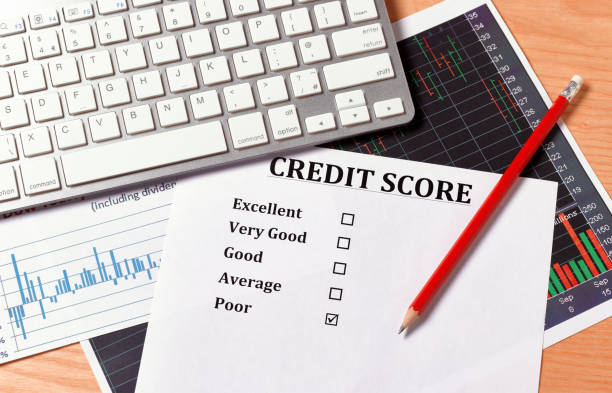
Conspicuous consumption drives this behavior because you are not spending for utility; you are spending for status. A $5 latte every workday is not about the coffee—it is about participating in a ritual that signals you belong. A newer car is not about reliable transportation—it is about not looking like the person who drives a beater. For the middle-class consumer, these choices are often unconscious responses to social pressure. But they have real consequences for your credit profile. When you finance a lifestyle upgrade, you typically rely on revolving credit. Credit card balances increase, pushing up your credit utilization ratio. Utilization makes up about thirty percent of your FICO score. If you max out cards to maintain appearances, your score drops even if you make every payment on time.
Then comes the deeper trap. Because your expenses have ballooned, you have less margin for error. An unexpected medical bill, a car repair, or a reduction in hours at work can push you into missed payments. A single late payment can drop a good credit score by fifty to one hundred points. And once your score dips, your interest rates rise on existing cards, making it even harder to dig out. This is how the person who got the raise ends up with a credit score lower than the person who stayed at the lower salary but saved the difference.
The psychology behind this is rooted in what economists call relative deprivation. You compare yourself not to your past self, but to your peers and to curated images online. The middle class is particularly vulnerable because you have enough income to afford upgrades on credit, but not enough to absorb the long-term cost of interest. You can get the car. You can get the vacation. But you cannot get them without debt, and the debt compounds. Conspicuous consumption convinces you that credit is a tool to achieve the lifestyle you want right now, when in fact it is a tool that penalizes you for using it too much.
What can you do about it? The first step is to notice the pattern. Before you spend that raise, pause. Ask yourself: Am I buying this because I actually need it, or because I want other people to think I am successful? If the answer leans toward the latter, that is a red flag. Create a simple rule: save at least half of every raise or bonus before you adjust your lifestyle. This does not mean you cannot enjoy your success. It means you enjoy it on your own terms, not on the terms set by advertisers or neighbors. Pay down existing credit card debt first. Then build an emergency fund equal to three to six months of essential expenses. Only after those are solid should you consider a lifestyle upgrade, and even then, pay cash.
Lifestyle inflation is not a one-time mistake. It is a recurring habit that creeps up every time your income increases. But once you recognize it as a form of conspicuous consumption that directly harms your credit, you can choose a different path. Your credit score is not a measure of how much you earn. It is a measure of how reliably you manage what you owe. The consumer who drives a paid-off car and keeps credit card balances low will almost always have a better credit score than the one who leases a luxury SUV with a high payment and a maxed-out card. And that better score opens doors to lower mortgage rates, better insurance premiums, and less stress. You earned the raise. Keep the raise. Do not let lifestyle inflation hand it over to the credit card companies.