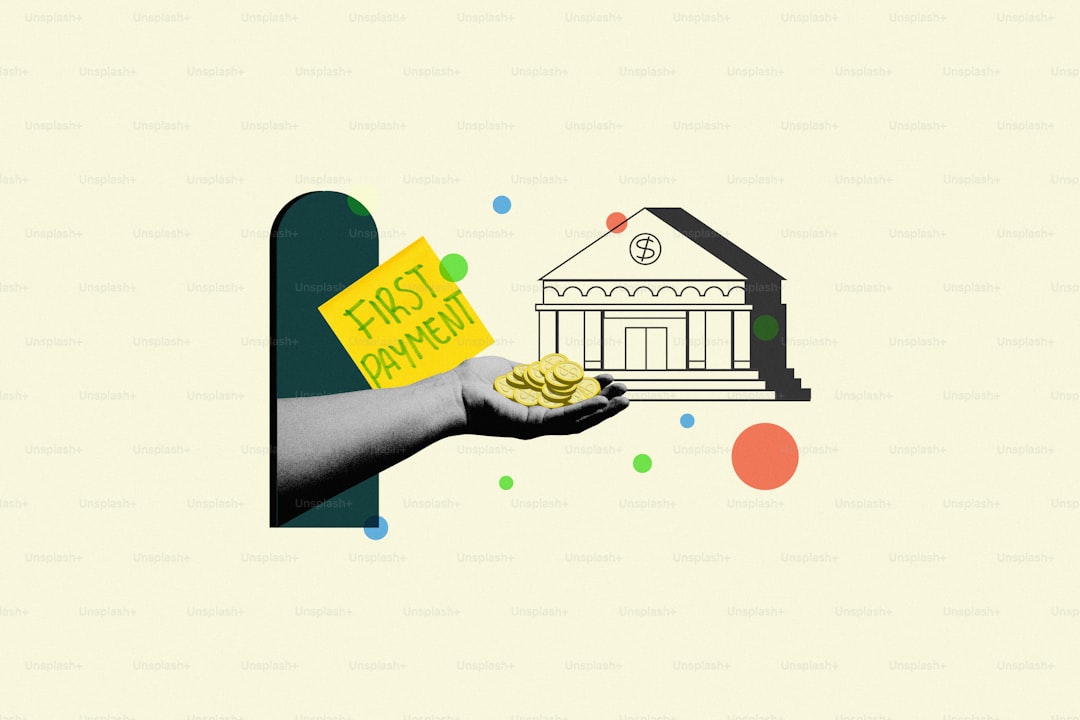
In the structured rhythm of modern life, the concept of a Personal Time Index, or PTI, serves as a metaphorical measure of one’s autonomy and freedom from financial obligations. It represents the portion of your time and mental energy that is truly your own, unencumbered by the weight of debt repayment. When considering liabilities like credit card balances, auto loans, or mortgages, the decision to pay more than the required minimum monthly payment is not merely a financial tactic; it is a profound investment directly into your future PTI, accelerating the moment when your time becomes wholly your own.
The most immediate and mathematical effect of paying more than the minimum is the significant reduction in the total interest paid over the life of the debt. Minimum payments are calculated primarily to cover accrued interest, with only a small fraction chipping away at the principal balance—the original amount borrowed. By allocating extra funds toward the principal, you effectively shrink the base upon which future interest is calculated. This creates a virtuous cycle: a lower principal leads to less interest accruing each month, which in turn allows more of your subsequent payments (even the minimum ones) to attack the principal. Over months and years, this compounding benefit can save thousands of dollars, money that is effectively reclaimed for your future self, thereby increasing your financial resources and, by extension, your future time sovereignty.
Furthermore, this practice dramatically shortens the debt’s lifespan. What might have been a thirty-year mortgage or a seven-year car loan can be condensed into a twenty-two-year or five-year commitment, respectively. Each month shaved off the repayment schedule is a month of future earnings liberated from that specific obligation. This directly translates to a tangible expansion of your PTI on the calendar. You are literally buying back blocks of your future time—months or even years—that would have been earmarked for debt service. The psychological liberation that comes with knowing your debt-free date is moving closer cannot be overstated; it reduces the background anxiety of long-term obligation, freeing up mental bandwidth and emotional energy in the present.
However, the impact on your PTI is not exclusively futuristic; it also involves a present-day trade-off. The extra money directed toward debt repayment must come from your current disposable income, meaning it is funds not spent on leisure, experiences, or short-term savings. This represents a deliberate decrease in your immediate PTI, a conscious choice to forgo some present enjoyment or flexibility. The success of this strategy hinges on balance. It requires assessing whether the future freedom purchased is worth the current sacrifice. This calculus is personal and varies with life stages, income stability, and other financial goals like building an emergency fund or saving for retirement.
Ultimately, paying more than the minimum is a powerful act of temporal reallocation. It is a decision to prioritize long-term autonomy over short-term consumption. The increased monthly payment is not an expense but a transfer—moving time from your indebted future back into your control. By aggressively reducing principal, you are not just improving a credit report or a net worth statement; you are actively redesigning the timeline of your financial life. You accelerate the journey to the point where your income is entirely yours to direct—toward investments, passions, security, or leisure. In this way, every extra dollar paid is a direct deposit into your future Personal Time Index, purchasing the most non-renewable resource of all: your own unencumbered time.