Most middle-class families have at least one credit card in their wallet. It is convenient for online purchases, emergency car repairs, and earning rewards points. But that same piece of plastic can become a fast track to debt if you do not have a clear picture of where your money goes each month. The envelope system is a simple, cash-based budgeting method that helps you stop overspending before it happens. By using physical envelopes for specific spending categories, you create a natural barrier between you and your credit card. This barrier is often all it takes to keep your balances low and your credit score healthy.
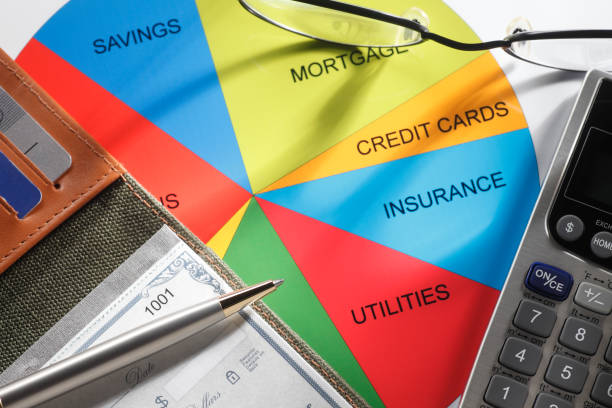
The idea behind the envelope system is older than credit cards themselves. You take your monthly income, subtract your fixed bills like rent, utilities, and loan payments, and then divide the remaining money into categories that you spend from regularly. Groceries, dining out, gas, entertainment, and personal care are common examples. For each category, you put a set amount of cash into a labeled envelope. Once the cash is gone, you stop spending in that category until the next month. No exceptions. This forces you to make conscious choices instead of swiping a card without thinking.
For the middle-class consumer, the biggest threat to good credit is not a single large purchase. It is the slow drip of small, everyday expenses that pile up on a credit card statement. You go out to dinner a few times, buy some clothes on sale, grab coffee every morning, and suddenly your balance is five hundred dollars higher than you planned. The minimum payment is easy to make, so you carry that balance. Then interest charges start rolling in. Before long, you are paying for last month’s burritos with next month’s income. The envelope system stops this cycle at the source because you cannot spend cash you do not have on hand.
Another advantage of using envelopes is that it makes your spending visible in a way that a banking app does not. When you check your phone, you see a number in an account. But when you open your grocery envelope and see only twenty dollars left for the week, the scarcity feels real. That feeling motivates you to skip the expensive cheese or cook at home rather than takeout. It also helps you build discipline. Over time, you learn exactly how much money you need for each category. You begin to spot areas where you are wasting money, which allows you to adjust your budget before your credit card ever comes out.
Some people worry that carrying cash is unsafe or outdated. But you do not need to carry all your envelopes around. You can keep a single week’s worth of cash in your wallet and leave the rest at home. If you prefer not to use physical cash at all, there are digital envelope apps that work the same way. You allocate a certain amount to each category in the app, and it tracks your spending in real time. The key is that you treat each category like a separate account that cannot borrow from another. No moving money from the gas envelope to cover a restaurant bill. This rule is what separates the envelope system from a simple budget spreadsheet.
The connection to credit management is straightforward. When you rely on cash or a debit card for daily expenses, you never charge more than you can pay immediately. Your credit card becomes a tool for larger planned purchases or true emergencies. That changes your relationship with debt. Instead of using credit to live beyond your means, you use it strategically. Your utilization ratio—the amount you owe compared to your credit limit—stays low, which helps your credit score. You also avoid late fees and interest charges, which means more of your money stays in your own pocket.
If you have never tried budgeting with envelopes, start small. Pick one or two categories that cause you the most trouble, such as dining out or entertainment. Take out cash for those items at the beginning of the month and put it in envelopes. Use only that cash for those expenses. After a few weeks, notice how your spending habits change. You will probably find yourself thinking twice before spending, simply because you have to count out physical bills. That extra second of thought is where the prevention happens. It stops the impulse that leads to a credit card swipe.
Ultimately, the envelope system is not a magic cure for every financial problem. But for middle-class consumers who want to stay out of credit card debt, it is one of the most effective tools available. It forces honesty, builds self-control, and keeps your spending aligned with your income. Most importantly, it teaches you that the best way to protect your credit is to never borrow money for things you do not truly need. That lesson, learned through the simple act of using envelopes, can save you thousands of dollars in interest and fees over a lifetime.