Your twenties are a decade of firsts: first real job, first apartment, first time paying your own bills. It is also the time when you first start hearing about credit scores. You might be tempted to ignore it all until you need a car loan or a mortgage, but that is a mistake. Building good credit in your twenties is one of the easiest financial moves you can make if you approach it the right way. The goal is not to chase a perfect number overnight. The goal is to create a solid foundation that will save you thousands of dollars in interest over the next thirty years.
The first thing to understand is that credit is simply a record of how well you borrow money and pay it back. It is not a judgment on your character. A credit score is just a number that lenders use to guess how likely you are to repay a loan. The higher the score, the lower the risk you appear to be. That trust translates into lower interest rates on everything from a car loan to a credit card. And in your twenties, every percentage point of interest you avoid is money that can go toward a down payment on a home or a retirement account.
So how do you start building credit when you have almost no borrowing history? The most common method is to get a starter credit card. This does not mean you should apply for every offer that lands in your mailbox. Instead, look for a card designed for people with limited credit, often called a secured card or a student card. A secured card requires a cash deposit that becomes your credit limit. You put down, say, two hundred dollars, and that is the most you can spend. Use the card for small, regular purchases like gas or groceries, then pay the full statement balance every month before the due date. Never carry a balance. Within six to twelve months, the card issuer will usually return your deposit and convert the card to a regular unsecured one. That is your first credit building win.
Another option is to become an authorized user on a family member’s credit card. If your parent or older sibling has a card with a long history of on-time payments, ask to be added as an authorized user. You do not even have to use the card. Simply being on the account may add the card’s full history to your credit report. This can give you an instant boost, but be careful. If the primary cardholder misses a payment or carries a high balance, it can hurt your score too. Only do this with someone you trust completely.
Beyond credit cards, you can also build credit by taking out a small personal loan and paying it back on time. Some credit unions and online lenders offer credit builder loans specifically for this purpose. You borrow a small amount, say five hundred dollars, the lender puts the money into a savings account that you cannot touch until the loan is paid off. You make fixed monthly payments for six to twelve months, and at the end the money is released to you. Each on-time payment gets reported to the credit bureaus, and you end up with a little cash saved. It is a clever way to force yourself into a positive credit habit.
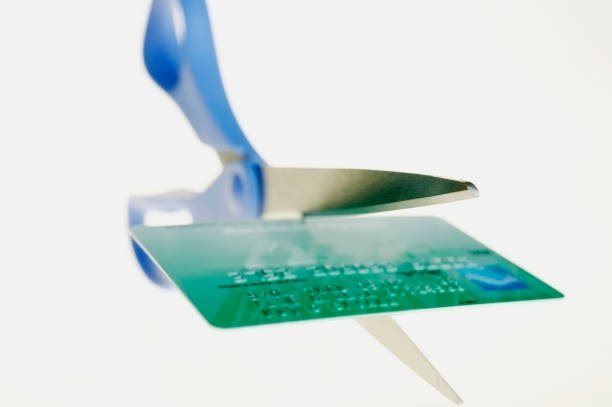
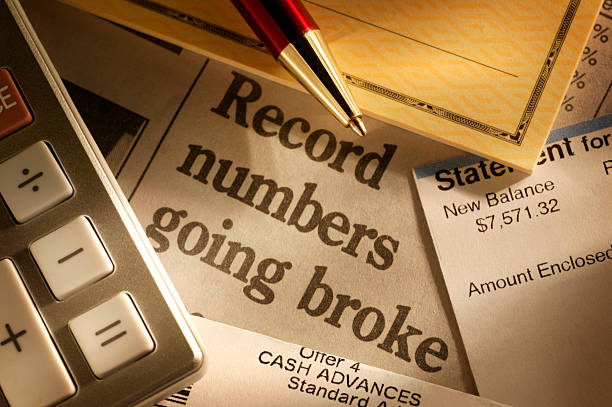
As you start building your credit, you need to watch out for a few common traps. The biggest one is the temptation to spend money you do not have. Credit cards make spending feel painless at the moment, but that feeling disappears when the bill arrives. Always treat a credit card like a debit card. Only charge what you can afford to pay off by the end of the month. If you cannot pay off the entire statement balance, you will start accruing interest at rates that often exceed twenty percent. That is how a small purchase today can turn into a much larger debt tomorrow.
Another trap is applying for too many cards at once. Each time you apply for credit, the lender checks your credit report with a hard inquiry. A single hard inquiry might lower your score by a few points for a few months, but multiple inquiries in a short period can signal to lenders that you are desperate for money. That can hurt your score and make you look risky. Space out your applications by at least six months.
You also need to keep an eye on your credit report. Everyone gets a free credit report every week from each of the three major bureaus through AnnualCreditReport.com. Check it once every few months. Look for accounts you do not recognize, late payments that are not yours, or errors in your personal information. If you find a mistake, dispute it online with the credit bureau. A simple error, like a misspelled name or an old address, will not hurt your score, but a wrongly reported missed payment can drag it down for years.
Finally, remember that building credit takes time. A high score is not something you can achieve in a month or two. The major factors that determine your score are payment history, which is about thirty five percent of the score, and length of credit history, which is about fifteen percent. The rest comes from how much you owe, what types of credit you have, and how many new accounts you have opened. If you pay every bill on time and keep your credit card balances low, your score will gradually increase. By the time you turn thirty, you will likely have a score in the seven hundreds if you stayed consistent.
Your twenties are the perfect time to build a credit foundation because you have fewer financial responsibilities than you will later. You do not have a mortgage or a family to support, so the stakes are lower if you make a mistake. But the habits you form now will stick with you. Use credit as a tool, not a crutch. Pay your bills on time, keep your balances low, and avoid borrowing more than you can repay. Do that, and your future self will thank you when you get approved for a home loan at a low rate.