Buy Now, Pay Later, or BNPL, has exploded in popularity at online checkouts. It’s the option that lets you split a $200 purchase into four interest-free payments of $50, with the first due at checkout. It feels convenient and manageable, almost like it’s not real money. But it is real money, and if you’re trying to manage your finances wisely, you need a clear plan for where BNPL fits. The key is to treat it not as free money or an extension of your income, but as a structured part of your existing budget.
First and foremost, BNPL should never be used for things you cannot afford. The most important rule is to only use it for purchases you could pay for in full today, with money you already have. Think of it as a cash flow tool, not a credit tool. If you don’t have the full amount sitting in your checking account or your “fun money” budget category, you shouldn’t be using BNPL. This mindset shift is crucial. It prevents you from financing a lifestyle beyond your means and ensures that future paychecks aren’t already spent before you even receive them.
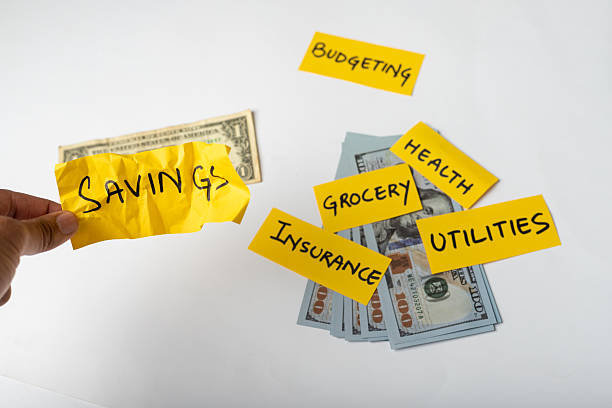
To make this work, you need to integrate BNPL into your monthly budget proactively. When you make a BNPL purchase, you are creating a future financial obligation. The moment you click “confirm,” you should immediately log those upcoming payments in your budget. If you use a budgeting app or a simple spreadsheet, create a new line item called “BNPL Payments.” Deduct the full purchase amount from your relevant spending category—like “Clothing,” “Electronics,” or “Home Goods”—right away. Then, schedule the specific payment amounts on the dates they are due. This way, the money is reserved. When the payment date arrives, you’re simply moving already-allocated money, not scrambling to cover an unexpected bill.
It’s also wise to set a personal limit on how many BNPL plans you have active at any one time. Having four different purchases from four different apps, each with their own payment schedules, is a recipe for confusion and overdraft fees. It becomes very easy to lose track of what’s due and when. A good rule of thumb is to limit yourself to one, or at most two, active plans simultaneously. This keeps your financial picture simple and prevents your discretionary cash from being overly committed to past purchases. Your budget should feel flexible, not strangled by a web of tiny debts.
Another critical consideration is how BNPL interacts with your savings goals and emergency fund. Your essential expenses—rent, groceries, utilities, insurance, and debt payments—should always be funded first. Money for your emergency fund and retirement savings should be set aside before any discretionary spending, including BNPL. Never rob your savings to make a BNPL payment. If you find yourself needing to do that, it’s a bright red flag that you’re overusing the service. Your financial safety net is far more important than a new pair of shoes or the latest gadget.
Finally, be brutally honest about what you’re financing. BNPL works best for planned, considered purchases. It can be a great way to buy a necessary item like a new appliance without draining your checking account all at once, provided you’ve budgeted for it. It is far riskier for impulse buys. The psychology of “just $25 today” can easily trick you into spending more than you intended. Ask yourself if you would still buy the item if you had to pay the full price upfront. If the answer is no, then walk away from the BNPL offer.
In essence, fitting BNPL into your budget is about control and intentionality. It requires the discipline to only spend what you have, the organization to track upcoming payments, and the self-awareness to avoid letting it encourage overspending. When used correctly, it can be a harmless convenience that smooths out your cash flow. When used poorly, it fragments your spending into a confusing pile of small debts that can undermine your financial stability. By giving every BNPL payment a home in your budget before you even buy, you harness the convenience while completely avoiding the debt trap. Your budget is your plan for your money; BNPL should be a tool that works within that plan, not a force that blows it apart.