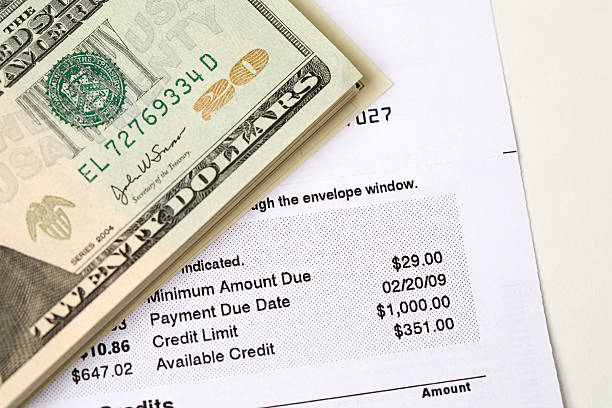
Medical debt is one of the most common ways middle-class consumers find themselves overextended. You go to the emergency room for what you think is a minor issue, and weeks later a bill for thousands of dollars shows up in your mailbox. Even with good insurance, deductibles, copays, and out-of-network providers can create a financial burden that feels impossible to handle. The good news is that medical bills are often negotiable. You do not have to simply accept the first number you see. With a little patience and the right approach, you can lower what you owe and set up a payment plan that actually works for your budget.
The first step is to get an itemized bill. When you receive a statement from a hospital or doctor’s office, it often shows a single total amount due. That number can be overwhelming, but it is not necessarily accurate. Request a detailed breakdown of every charge. Hospitals are required to provide this if you ask. Look at each line item. Are there charges for supplies you never used? Duplicate fees for the same procedure? Billing codes that do not match the care you received? Errors are surprisingly common. One study found that up to eighty percent of medical bills contain mistakes. If you spot something that seems wrong, flag it immediately and ask for a corrected bill.
Next, compare the itemized bill against your insurance company’s Explanation of Benefits. This document shows what your insurance agreed to pay and what your responsibility should be. Sometimes the provider bills you for an amount that exceeds what your insurance has already covered. You should never pay more than your insurance says you owe. If the amounts do not match, call your insurance company first. They can clarify whether the provider’s billing is correct or whether you need to dispute the charge. Keep detailed notes of every phone call, including the date, time, and the name of the person you spoke with.
Once you are confident the bill is accurate, you can start negotiating. Call the provider’s billing department directly. Do not be afraid to ask for a discount. Hospitals and clinics would rather collect something than nothing. Many have policies that allow them to reduce a bill if you offer to pay in full right away. You can start by offering seventy percent of the total amount. They might counter with eighty-five percent. Even a small reduction can make a big difference. If you cannot pay a lump sum, ask about a payment plan. Most providers will work with you to spread the payments over six months or a year without charging interest. Make sure you get the agreement in writing before you send any money.
Another option is to apply for charity care or financial assistance. Nonprofit hospitals are legally required to offer free or discounted care to patients who meet certain income guidelines. Middle-class consumers often assume they earn too much to qualify, but eligibility can be higher than you think. Many hospitals use the federal poverty level as a benchmark, sometimes offering discounts for households earning up to four times that amount. That can translate to an income of around one hundred twenty thousand dollars for a family of four. Fill out the application honestly and submit any requested documentation. If you are approved, the hospital may forgive a portion or all of your debt.
If you run into a dead end with the provider, consider hiring a medical bill advocate. These professionals specialize in reviewing bills, negotiating with hospitals, and dealing with insurance companies. They typically charge a flat fee or a percentage of the money they save you. That might sound like an extra expense, but if your bill is high, their expertise can pay for itself many times over. Before hiring anyone, check their credentials and ask for references. Some nonprofit organizations also offer free or low-cost help with medical billing issues.
Throughout this process, do not let the stress push you into ignoring the problem. Medical debt does not just disappear. It can be sent to collections, which will hurt your credit score and lead to harassing phone calls. By taking action early, you maintain more control over the outcome. You also protect your mental health. Remember that medical providers and insurance companies are businesses. They expect to be challenged. The person on the other end of the phone negotiates bills all day long. You are not being rude by asking for a discount or pointing out an error. You are simply acting in your own financial interest.
A final tip: if you have multiple medical debts, prioritize the ones that are most urgent. Urgent usually means bills that are already in collections or have a short payment deadline. Use your negotiation leverage on those first. For smaller bills, you can often set up a no-interest payment plan without much effort. The key is to stay organized. Keep a folder with all your bills, insurance documents, and correspondence. Set reminders to follow up every few weeks. Persistence pays off.
Medical debt does not have to ruin your finances or your peace of mind. With a clear strategy, you can reduce what you owe and keep your budget on track. You deserve to receive care without worrying that a single visit will push you into financial crisis. Start with the itemized bill, check for errors, negotiate honestly, and use every resource available. You will be surprised how much you can save.