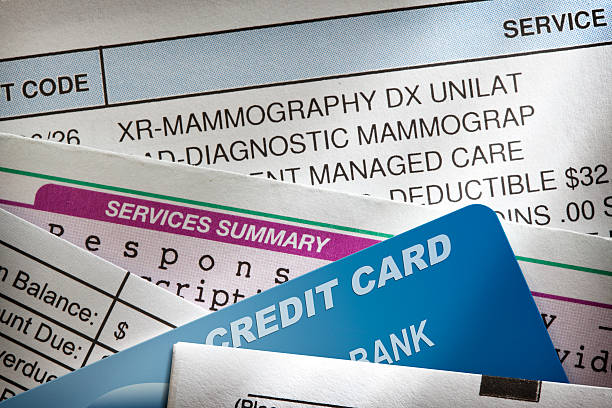
A sudden illness or injury can turn your life upside down in a matter of hours. Beyond the immediate health concerns, the financial shock of medical bills often follows, and for middle‑class consumers, that shock can send your credit score into a tailspin. The connection between a medical crisis and your credit is direct: unpaid hospital bills, ambulance charges, and specialist fees can end up on your credit report, dragging down your score and making it harder to get a loan, rent an apartment, or even land a job. Understanding how medical debt works in the credit system and taking the right steps during a health emergency can protect your financial health while you focus on your physical recovery.
The first thing to realize is that medical debt is treated differently than credit card or loan debt. Under current credit reporting rules, medical collections that have been paid by insurance or by you are removed from your credit report once they are settled. But if a bill goes unpaid for too long, the hospital or doctor’s office may send it to a collection agency. Once that collection appears on your credit report, it can stay there for up to seven years, even if you eventually pay it. The good news is that credit scoring models like FICO and VantageScore now give less weight to medical collections compared to other types of debt. Even so, any collection account can drop your score by 50 points or more, depending on your starting point.
The most effective way to prevent medical debt from hurting your credit is to avoid letting it go to collections in the first place. That means you must stay on top of your medical bills, even when you are recovering. This is easier said than done, but there are practical steps you can take right after a medical event. Start by reviewing every bill you receive. Mistakes are common: duplicate charges, incorrect insurance payments, and billing for services you did not receive happen all the time. Compare each bill with your insurance company’s Explanation of Benefits (EOB), which shows what the insurer paid and what you owe. If you see a charge that does not match, call the hospital billing department immediately. They are used to these questions and can often correct errors quickly, preventing a debt from being sent to collections.
If you do owe a legitimate amount, do not ignore it. Many hospitals and large medical providers offer financial assistance programs. Even if you have insurance, you may qualify for a discount or a payment plan based on your income and assets. Ask about “charity care” or “financial aid” before you agree to any payment arrangement. You might be surprised how flexible they can be. A payment plan that stretches over several months or even years is much better than letting the bill go unpaid. As long as you make your payments on time, the account will not be reported to the credit bureaus as a collection.
Another overlooked strategy is to use your credit card wisely. Putting a large medical bill on a credit card can be risky because the interest can pile up, but if you have a card with a 0% introductory APR or a low rate, it can give you time to pay off the bill without damaging your credit. Just make sure you have a realistic plan to pay off the balance before the promotional period ends. Alternatively, consider a personal loan from a credit union or a reputable online lender. These loans often have lower interest rates than credit cards, and the monthly payment is fixed, making it easier to budget.
What if the bill has already gone to collections? Do not panic. You still have options. First, request written verification of the debt. Collection agencies are required by law to provide this. If they cannot prove you owe the money, you can dispute the debt with the credit bureaus. Even if the debt is valid, you can negotiate a “pay‑for‑delete” agreement. In this arrangement, you agree to pay the full amount or a settlement amount in exchange for the collection agency removing the account from your credit report. Get this agreement in writing before you send a single dollar. Keep in mind that not all collection agencies will agree to pay‑for‑delete, but many will. If they refuse, paying the debt will at least update the account to “paid collection,” which is better than an unpaid collection, but it will still remain on your credit report for seven years from the original delinquency date.
During a medical crisis, it is also smart to freeze your credit reports. This keeps anyone from opening new accounts in your name while you are distracted. You can freeze and unfreeze your reports for free with the three major bureaus: Equifax, Experian, and TransUnion. Do this as soon as you know you will be hospitalized or dealing with a serious illness.
Finally, consider enrolling in a credit monitoring service. Many are free, and they will alert you when any new account or collection appears on your report. Early detection gives you a chance to dispute errors or negotiate before the damage becomes permanent.
A medical crisis does not have to lead to a financial disaster. By staying organized, communicating with providers, and understanding the rules around medical debt, you can keep your credit score intact while you focus on what really matters: your health. The key is to act quickly, ask for help, and always read the fine print before you agree to any payment plan. Your credit is a tool that helps you build a stable life. Protect it, even when life throws you a curveball.