Credit tools can feel like something only financial experts use. In reality, they are simple helpers that can keep you out of trouble. The most useful ones are account alerts and credit monitoring. They send you a message when something changes. That gives you time to act before a small problem becomes a big one. If you are a regular person with a job, a car payment, and a few credit cards, these tools can help you avoid late fees, spot fraud, and keep your credit score healthy.
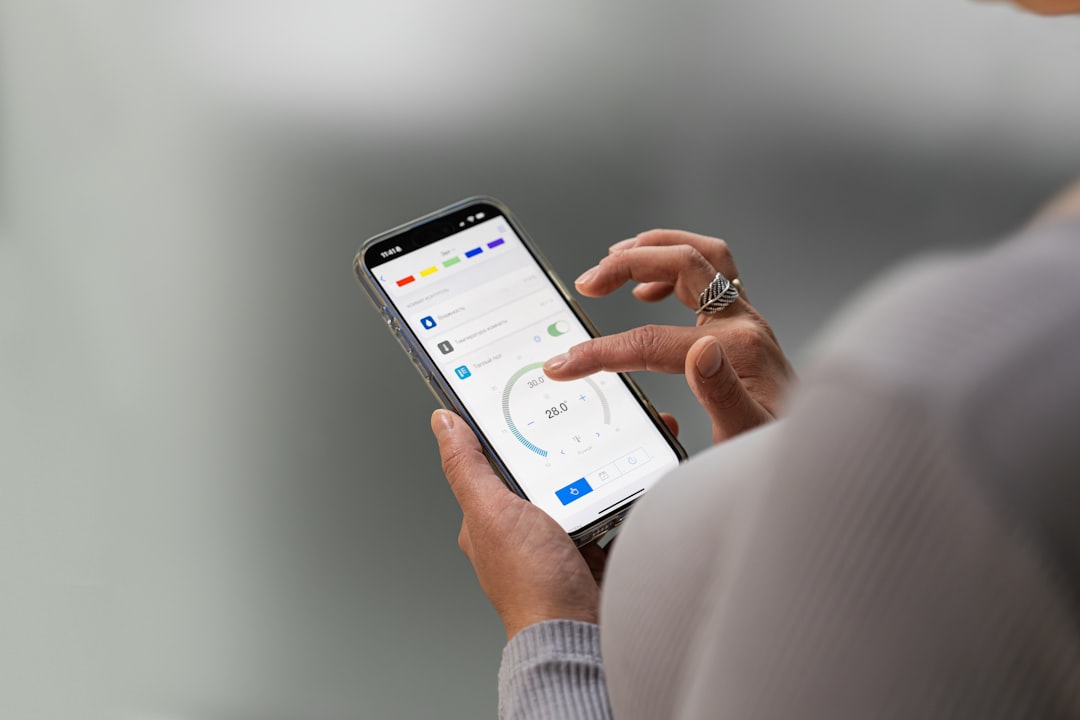
Start with the alerts your bank and credit card companies already offer. Most banks let you choose what you want to be told about. You can get a text or email when a purchase is made, when a bill is due, when a payment posts, or when your balance goes above a certain amount. These alerts are free, and you can set them in the bank’s app or website. If you have ever forgotten a due date, set a reminder for five days before the due date. Then set another one for the day before. That way you have time to move money or fix a problem. If you are trying to spend less, set an alert for any transaction over twenty dollars. It sounds small, but it makes you notice every purchase.
Credit monitoring is the next tool to consider. Many banks and credit card companies offer free credit scores and reports. You can also use free services that show your credit report and send alerts when something changes. These alerts might tell you that a new account was opened, that someone checked your credit, or that your address changed. Some of these changes are normal. If you applied for a loan, a credit check is expected. But if you did not apply for anything, that alert is a warning sign. You should check your credit report and contact the company or credit bureau right away.
You do not need to pay for expensive credit monitoring if free tools give you what you need. The three major credit bureaus let you get a free credit report every week from the official free credit report website. You can also use free apps to see your score and report. A paid service might offer more identity theft insurance, but for most middle-class consumers, free alerts plus careful review are enough. The key is to actually look at the alerts. Do not let them pile up unread. Set a weekly reminder on your phone to check your accounts. It takes five minutes.
When you get an alert, do not panic. Read it carefully. If it is a purchase you made, you can ignore it. If it is a purchase you did not make, call your bank immediately. The number is on the back of your card. If it is a new account you did not open, you can dispute it with the credit bureau. You can also ask the bank to freeze or lock your credit. That stops new accounts from being opened in your name. It is usually free and can be undone when you need to apply for credit.
Alerts can also help you improve your credit score. One big factor in your score is how much you owe compared to your credit limits. If you have a five thousand dollar limit and you owe three thousand, that is high. You can set an alert for when your balance goes over one thousand dollars. That gives you a chance to pay it down before the statement closes. Paying before the statement closing date can lower the balance that gets reported to the credit bureaus. You do not need to carry a balance to build credit. In fact, paying in full each month is best.
Finally, remember that credit tools are only helpers. They do not replace good habits. You still need to review your statements, keep your passwords strong, and use two-factor authentication when it is available. Be careful with emails or texts that look like alerts but ask you to click a link. Always go directly to your bank’s app or website. Scammers use fear to make you act fast. A real alert will not ask for your password or full card number.
If you set a few important alerts today, you can stop worrying so much. You will know when a bill is due, when a payment posts, and when something strange happens. You will catch mistakes before they hurt your credit. You will keep your balances in check. That is what managing credit looks like for most people. It is not about being rich or perfect. It is about using simple tools and paying attention.