When a monthly electric bill is $150 and money is tight, it can feel reasonable to push it to next month. The same goes for a water bill, internet service, or trash pickup. These charges are small compared with a mortgage or car payment, and they often arrive without much drama. That is exactly why utility and service debt can sneak up on middle-class households. A single missed payment does not usually feel like a crisis. But several small missed payments can turn into a larger problem faster than many people expect.
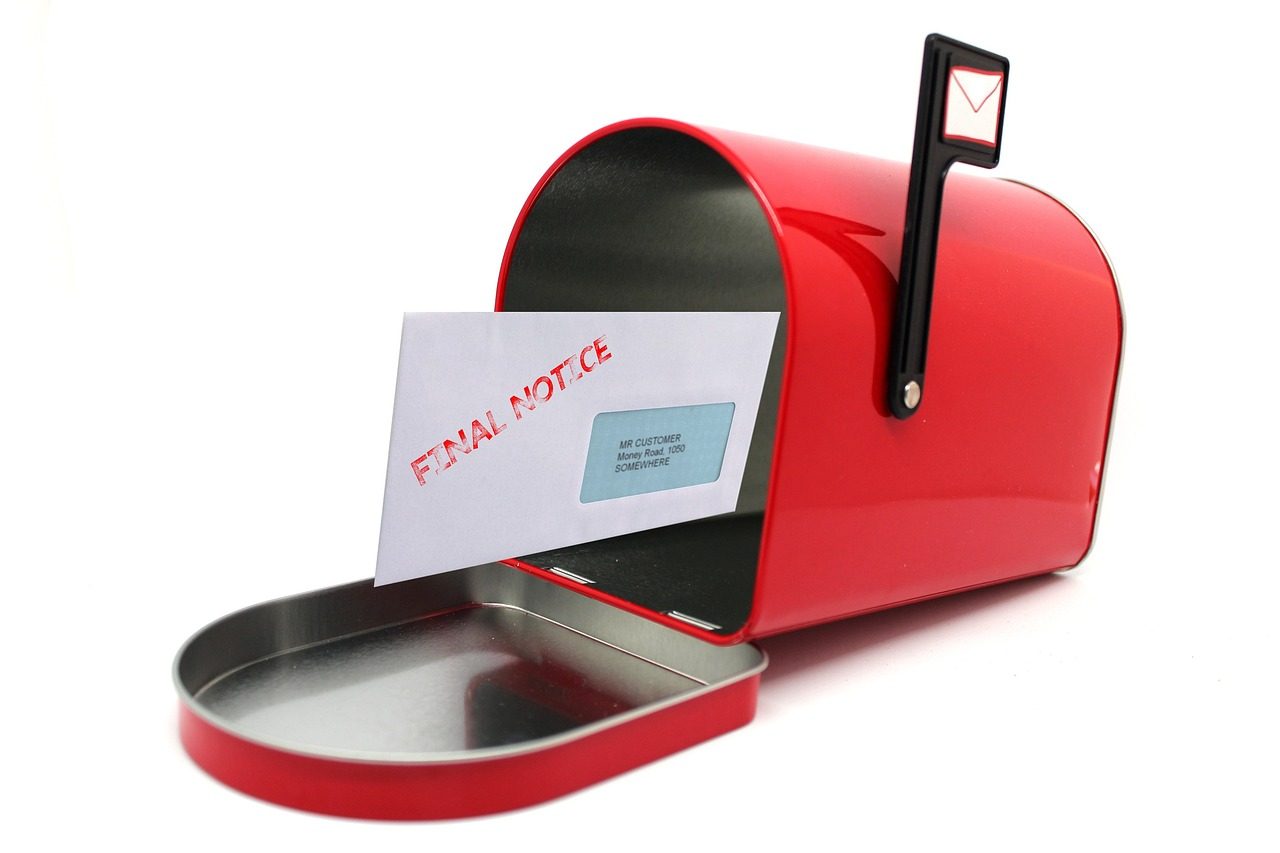
Utility and service debt is different from credit card debt in one important way. You are not borrowing money to buy something you can return. You are paying for something you already used: electricity, water, heat, internet, phone service, or waste removal. The service provider expects payment for that use. When you fall behind, the company has a few ways to get its money. It can charge late fees, require a deposit, shut off service, or send the account to collections. Each step adds pressure and cost.
The snowball starts with late fees. A $120 bill with a $20 late fee is now $140. If you pay only part of it, the remaining balance may carry another fee the next month. Some utility companies also charge reconnect fees if service is shut off and then restored. A family that misses two months of electric bills might owe the original charges plus late fees plus a deposit to turn the power back on. That total can be much larger than the amount that first went unpaid. The longer the balance sits, the more the fees pile up.
There is also the risk to your credit. Many utility companies do not report every on-time payment to the major credit bureaus. Some do not report late payments until the account is turned over to a collection agency. That can make utility debt feel invisible, as if it does not matter. But it does. Once an unpaid utility account goes to collections, it can appear on your credit report and lower your score. A lower score can make it harder to rent an apartment, buy a car with a good loan, or get a new credit card. Even if the original bill was small, the collection account can follow you for years.
Service shutoff is another serious step. Losing electricity or water is not just inconvenient. It can affect health, safety, and your ability to work from home. In many places, shutoff rules protect customers during extreme weather or when someone in the home has a medical condition. Those rules vary, and they do not erase the debt. They only delay collection. Relying on temporary protections without a payment plan can make the final bill even harder to manage.
The best way to stop the snowball is to deal with the first missed bill quickly. Contact the utility company before the due date if you know you cannot pay in full. Ask about a payment plan, a due date change, or financial assistance programs. Many providers would rather set up a plan than shut off service. If you already have a past-due balance, ask for the exact total, including fees, and get the plan in writing. Then treat that payment like a fixed bill, not an extra. Paying a little every month on time can keep the account out of collections and protect your credit.
Budgeting for utilities also helps. Look at your last twelve months of bills and find the highest month. Set aside a small amount each month so winter heating or summer cooling does not create a surprise. Small choices, like adjusting the thermostat a few degrees or bundling internet and phone service, can lower the monthly charge. The goal is not to eliminate every bill. It is to keep the bill from becoming a debt that grows on its own.
Utility and service debt rarely feels urgent at first. That is what makes it dangerous. A missed bill here and a late fee there can add up to a balance that is hard to escape. By acting early, asking for a plan, and watching the small monthly charges, middle-class consumers can keep a temporary cash-flow problem from turning into a long-term credit problem.