An income shock is exactly what it sounds like: a sudden, unexpected drop in the money you bring home each month. It could come from losing a job, getting your hours cut, taking a temporary leave without pay, or dealing with a serious illness that keeps you out of work. For middle-class families who live paycheck to paycheck even on good days, this kind of financial jolt can feel like a wrecking ball. And one of the first things to get hurt is your credit score. That hit is not just a number. It can mean higher interest rates on car loans, trouble renting an apartment, or even a rejected application for a credit card you thought you were sure to get. The good news is that an income shock does not have to permanently wreck your credit. If you understand how your score works and act quickly, you can keep the damage contained.
The most direct way an income shock hurts your credit is by making it harder to pay your bills on time. Your payment history makes up about 35 percent of your credit score, which is the biggest single factor. When you suddenly have less money coming in, the mortgage, the car payment, the student loans, and the credit card bills all still show up. Missing a payment by even one day can result in a late mark that stays on your credit report for seven years. The irony is that many middle-class consumers have good credit precisely because they have always paid on time. One bad month can undo years of careful behavior. That is why the first rule of surviving an income shock is to prioritize your payments. You cannot pay everything, so you need to know which bills matter most. A mortgage or rent payment is usually the highest priority because losing your home creates even bigger problems. Next come car payments and student loans. Credit cards are actually the most flexible, because you can pay the minimum without damaging your score, as long as you pay on time.
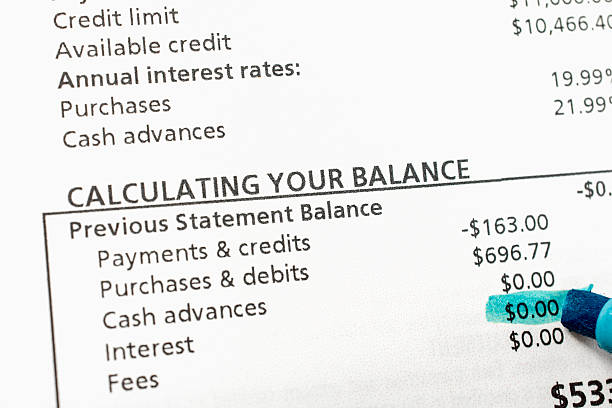
Another way income shock hurts your credit is through high credit utilization. This is the ratio of how much you owe on your credit cards compared to your total credit limits. It makes up about 30 percent of your score. When your income drops, you might start using your cards to cover groceries, gas, and other everyday expenses you used to pay with cash. Suddenly, your balances climb from 20 percent of your limit to 60 or 70 percent. Lenders see that as a sign that you are overstretched, and your score drops accordingly. To protect yourself, you need to avoid using your cards for essential living costs if at all possible. That sounds hard, so remember that a temporary hit from higher utilization is better than a permanent hit from missed payments. But you can also call your credit card companies before you run into trouble. Many will temporarily raise your credit limit or offer a hardship plan with a lower interest rate. That can give you more breathing room while you get back on your feet.
The most important thing to know about income shock is that you do not have to face it silently. Late payments are often reported to the credit bureaus after thirty days. If you think you are going to be late, call your creditors ahead of time and ask for forbearance, deferment, or a modified payment plan. Mortgage lenders have programs for people who have lost their jobs or seen their hours reduced. Student loan servicers offer income-driven repayment plans that lower your monthly payment based on what you actually earn. Credit card issuers have hardship programs that can waive fees and freeze your account. None of these options will hurt your credit score if you make the arrangements before you go delinquent. In many cases, the lender will report the account as current, which means your payment history stays clean. The key is being proactive instead of waiting until you are already thirty days late.
An income shock also exposes how fragile your credit is when you have no emergency savings. The ideal is to have three to six months of living expenses saved up. But for many middle-class families, that goal feels impossible. Even a small emergency fund of one thousand dollars can cover a few essential bills and keep you from missing a payment. If you are going through an income shock right now, do not panic about not having saved enough. Instead, focus on the next few weeks. Cut every nonessential expense, from streaming subscriptions to eating out. Use that money to keep your most important bills current. Once you get through the shock and your income returns to normal, build that safety net. Start small. Even twenty-five dollars a week adds up to over a thousand dollars in a year. The peace of mind that gives you is directly tied to the protection of your credit score.
Finally, watch out for scams and desperate moves. When money is tight, you might be tempted by offers to “fix your credit” for a fee, or to take out a payday loan with a sky-high interest rate. These almost always make your situation worse. Payday loans can trap you in a cycle of debt that ruins your credit and drains your income. Credit repair companies often promise results they cannot deliver, because the credit bureaus will not remove accurate late payments. The only legitimate way to rebuild your credit after an income shock is time and consistent payments. As the shock fades and you get back to normal, your score will rebound. It might take a few months, but it will happen if you stay current on your bills and keep your card balances low.
An income shock is a serious challenge, but it does not define your financial life. By prioritizing your payments, talking to your lenders, and avoiding desperate moves, you can protect your credit score and come out the other side with your financial reputation intact. Your credit is not built in a day, and it does not have to be destroyed in one either.