When financial hardship strikes, the overwhelming pressure of bills and obligations can make it difficult to know where to turn. The search for legitimate help with hardship programs is often clouded by anxiety and the fear of scams, which prey on vulnerability. However, trustworthy assistance is available through a network of established institutions, non-profit organizations, and government agencies designed specifically to provide a lifeline during difficult times. Knowing where to look is the first critical step toward regaining financial stability.
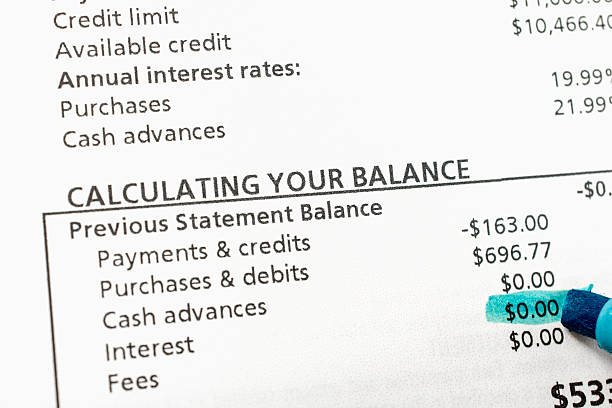
The most direct and often most effective source for hardship programs is your creditors and service providers themselves. Legitimate lenders, including credit card companies, mortgage servic, auto loan providers, and student loan servicers, almost universally have dedicated hardship departments. Initiating contact proactively is key. By calling the customer service number on your statement and explicitly asking for their “hardship” or “assistance” programs, you can explore options such as temporary payment reductions, interest rate modifications, forbearance, or loan modification plans. These are formal programs, not informal handouts, and they require documentation of your hardship, such as a job loss notice or medical bills. The legitimacy here is inherent, as you are dealing directly with the entity to which you owe money.
For essential utilities like electricity, gas, water, and telecommunications, similar direct hardship programs exist. Utility companies are often regulated by state public utility commissions, which mandate they offer assistance to low-income or crisis-affected customers. These programs may include budget billing, deferred payment plans, or grants to cover arrears. Furthermore, the federal government administers the Low Income Home Energy Assistance Program (LIHEAP), a cornerstone of legitimate aid. LIHEAP provides block grants to states and territories to help manage heating and cooling costs. Application is typically handled through local community action agencies or non-profit organizations, which serve as vital access points to this and other forms of aid.
These non-profit credit counseling agencies are another pillar of legitimate support. Organizations approved by the National Foundation for Credit Counseling (NFCC) or the Financial Counseling Association of America (FCAA) adhere to strict standards and provide free or low-cost consultations. A certified counselor can review your entire financial situation, help you create a budget, and may recommend a Debt Management Plan (DMP). A DMP is a structured repayment program where the agency negotiates with your creditors on your behalf, often securing reduced interest rates and waiving fees. It is crucial to distinguish these reputable non-profits from for-profit debt settlement companies, which often charge high fees and can severely damage your credit.
Government resources at the federal, state, and local levels provide a foundational layer of legitimate assistance. Beyond LIHEAP, agencies like the Consumer Financial Protection Bureau (CFPB) maintain tools and guides to help consumers understand their rights and navigate hardship options with various types of debt. For housing insecurity, the U.S. Department of Housing and Urban Development (HUD) funds housing counseling agencies nationwide that can provide advice on avoiding foreclosure and accessing rental assistance programs. On a local level, county social services departments, community action agencies, and United Way chapters (which can be accessed by dialing 211 in many areas) are invaluable hubs. They can connect individuals to a mosaic of local resources, including food assistance, emergency financial aid for rent or prescriptions, and employment services.
In conclusion, legitimate help for financial hardship is not found in the shadowy corners of the internet promising instant debt forgiveness, but through transparent, established channels. The path begins with direct communication with your creditors and extends to federally-backed utility assistance, non-profit credit counseling, and government-supported social services. While seeking help requires courage and diligence, these resources exist precisely to offer a structured, reputable pathway out of financial distress. By focusing on these verified sources, individuals can find the support they need to navigate their hardship with dignity and move toward a more secure financial future.