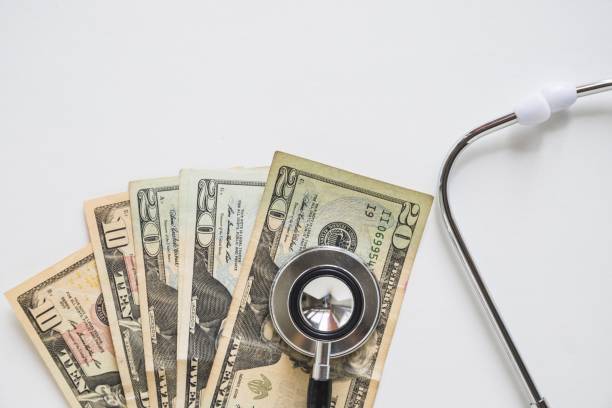
A medical emergency can turn your life upside down in a matter of hours. One minute you are dealing with a broken arm or a scary diagnosis, and the next you are staring at a pile of hospital bills that seem large enough to buy a car. For middle-class families, this is a familiar nightmare. You have insurance, but copays, deductibles, and out-of-network surprises still add up quickly. And if you cannot pay those bills right away, the damage can spread to your credit score just as fast as the illness itself.
Medical debt is unlike other kinds of debt. You did not plan for it, and you did not make a choice to overspend. Yet the credit reporting system treats it much like a missed payment on a credit card. When a medical bill goes unpaid for a certain period, the hospital or doctor’s office can sell the debt to a collection agency. That collection account then shows up on your credit report and pulls down your score. A lower score means higher interest rates on future loans, trouble renting an apartment, and even difficulty getting a job in some cases. So a health crisis can become a financial crisis if you are not careful.
The good news is that you have more control than you think. The first thing to do after receiving any medical bill is to stop and review it carefully. Mistakes are common. You might be charged for a test you never had, or for a room you never stayed in. The billing codes get mixed up, or the insurance company processed the claim incorrectly. Do not assume the bill is right just because it looks official. Call the billing department and ask for an itemized statement. Go through every line. If you see something you do not understand, ask them to explain it. Many times, errors can be corrected and the amount you owe goes down significantly.
Next, before you pay anything, talk to the hospital or clinic directly. Explain your situation honestly. Most medical providers are willing to work with you because they would rather receive something than nothing. Ask if they offer financial assistance or charity care. Many non-profit hospitals have programs that reduce or even forgive bills for families with income below certain levels. You might qualify even if you think your income is too high. It does not hurt to ask. Also, ask about a payment plan. You can often stretch out payments over many months or even years without any interest. As long as you make the payments on time, the account is considered current and will not be sent to collections.
If the bill has already gone to a collection agency, you still have options. First, verify that the debt is actually yours and that the amount is correct. Collection agencies have a poor record for accuracy. Send them a written request asking for proof of the debt. If they cannot provide it, they must remove the account from your credit report. If the debt is valid, you can negotiate. Offer to settle for less than the full amount. Many agencies buy debt for pennies on the dollar, so they are happy to accept a partial payment. Before you make any payment, agree in writing that they will delete the collection account from your credit report. Get that promise in writing first, or you might end up paying and still seeing the negative mark sit there.
One important change in recent years is that credit scoring companies now treat medical debt differently than other collections. Under newer scoring models like FICO 9 and VantageScore 3.0, paid medical collections do not hurt your score. Unpaid medical collections that are less than $500 are also ignored. Even if you have larger unpaid medical collections, they still matter, but the system is less harsh than it used to be. However, many lenders still use older scoring models, so do not rely on these changes alone. Your best move is always to prevent the account from going to collections in the first place.
When facing a medical crisis, your focus should be on your recovery, not on paperwork. But taking a few hours to manage the bills can save your credit for years to come. Start by reviewing every bill for errors, then call the provider to arrange a payment plan or ask for assistance. If a collection account appears, challenge it and negotiate a settlement that includes removal from your report. Keep your other bills, like rent and credit cards, on time, because a medical setback does not excuse other late payments. And if you have a health savings account or flexible spending account, use those funds to pay medical expenses because they are tax-free and can ease the burden.
In the end, a medical crisis does not have to ruin your financial life. With a calm approach and a few strategic phone calls, you can protect your credit and focus on what matters most: getting healthy. Remember that the people you are talking to have dealt with thousands of patients in similar situations. They expect these questions. You are not asking for a favor. You are simply using the same tools that anyone should use when unexpected bills arrive. So take a deep breath, pick up the phone, and start the conversation. Your credit score will thank you later.