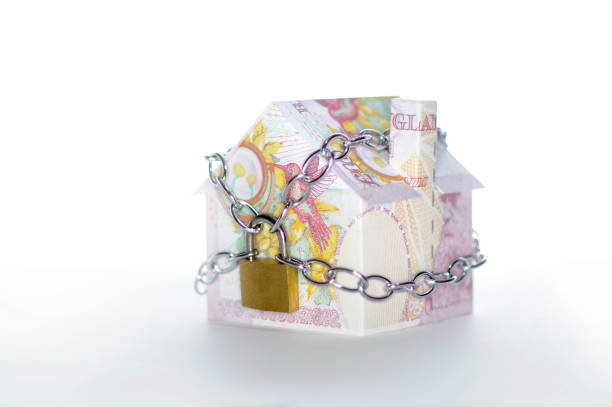
Finding yourself overextended on a secured loan is an immensely stressful situation, where the weight of the debt is compounded by the fear of losing a vital asset, such as your home or vehicle. A secured loan is tethered directly to this collateral, meaning the lender has a legal right to seize it if you default. While the path is challenging, it is not without potential exits. The strategy you choose must be approached with careful consideration, professional advice, and a clear-eyed assessment of your financial reality. The goal is not merely to escape the loan, but to find a sustainable solution that minimizes long-term damage to your finances and credit.
The first and most critical step is to initiate a direct and honest conversation with your lender. Lenders are not typically in the asset-repossession business; the process is costly and time-consuming for them as well. Therefore, they often have established hardship programs for borrowers in distress. You may be able to negotiate a temporary forbearance, which pauses payments for a short period, or a loan modification that could extend the loan term to lower monthly payments. Providing a clear picture of your financial hardship and a proposed plan can make a lender more amenable to working with you. Ignoring statements and calls, however, guarantees a swift move toward repossession or foreclosure, closing the door on cooperative solutions.
If restructuring the existing loan is not feasible, you might consider a voluntary surrender of the collateral. This involves contacting the lender and arranging to hand back the asset, such as a car. While this will still negatively impact your credit score and you will likely be responsible for any deficiency balance—the difference between the loan amount and what the lender sells the asset for—it is often viewed more favorably than a full repossession. It demonstrates a degree of responsibility and can sometimes lead to slightly better terms on the remaining debt. For a home, a similar process is a short sale, where the lender agrees to let you sell the property for less than the mortgage balance, often forgiving the remainder. Both options require lender approval and have significant credit implications, but they can avert the deeper trauma and credit damage of a forced seizure.
In cases of severe, unmanageable debt, legal avenues may provide a structured path out. Chapter 13 bankruptcy, for instance, allows you to create a court-approved repayment plan spanning three to five years, which can include modifying the terms of your secured debt, potentially even reducing the principal balance on certain non-mortgage loans to the asset’s current value. Crucially, it can stop foreclosure or repossession, giving you breathing room to catch up. Chapter 7 bankruptcy, known as liquidation, may discharge your obligation to repay the loan entirely, but you will almost certainly lose the collateral in the process. Bankruptcy is a profound step with a lasting impact on your credit report and should only be pursued after exhaustive consultation with a qualified bankruptcy attorney.
Ultimately, escaping an overextended secured loan is rarely a simple act of walking away unscathed. It is a process of damage mitigation and strategic decision-making. The cornerstone of any approach is a thorough review of your entire financial picture, ideally with the guidance of a non-profit credit counselor. These professionals can help you create a budget, explore all available options, and negotiate with creditors on your behalf. Remember, the secured asset is at stake, making proactive and informed action paramount. By facing the situation head-on, seeking expert advice, and understanding the trade-offs of each potential solution, you can navigate this difficult terrain toward a more stable financial future, even if it means making the hard choice to let go of the asset to free yourself from an unsustainable burden.