Many middle-class consumers have decent incomes but live without a financial cushion. They can handle routine bills, but not surprises. A car repair, a medical bill, or a broken furnace can easily cost $1,000 or more. When no savings exist, the only ready source of money is often a credit card. That choice marks the start of a long and costly relationship with debt.
The problem begins with interest. Credit card annual percentage rates often exceed 20 percent. If you put a $1,200 emergency expense on a card and make only minimum payments, the total you repay grows significantly over time. Interest compounds monthly. The stress of the original emergency fades, but the monthly interest charge stays. That charge takes real money from every paycheck and makes it harder to save for the next unexpected event.
Credit scores react badly to this situation. When you carry a high balance relative to your credit limit, your utilization ratio climbs. For instance, a $2,500 charge on a $5,000 limit gives you 50 percent utilization. Most scoring models want to see that number below 30 percent. A sudden spike can lower your score by 50 points or more, even if you pay on time. A lower score means higher interest rates on future loans and sometimes harder approval for apartments or jobs.
Missing a payment is an even greater risk. After using your card for an emergency, you still owe rent, utilities, and other bills. The additional minimum payment can push your budget over the edge. A single late payment stays on your credit report for seven years. It also causes your card issuer to raise your interest rate, which is called a penalty rate. This makes the remaining debt even harder to pay off and reinforces the cycle.
The cycle repeats because you never build a cushion. You pay off the emergency charge, but your income has been going to debt. With no savings, the next car problem or health bill sends you back to the credit card. Each round leaves you deeper in debt. Some people then try payday loans, which carry fees equal to 300 percent or more in annual terms. Others take cash advances, which start charging interest immediately. Every option keeps you chained to borrowing.
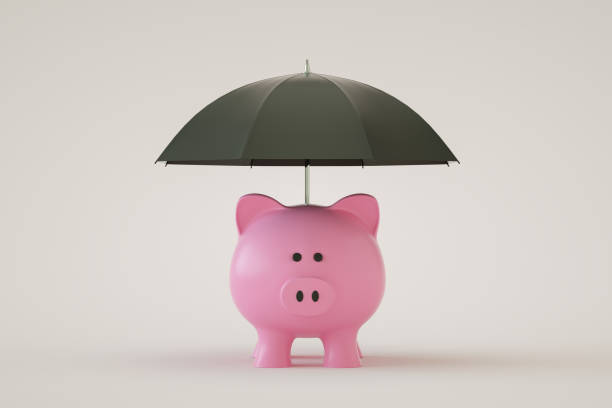
An emergency fund breaks this pattern in the simplest way. You do not need three months of expenses right away. Start with $500 or $1,000. That amount covers many small emergencies like a tow truck, a plumbing fix, or a prescription. Instead of pulling out the credit card, you write a check or transfer cash. You owe nothing to a bank. Your credit utilization stays low. Your score remains healthy. Then, once you handle the emergency, you can refill your savings without a huge debt payment slowing you down.
To build this fund, make it automatic. Have a small amount, say $25 or $50, transferred to savings every week. Cut back on dining out or streaming services for a few months. Sell things you no longer use. Treating the emergency fund as the foundation of credit management means you delay other financial goals until you have this money set aside. Once the cushion exists, you can use credit cards for convenience, not survival, and pay them off every month.
Without an emergency fund, your credit card becomes your default safety net. That net charges high fees and damages your credit. With even a modest savings account, you handle surprises without borrowing. The lack of savings is the real culprit behind much middle-class credit card debt. Building a small emergency fund is the single most important step you can take to manage credit and avoid a downward spiral. A modest emergency fund is not a luxury but a necessity.