As you move through your 50s and beyond, retirement stops being a distant idea and becomes a plan with dates, numbers, and choices. That is why debt deserves fresh attention. A mortgage, car loan, credit card balance, or home equity line that felt manageable in your 40s can become a threat when income is fixed or a layoff hits. The goal is not to live without credit. The goal is to keep debt from taking money that you will need for housing, health care, and daily life after you stop working.
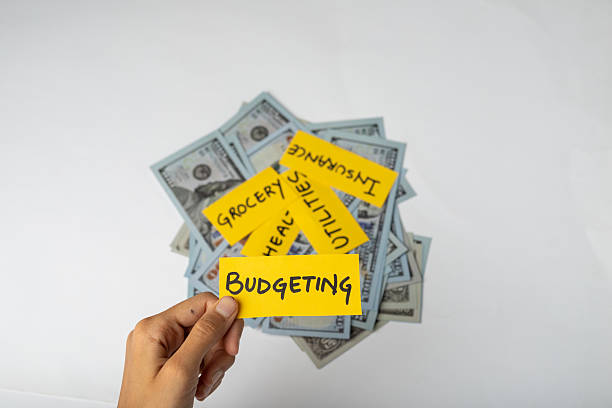
Start by seeing the whole picture. Many people carry debt in separate places and judge each payment on its own. A better approach is to add up every required monthly payment, including minimum credit card payments, and compare that total with the money coming in. If the payments use a large share of your income, you are overextended. The exact share matters less than the trend. If one missed paycheck or a car repair would push you to use credit for groceries, your budget has too little room. In your 50s, that warning should lead to action because you still have time to adjust.
Protect retirement accounts first. It is tempting to borrow from a 401(k) or take money from an IRA to pay off a credit card. That move often trades one problem for a larger one. You may owe taxes and penalties, lose investment growth, and weaken the savings that must last for decades. If you are still working, focus on keeping at least the employer match if you have one, but do not raid retirement money to support a lifestyle that your regular income cannot cover. A debt payment is temporary. Retirement savings may need to last thirty years or more.
Housing costs deserve special care. Many people in their 50s own a home with equity and feel pressure to use it. A cash-out refinance or home equity loan can lower a credit card payment, but it also turns debt not tied to your home into debt tied to your home. If something goes wrong, you could lose the house. That risk is serious at any age and even more serious when you are close to retirement. If you use home equity, do it for a clear need, with a plan to repay it before retirement, and with a realistic understanding of the monthly payment.
Health care is another pressure point. Medical bills can arrive quickly and without warning. Before using retirement savings to pay a large bill, ask for an itemized statement, check whether insurance should cover more, and request a payment plan. Hospitals and clinics often have options that are not advertised. Do not put medical debt on a high-interest card without exploring those choices. Ask for help before a bill goes to collections, since early conversations often create more room to negotiate. At the same time, keep health insurance in place. Skipping coverage to free up money for debt is a gamble that can wipe out savings in one emergency.
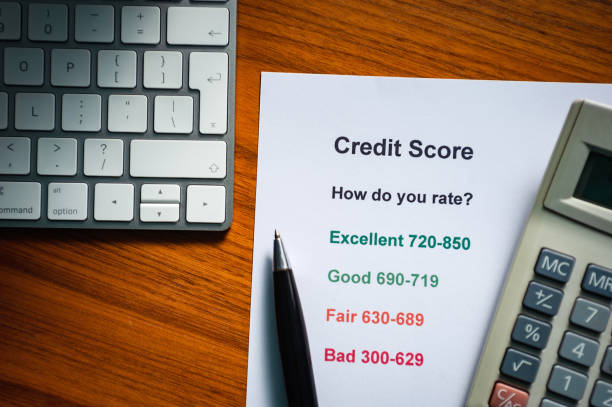
Create a payoff order that protects your future. Cover essential expenses first, including housing, utilities, food, insurance, and minimum debt payments. Then direct extra money to the debt with the highest interest rate, unless a smaller balance can be cleared quickly for a psychological boost. Avoid opening new credit to move balances around unless you understand the fees and the date when a low rate ends. Closing old accounts can also hurt your credit score, so make changes slowly.
Finally, build a cash cushion while paying debt. A small emergency fund can keep a flat tire or a broken appliance from becoming new credit card debt. Even a few hundred dollars matters. If you are still saving for retirement, increase contributions only after you have a basic safety net and a clear debt plan. If you are already retired, consider a part-time job or lower expenses to avoid borrowing. Talk with a nonprofit credit counselor or a fee-only financial planner if the numbers feel unmanageable. The point is to act while you can still protect the savings that will support the rest of your life. Review the plan every six months, because interest rates, income, and medical costs can change; a short review can catch a payment that has grown too large before it damages your retirement plan.