You have probably felt that instant excitement when you see something you want online or in a store. Maybe it is a new gadget, a pair of shoes on sale, or a subscription service that looks useful. Your brain releases a small burst of dopamine, and before you know it, your credit card is out and the purchase is made. That split-second decision can feel great in the moment, but it often leads to regret later. More importantly, it can quietly damage your credit health over time. That is where the 48-hour rule comes in. It is a straightforward, no-nonsense strategy that helps you pause before spending, giving you time to think clearly and protect your credit score.
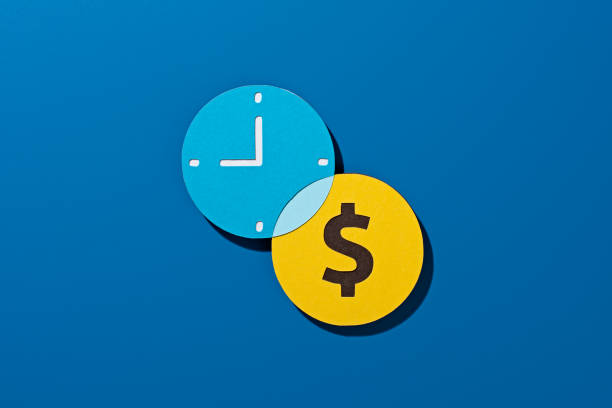
The concept is simple. Whenever you feel the urge to buy something that is not a true necessity, wait forty-eight hours before making the purchase. During that waiting period, you do not have to tell yourself no forever. You just have to tell yourself not right now. This small delay forces your brain to move from impulse to logic. The excitement fades, and you can evaluate the purchase with a clear mind. Do you really need this item? Can you afford it without using credit you cannot pay off in full? How will this purchase affect your monthly budget and your credit utilization ratio? These questions often go unasked when you buy on a whim, but the waiting period makes them nearly impossible to ignore.
For middle-class consumers, credit management often hinges on two main factors: payment history and credit utilization. Payment history is simply whether you pay your bills on time. Impulse purchases that you put on a credit card can lead to larger balances, which then make it harder to pay off the full statement balance each month. When you carry a balance, you risk missing a payment if unexpected expenses pop up. Even one late payment can drop your credit score by a significant amount. The 48-hour rule helps prevent this chain of events because it reduces the total number of unnecessary purchases you make. Fewer purchases mean smaller balances, and smaller balances are easier to pay off completely.
Credit utilization is the second big piece of the puzzle. This is the amount of credit you are using compared to your total available credit. Experts generally recommend keeping your utilization below thirty percent. Every time you make an impulse purchase on a credit card, you push that percentage higher. A $50 pair of shoes might not seem like much, but if your credit limit is low, that small amount can push you over the thirty percent threshold. And if you do this multiple times a month, your utilization can spike, which tells credit scoring models that you are relying too heavily on borrowed money. The 48-hour rule gives you a moment to consider whether that purchase is worth hurting your credit score. Often, you will realize it is not.
Another benefit of the 48-hour rule is that it helps you separate wants from needs. In the heat of the moment, everything feels like a need. That jacket looks perfect, and you convince yourself you will wear it every day. But after two days of thinking, you might remember that you already have three jackets that work fine. Or you might realize that the sale is not as good as it seemed. Many retailers use tactics like limited-time discounts or countdown timers to create false urgency. Waiting forty-eight hours breaks that spell. If the deal is genuine, it will still be there. If it is not, you will see through the gimmick and keep your money in your pocket.
This strategy does not require any fancy apps or complicated spreadsheets. You can do it with a simple note on your phone or even a sticky note on your desk. When you feel the urge to buy something non-essential, write it down along with the price and the date. Set a reminder for forty-eight hours later. When that reminder goes off, decide whether you still want the item. You will be surprised how often the answer is no. Over time, this habit trains your brain to pause automatically, even before you reach for your wallet. It becomes a form of conscious spending that keeps you in control.
Of course, the rule works best when you pair it with a clear understanding of your budget. Know how much money you have coming in each month and what your fixed expenses are. That way, when the waiting period ends, you can ask yourself a simple question: Do I have extra cash to cover this purchase without borrowing from next month’s rent or grocery money? If the answer is no, then the purchase is not worth the potential credit damage. If the answer is yes, and you still truly want the item after two days, then go ahead. The rule is not about deprivation. It is about giving yourself the space to make smarter, more intentional choices.
For middle-class families, every dollar counts, and every credit score point matters. A small drop in your score can mean higher interest rates on loans, bigger insurance premiums, or even difficulty renting an apartment. The 48-hour rule is one of the cheapest, easiest prevention strategies you can adopt. It does not cost anything to try. It simply asks you to slow down. In a world that constantly encourages you to buy now and think later, that small pause can be the difference between a healthy credit profile and a downhill slide into debt. Start today. The next time you feel that impulse, just wait. You might be amazed at what you save.