
Conspicuous consumption is the habit of buying things mainly to signal that you belong, that you are doing well, or that you have taste. It is not always a flashy sports car. For middle-class households, it often looks like a newer SUV in the driveway, a kitchen renovation, season tickets, a designer bag, the latest phone, or a vacation that posts well online. None of these purchases is automatically wrong. The problem starts when the desire to keep up with friends, neighbors, or social media pushes spending past what your income comfortably supports. That gap is where credit card debt quietly builds.
The pressure is easy to underestimate because it rarely arrives as one big decision. It shows up as small comparisons. A coworker upgrades his backyard. A friend’s family takes a spring break trip. Your feed fills with renovated kitchens and birthday parties that look like small festivals. Each choice seems reasonable on its own, especially if you put it on a card and tell yourself you will pay it off next month. Over a year, those reasonable choices can turn into a pile of balances. You may feel like you are just living a normal middle-class life, but your credit card statement tells a different story.
Lifestyle inflation makes the problem worse. As income rises, spending tends to rise with it. A raise becomes a bigger car payment. A bonus becomes a more expensive vacation. A tax refund becomes a patio upgrade. This can feel earned, and in some ways it is. But when higher spending becomes the default, there is less room for savings, emergencies, and long-term goals. Credit cards make the transition smooth. They let you enjoy the upgraded lifestyle now and deal with the cost later. Later often comes with interest, which means you pay more for things you may not even remember buying.
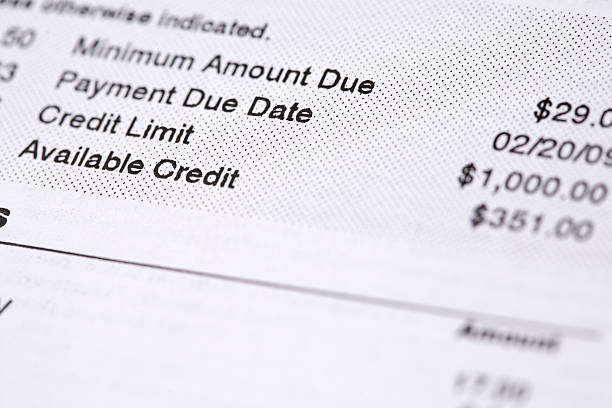
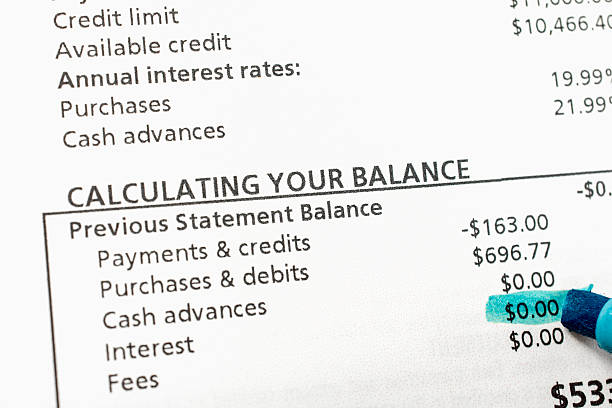
Conspicuous consumption also affects credit scores in ways that are not obvious. Carrying a balance raises how much of your available credit you use, and that can lower your score. A lower score can make future borrowing more expensive, including a car loan or mortgage. Missing a payment because the budget is stretched can damage your credit history for years. Even if you pay on time, high balances can make lenders see you as riskier. The result is a strange cycle: you spend to look financially comfortable, but the debt makes you less financially comfortable in reality.
Social media speeds up the comparison. You see the best moments of other people’s lives, often without their budgets, sacrifices, or debt. It is easy to mistake a well-curated post for a normal standard. One useful step is to make your own spending visible. Review your last three credit card statements and group purchases into simple categories like food, travel, clothes, hobbies, and home. You may find that the pressure to keep up is concentrated in a few areas. Once you see it, you can decide whether those areas match your values or just your feed.
Another practical move is to create a pause between wanting and buying. For nonessential purchases over a set amount, wait a day or a week. Use a debit card or cash for discretionary spending so the money feels real. Unfollow or mute accounts that regularly make you feel behind. Plan ahead for holidays, birthdays, and vacations so you are not relying on credit card balances. None of this requires giving up nice things. It requires choosing which nice things are worth paying for and which ones are only there to impress.
Credit can be a useful tool, but it works best when it supports a plan rather than replaces one. A middle-class budget is not about never spending on enjoyment. It is about making sure the car, the kitchen, the trip, and the phone do not cost you your financial breathing room. The goal is not to win a comparison with the neighbors. It is to build a life you can afford today and still feel good about tomorrow. That kind of planning may feel less exciting than an upgrade, but it gives you options, and options are worth more than appearances. That is the real payoff over time.