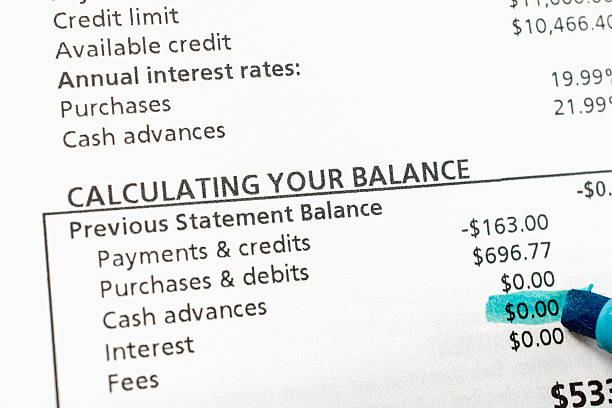
When you start feeling like your monthly payments are eating up more and more of your paycheck, you might be heading toward overextension. Overextension happens when you take on more debt than you can comfortably handle. One of the most reliable tools to measure whether you are overextended is your debt-to-income ratio, or DTI. This simple number compares what you owe each month to what you earn. Understanding your DTI can help you spot trouble before it gets serious, and it is something every middle-class consumer should keep an eye on.
Your debt-to-income ratio is calculated by adding up all your monthly debt payments and dividing that total by your gross monthly income, which is your income before taxes and other deductions. For example, if your monthly debt payments add up to one thousand five hundred dollars and your gross monthly income is five thousand dollars, your DTI is thirty percent. That means thirty cents of every dollar you earn goes toward paying off debts before you spend a penny on food, gas, utilities, or savings. The debts you include are things like your mortgage or rent, car loans, student loans, credit card minimum payments, and any other personal loans. You do not include everyday expenses like groceries or utility bills because those are not debts in the same way.
Lenders use your DTI to decide whether you can afford to take on more debt, but you can use it for yourself as a warning light. A low DTI, generally under thirty-six percent, means you have room in your budget to handle unexpected expenses or new loans without too much strain. Once your DTI climbs above forty-three percent, you are entering risky territory. At that level, more than four out of every ten dollars you earn are already committed to debt payments. Any disruption to your income, such as a job loss or medical emergency, can quickly push you into a situation where you cannot keep up with your bills. That is the essence of overextension. You are stretched so thin that a single unexpected cost can break your budget.
Many middle-class consumers do not realize they are overextended until it is too late. The warning signs often start small. You might begin making only the minimum payment on your credit cards, or you might occasionally skip a payment and pay the late fee just to get through the month. You might start using credit cards for everyday expenses like groceries and gas because your bank account is already empty. These habits are red flags that your DTI is likely creeping upward. If you do not check your numbers, it is easy to convince yourself that everything is fine as long as you are making the payments. But the math does not lie. When your DTI crosses that forty-three percent threshold, you are living beyond your means.
One reason middle-class consumers fall into overextension is the temptation to use debt to maintain a certain lifestyle. A new car, a home renovation project, or a vacation financed with credit cards can feel manageable in the moment. But each new monthly payment adds to your DTI. Over time, even a few extra payments can push your ratio into dangerous territory. The problem is compounded by the fact that many people underestimate how much they actually owe each month. They remember the big payments like the mortgage and car loan but forget about the smaller ones like store credit cards or personal loans. That is why it is helpful to write down every single payment you make each month, no matter how small, and add them up. Then divide by your monthly income. The result might surprise you.
If you discover that your DTI is above forty-three percent, do not panic. There are straightforward steps you can take to bring it down. The most powerful move is to increase your income, perhaps by taking on extra work or asking for a raise. Any additional money you earn can go directly toward paying down your highest-interest debts, which lowers your monthly payments and improves your ratio. The other approach is to reduce your debt payments. You can do this by paying off small balances in full, refinancing high-interest loans to lower your monthly payment, or consolidating multiple credit card debts into one loan with a lower interest rate. Even cutting back on discretionary spending for a few months can free up cash to pay down debt faster. The key is to treat your DTI as a number you can actively manage, not as something that happens to you.
Another important point is that your DTI does not include your savings or investments. You can have a high DTI and still have a healthy retirement account, but that does not mean you are safe from overextension. The reason is simple. Debt payments are due every single month, and you cannot pay them with retirement savings without incurring penalties. Your monthly cash flow is what matters for staying current on your bills. So even if you have a decent net worth, a high DTI means you are living paycheck to paycheck in terms of your cash flow. That is a precarious position for any middle-class household.
Keeping your debt-to-income ratio under control is one of the best ways to avoid the stress and financial damage of overextension. It gives you a clear, objective measure of where you stand. You do not need to be a math expert to calculate it. You just need to know your monthly debt payments and your monthly income. Once you have that number, you can make smarter decisions about taking on new debt and set realistic goals for paying down what you already owe. If you find yourself near the warning zone, take action early. A small adjustment now can prevent a much bigger crisis later. Your financial health depends on staying within your means, and your DTI is the compass that shows you the way.