For many middle-class families, choosing a health insurance plan feels like a game of roulette. The monthly premium on a low-deductible plan eats up a large part of your paycheck. So you look at the high-deductible option. It saves you several hundred dollars a month. The deductible is steep, but you tell yourself you are healthy. You rarely go to the doctor. This is how a lot of smart, careful people set themselves up for a financial emergency they never planned for.
A health insurance deductible is the amount you must pay out of pocket before your insurer starts covering your medical expenses. With many high-deductible plans available today, that amount can be anywhere from three to ten thousand dollars or more for a family. The trade-off seems simple: lower monthly costs in exchange for a higher risk if something goes wrong. But something usually does go wrong. It might be a torn ligament during a weekend basketball game. It might be a sudden appendicitis attack. It might be a chronic condition that appears out of nowhere. The moment you need real medical care, the deductible becomes a wall of cash you have to climb before anyone else will help you.
What makes this especially tricky for middle-class households is that they earn enough to disqualify them from many forms of public assistance, but they do not have enough savings to cover a five-figure medical bill. You might have a good salary, a mortgage, a car payment, and a modest emergency fund. That fund was meant for a new water heater or a unexpected car repair, not for a hospital stay. So when the bill arrives, you charge it to a credit card. Or you accept the hospital’s offer of a payment plan. Either way, you have just turned healthcare debt into regular consumer debt, often with an interest rate that makes the original bill even larger.
The deeper problem is that high-deductible plans do not just shift the cost of care; they shift the responsibility for making financial decisions at a time when you are least able to do so. When you are in pain or worried about a diagnosis, you are not in a good position to compare prices for an MRI or question why your emergency room visit cost three times the average rate. You just want to get better. As a result, you end up paying the full retail price for services that your insurance company would have negotiated down if you had already met your deductible. This can double what you owe for something as simple as a blood test or an X-ray.
There are ways to manage this risk, but they require planning before you ever get sick. First, always know your deductible and what counts toward it. Not every bill applies to your deductible, and some services are excluded unless your doctor gets prior authorization. Second, ask for the cash price up front. Many hospitals and clinics will give you a discounts of twenty to fifty percent if you pay directly instead of billing through insurance. Third, check if you qualify for financial assistance. Nonprofit hospitals are required to offer charity care programs, but they rarely advertise them. You have to ask. The guidelines often extend to families earning well above the federal poverty level, so it is worth the paperwork.
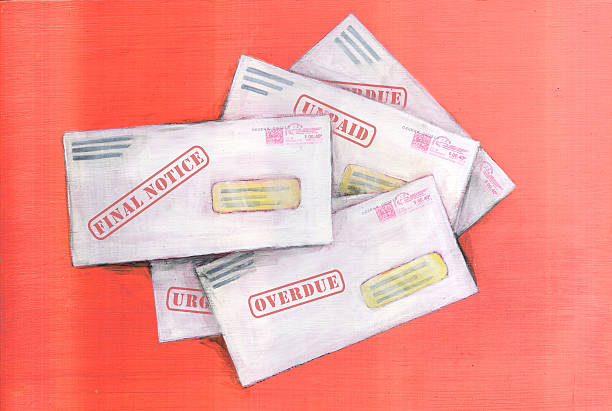
If you already owe money from a medical bill, do not ignore it. Medical debt behaves differently from other debt in some ways, but it can still harm your credit score just as much. Once a bill goes to a collection agency, it shows up on your credit report and stays there for seven years. That can raise your interest rate on car loans, prevent you from renting a good apartment, and even hurt your chances at certain jobs. The good news is that many hospitals are willing to negotiate. Call the billing department and ask for a reduced amount if you can pay a lump sum. Or ask them to lower your monthly payment to something you can realistically afford. They would rather receive a smaller amount than sell your debt to a collector for pennies on the dollar.
The larger lesson here is that healthcare debt is rarely about reckless spending. It is about a system that asks ordinary people to predict unpredictable medical events and then punishes them for not predicting well. Middle-class consumers are often caught in the middle. They have too many assets to receive free care, but not enough liquid cash to handle a major health event without borrowing. The only true defense is to treat your deductible as a known risk, similar to a home repair fund. Put aside a fixed amount every month into a dedicated savings account. Even three hundred dollars a month adds up to a significant buffer over time. If you never need it, that money can go toward a future medical expense or even your retirement. But if you do need it, it will keep a single bad moment from becoming years of debt.
Healthcare debt does not have to ruin your financial life, but it will if you ignore the warning signs. A deductible is not just a number on a brochure. It is a commitment to pay for your own care before your insurance starts working. Understand that commitment, plan for it, and you give yourself a real fighting chance.