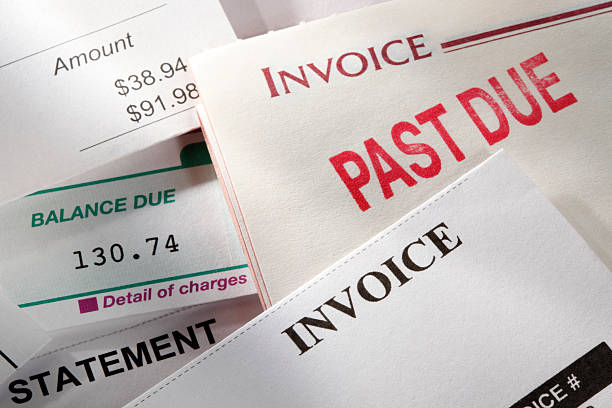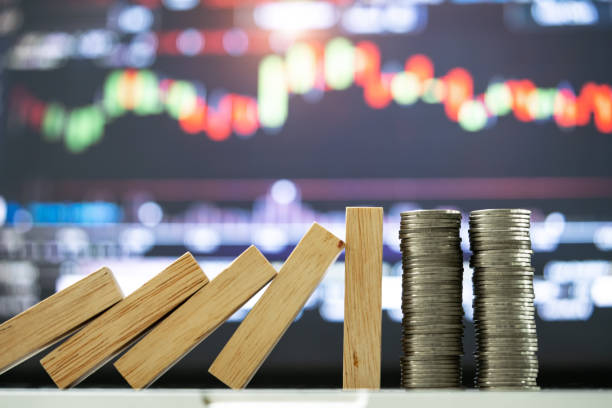
Buy Now Pay Later services have become a common sight at checkout counters and online stores. You have probably seen the option to split a purchase into four interest-free payments, with the first payment due right away and the rest spread over a few weeks. For many middle-class consumers, this feels like a harmless way to manage cash flow. You get your item today, you pay a quarter now, and you handle the rest later. But this convenience comes with hidden risks that can quietly damage your credit health and your overall financial stability.
The main problem with Buy Now Pay Later is that it makes spending feel less painful. When you pull out a credit card, you see the full amount and you feel the weight of that debt. With BNPL, you only see a small fraction. A two-hundred-dollar jacket becomes a fifty-dollar payment today. That feels manageable. But if you use multiple BNPL plans for different items at the same time, those small payments add up quickly. You might have a fifty-dollar payment due this week for a jacket, another thirty-five dollars for a pair of shoes next week, and a sixty-dollar payment for a kitchen gadget the week after that. Suddenly, you are juggling five or six separate payment schedules, all with different due dates. Missing just one can trigger late fees and, in some cases, reports to credit bureaus.
Another overlooked issue is the way BNPL affects your credit utilization ratio. Credit bureaus and scoring models look at how much of your available credit you are using. If you put a purchase on a credit card, that balance counts against your limit. But most BNPL plans do not show up on your credit report unless you miss payments. That sounds good at first, because it means your credit score is not directly affected by the debt. However, the absence of reporting can work against you. You can accumulate a significant amount of BNPL debt without any visible warning on your credit report. When you eventually apply for a mortgage or a car loan, the lender will see your monthly obligations based on your bank statements and other data. If you have dozens of small BNPL payments going out each month, your ability to qualify for new credit can be severely limited, even if your credit score looks fine.
There is also a psychological factor. Buy Now Pay Later encourages a mindset of “I can afford it because I can pay later.” This is dangerous because it separates the act of buying from the act of paying. You enjoy the item now, but the payments arrive weeks later when the excitement has faded. By that time, your budget might be stretched by other unexpected expenses. Many middle-class consumers use BNPL for everyday necessities like groceries, gas, or household supplies. When you use a BNPL app to buy your weekly groceries, you are essentially borrowing against your future income just to cover basic needs. That habit can create a cycle where you are always paying for last week’s expenses with this week’s paycheck.
Late fees are another common trap. Each BNPL provider has its own rules. Some charge a flat fee for missed payments, while others charge a percentage of the remaining balance. A single late fee might be only seven or eight dollars, but if you have multiple plans running, those fees can pile up. Worse, some providers automatically try to charge your linked debit or credit card when a payment is due. If that payment fails, they might try again later, and each failed attempt can trigger a new fee. Before you know it, a fifty-dollar item has cost you seventy-five dollars because of late fees and processing charges.
The best way to use Buy Now Pay Later is to treat it like a tool you use sparingly, not a habit. Before you click that four-payment button, ask yourself if you would buy the item if you had to pay the full amount today. If the answer is no, then you are likely stretching your budget too thin. Set a rule for yourself: only use BNPL for items that are truly necessary and that you could pay off in full if you had to. And always keep a simple spreadsheet or note on your phone tracking every BNPL plan you have open, including the dates and amounts. This way, you never get surprised by a due date.
Finally, remember that Buy Now Pay Later is a form of debt. It may not feel like debt because it is small and short-term, but it is still money you owe. And like any debt, it can spiral if you ignore it. The middle-class consumer is especially vulnerable here because the amounts are small enough to seem insignificant but large enough to cause real harm when multiplied across several purchases. Keep your spending conscious, keep your payments on time, and never let the convenience of “pay later” fool you into buying more than you can afford.