When you own a home, it can feel like you have a safety net underneath you. That safety net is your equity, which is simply the difference between what your house is worth and what you still owe on your mortgage. Many lenders want you to tap into that equity, and one of the most popular ways to do it is through a home equity line of credit, often called a HELOC. A HELOC works a lot like a credit card. You get approved for a certain amount of money, and you can borrow against that amount whenever you need it. You only pay interest on what you actually use. For a middle-class family facing a big expense like a new roof or medical bills, a HELOC can seem like a lifesaver. But there is a serious catch that many people do not fully understand until it is too late. Your house is the collateral. That means if you cannot make the payments, the lender can take your home. This is what makes a HELOC a form of secured debt, and secured debt carries a much bigger risk than unsecured debt like credit cards or personal loans.
The first danger with a HELOC is that the interest rate is usually variable. That means it can go up or down over time. When you first open the line of credit, the rate might look attractive, often lower than a credit card rate. But that rate is tied to broader economic conditions, like the prime rate set by banks. When the economy heats up or inflation rises, the Federal Reserve raises interest rates, and your HELOC rate climbs along with it. Your monthly payment can jump by hundreds of dollars with almost no warning. For a family that is already stretched thin, a sudden increase in payment can be the difference between staying current and falling behind. You might have taken out a modest amount, say twenty thousand dollars for a kitchen renovation, but if your rate doubles over a few years, you could be paying far more than you ever planned. And because the loan is secured by your home, missing even a few payments can trigger a foreclosure process.
Another hidden danger is the ease of borrowing again and again. With a HELOC, you have a revolving line of credit. You can pay down the balance and then borrow it right back. This feels very much like a credit card, and it can lead to the same kind of overspending. Many families treat their home equity like an ATM for vacations, cars, or even everyday expenses. The problem is that each dollar you borrow reduces the ownership you have in your home. If housing prices drop, which they always do from time to time, you might end up owing more than the house is worth. That is called being underwater, and it is a terrible position to be in. You cannot sell without bringing money to closing, and you have no equity to fall back on for emergencies. The house becomes a heavy weight instead of a safe harbor.
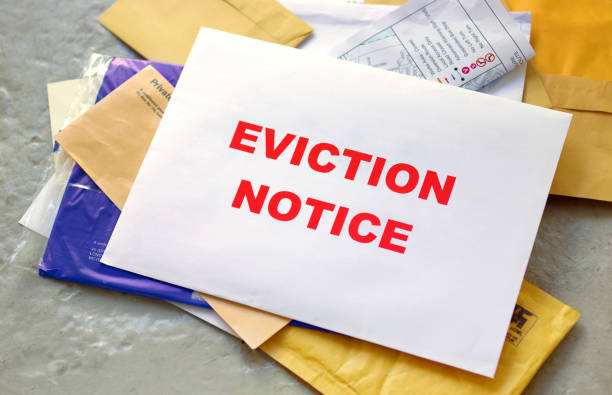
The most severe risk is the slow slide toward foreclosure. It rarely happens overnight. You miss one payment, then another. The lender adds late fees and penalty interest. You get letters and phone calls. You might try to use more of your HELOC to catch up, which only deepens the hole. Because the debt is secured, the lender has the legal right to force the sale of your home to get their money back. For a middle-class family, losing a home is not just a financial blow. It uproots your children from school, destroys your credit for years, and leaves you with a lasting scar. Many people do not realize that a HELOC lender is not second in line to your main mortgage. In some cases, depending on how the loan is structured, a HELOC can have equal or even priority claims. That means if you go into default, the legal process can get messy and expensive, and the outcome is rarely good for you.
If you already have a HELOC and are feeling the pressure, there are steps you can take. The most important thing is to act before you miss a payment. Call your lender and explain your situation. Many lenders have hardship programs that can lower your rate or extend your repayment period. You might also consider refinancing the HELOC into a fixed-rate personal loan, which would convert it to unsecured debt and protect your home, though the interest rate may be higher. Or you could take on a part-time job and use every extra dollar to pay down the balance as fast as possible. The key is to stop borrowing on the line of credit immediately. Treat it like an emergency, because it is one.
For anyone who does not have a HELOC yet, think very carefully before signing up. The promise of easy cash is tempting, but the risk to your home is real. A secured debt is not just a loan. It is a bet that you will be able to pay it back no matter what happens. If your income is steady, you have a solid emergency fund, and you are only borrowing for something that will hold value or increase your earning power, a HELOC might make sense. But for most middle-class families, the smarter move is to use an unsecured loan or simply save up over time. Your house should be your shelter, not your credit card.