Most middle-class consumers see the minimum payment on their credit card statement as a helpful safety net. It feels like a responsible choice: pay a little now, keep your account in good standing, and handle the rest later. But that small monthly figure is often the starting point for a slow, quiet slide into financial stress. The true cost of making only minimum payments is not just the extra interest you pay. It is the way this habit slowly rewires your financial thinking, shrinks your options, and keeps you trapped in a cycle that feels impossible to escape.
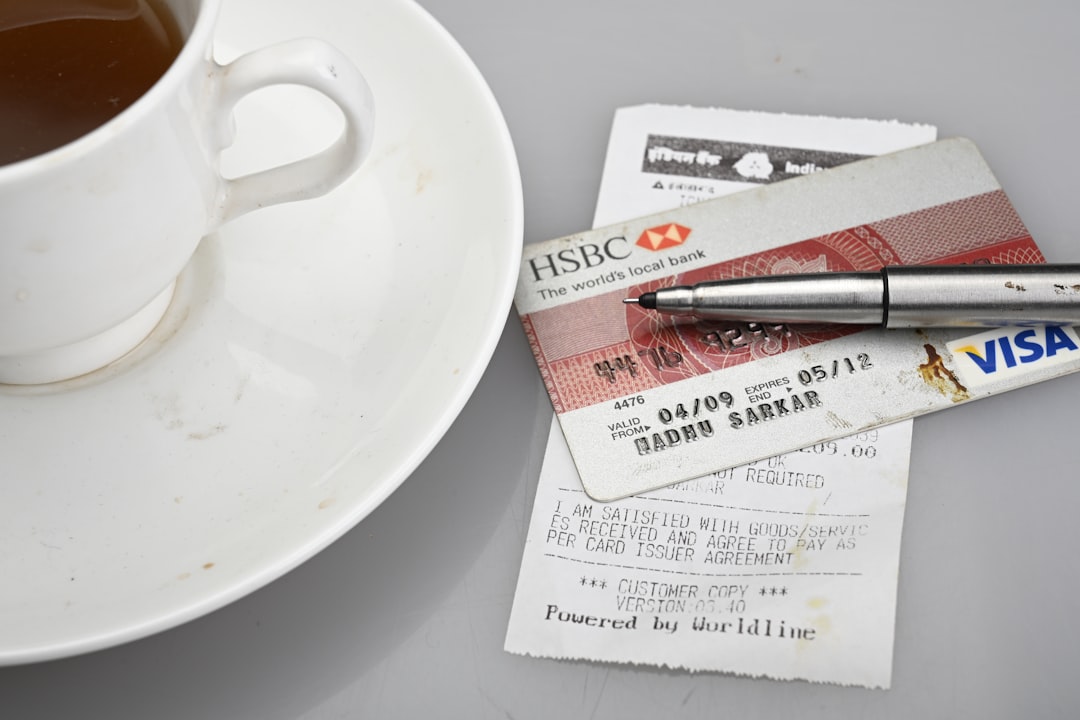
When you only pay the minimum, you are essentially renting your own money. Let’s say you carry a balance of five thousand dollars on a card with an eighteen percent annual interest rate. Your minimum payment might be around one hundred dollars. That sounds manageable. But look at what is actually happening: roughly seventy-five dollars of that payment goes straight to interest. Only about twenty-five dollars reduces your actual debt. At that rate, it will take you more than twenty years to pay off that five thousand dollars, and you will end up paying over seven thousand dollars in interest alone. That is money you could have used for a vacation, home repairs, or retirement savings. Instead, it goes to the bank for the privilege of borrowing money you have already spent.
The stress this creates is not just about the math. It is about the constant mental weight of knowing that your debt is barely shrinking. You make a payment, check your balance, and see it drop by a tiny amount. The next month, the interest adds back on, and you are right where you started. This feeling of treading water is one of the most demoralizing experiences in personal finance. It eats away at your sense of control. You start to believe that you will never get ahead, so you stop trying. That belief is a direct path to chronic financial stress.
That stress shows up in your everyday life. You might avoid opening your mail or checking your banking app. You snap at your partner when they ask about the budget. You lie awake at night running worst-case scenarios in your head. Research has shown that financial stress is linked to higher rates of anxiety, depression, and even physical health problems like high blood pressure and insomnia. When you are stuck making minimum payments, you are not just losing money. You are losing peace of mind.
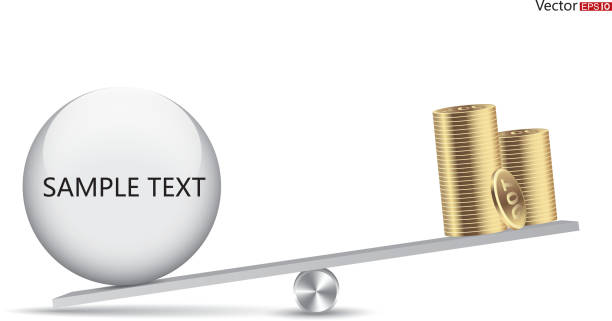
Another hidden consequence is the way minimum payments limit your future options. When you are carrying a large balance, your credit utilization ratio climbs. That ratio compares your total credit card balances to your total credit limits. Lenders see high utilization as a sign that you are overextended. Your credit score drops. That drop makes it harder to qualify for a mortgage, a car loan, or even a rental apartment. If you do qualify, you will pay a higher interest rate. So the debt from your past purchases actively punishes you when you try to make important financial moves. It becomes a ball and chain that keeps you from buying a home or refinancing your student loans.
The financial stress of minimum payments also creates a dangerous feedback loop. When you feel stressed about money, you are more likely to use credit to cope with unexpected expenses. A car repair or a medical bill lands on your plate. You have no cash because all your extra money went to minimum payments. So you put the new expense on the same credit card. Now your balance is higher. Your minimum payment goes up. You have even less room in your budget. This cycle repeats until you are drowning.
There is only one way out: break the minimum payment habit. Start by paying as much as you possibly can above the minimum each month, even if it is just twenty or thirty dollars extra. That extra amount goes directly to the principal. Over time, it creates momentum. The interest charges shrink, the balance falls faster, and you start to see real progress. That progress is the antidote to stress. It gives you hope and motivation.
If you find yourself stuck, consider a balance transfer to a card with a zero-percent introductory offer. This stops the interest from piling up, so every dollar you pay actually reduces what you owe. Just be careful not to run up new charges on the old card. Another option is a personal loan with a fixed term. It turns your open-ended credit card debt into a scheduled repayment plan. Knowing exactly when you will be debt-free can lower your stress more than any single payment.
The minimum payment on your credit card statement is not a friendly suggestion. It is a trap designed to keep you paying longer. Recognize it for what it is, and decide today that you will pay more than the minimum, even if it means cutting back elsewhere for a few months. Your future self will thank you, and the weight of financial stress will finally start to lift.