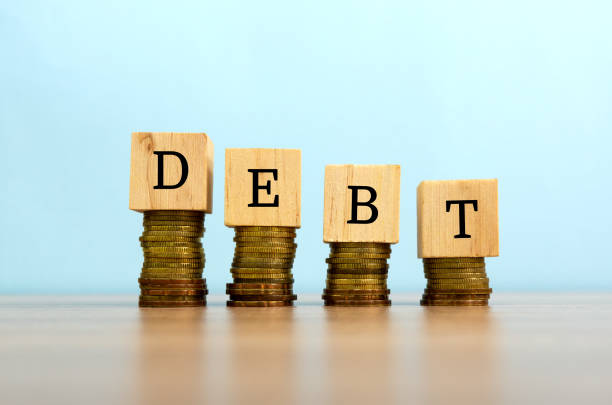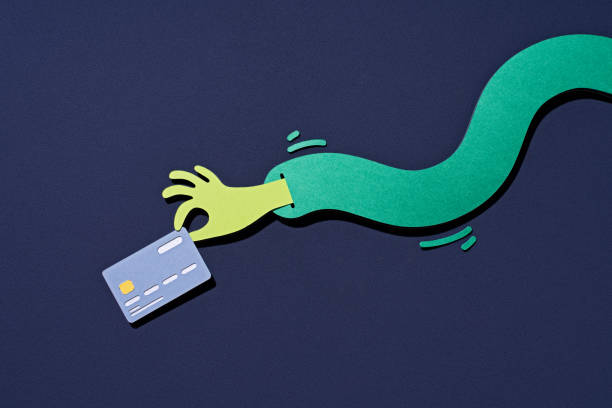
The monthly arrival of a credit card statement is a routine event for millions, yet the decision of how much to pay is anything but mundane. While the option to make only the minimum payment is presented as a convenient financial lifeline, it is, in reality, a perilous path that can lead consumers into a quagmire of long-term debt. The danger of this practice is not merely about paying more over time; it is a systemic trap that undermines financial stability, exponentially increases the cost of purchases, and perpetuates a cycle of indebtedness that can take decades to escape.
At its core, the minimum payment is calculated as a small percentage of the total balance, often around 2-3%, or a fixed dollar amount, whichever is higher. This design creates an illusion of affordability and control. A consumer carrying a $5,000 balance might see a minimum payment of only $100, a seemingly manageable sum compared to the daunting total. This psychological comfort is the trap’s first mechanism. It allows individuals to maintain a lifestyle beyond their immediate means, deferring the full financial impact into a nebulous future. However, this short-term relief comes at a catastrophic long-term cost due to the relentless arithmetic of compound interest.
This leads to the most quantifiable danger: the staggering amount of interest paid over time. Credit cards typically carry high annual percentage rates (APRs). When only the minimum is paid, the majority of that payment goes toward the interest accrued that month, not the principal amount originally borrowed. Consequently, the principal balance decreases at a glacial pace. For example, a $5,000 balance with an 18% APR and a 2% minimum payment would take over 30 years to pay off and accrue more than $6,700 in interest—more than the original purchase itself. The item bought is often forgotten, used, or obsolete long before it is paid for, transforming a simple transaction into a lifelong financial burden.
Furthermore, this cycle directly damages one’s credit health. A key component of credit scores is credit utilization—the ratio of debt owed to total credit available. By making only minimum payments, balances remain high, keeping utilization ratios elevated. This signals to lenders that the borrower is overextended, leading to lower credit scores. A lower score then affects the ability to secure loans for homes or cars at favorable rates, creates higher insurance premiums, and can even impact employment opportunities. The individual becomes riskier in the eyes of the financial system, which further constricts their economic mobility.
Beyond the numbers, the minimum payment habit fosters a dangerous normalization of persistent debt. It severs the tangible connection between purchase and payment, encouraging a disconnect from financial reality. When the immediate consequence of spending is minimized to a small monthly fee, budgeting and disciplined saving can erode. This mindset makes it exceedingly difficult to build an emergency fund, as disposable income is perpetually funneled toward servicing old debt. When an unexpected expense inevitably arises, the only option often seems to be further borrowing, deepening the debt spiral.
Ultimately, the danger of only making minimum payments is that it transforms a tool for convenience into an engine for financial entrapment. It is a recipe for paying multiples of the original cost of items, for shackling future income to past consumption, and for surrendering financial freedom to compounding interest. The path to escape requires a conscious break from this cycle: paying significantly more than the minimum whenever possible, targeting high-interest debt first, and realigning spending with actual earnings. Recognizing the minimum payment for what it is—a costly grace period, not a sustainable strategy—is the first critical step toward genuine financial resilience and independence.