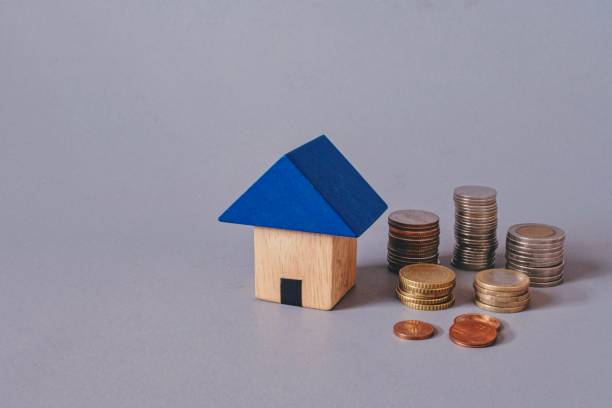
When you own a home, you might hear about using its value to borrow money. This is called a home equity loan or a home equity line of credit. For many middle-class families, this seems like a smart way to handle credit card bills, medical costs, or even a new car. The interest rate is often lower than what credit cards charge. You might think you are saving money every month. But there is a serious danger hiding in this type of secured debt, and it can put your home on the line.
Secured debt means the loan is backed by something you own. With a home equity loan, the thing you own is your house itself. If you cannot make the payments, the lender has the right to take your home to get their money back. That is the core problem. When you borrow against your home, you are not just taking on a payment. You are turning your home into collateral for a promise to pay. For a middle-class household, that promise can become too heavy if your income changes or if unexpected expenses pop up.
One common mistake is using a home equity loan to consolidate unsecured debt, like credit card balances. Credit cards usually have high interest rates, and paying them off with a lower rate loan can feel like a victory. You see one monthly payment instead of several. You breathe easier. But here is what many people miss. Credit cards are unsecured debt. That means if you stop paying them, the credit card company cannot take your house. They can sue you, damage your credit, and send collectors, but your home stays yours. When you move those balances into a home equity loan, you transform unsecured debt into secured debt. You have just given your house a new boss. If you fall behind on that loan, you are not just hurting your credit score. You are risking the roof over your head.
Another trap is the temptation to keep spending. A home equity line of credit works like a credit card. You can borrow a little, pay it back, and borrow again. That flexibility feels wonderful for a while. But middle-class consumers often use this line for things that do not increase in value, like vacations, furniture, or everyday living. Before long, you owe more than your house is worth. If the housing market dips, you could owe far more than the property value. That situation is called being underwater. When you are underwater, selling the home becomes difficult, and refinancing is almost impossible. You feel stuck.
Life events can make overextended secured debt even worse. A job loss, a medical emergency, or a divorce can cut your income. Your home equity payment still arrives every month. Because the debt is secured, the lender has a direct path to foreclosure. Foreclosure is a long, painful process. It ruins your credit for years and forces you to move. Many middle-class families do not realize how fast they can fall from comfortable to desperate. They think the low monthly payment is enough. But they forget to include property taxes, insurance, and upkeep into the math. Those costs do not go away just because you borrowed money against the house. And unlike unsecured debt, secured debt gives the lender a legal claim to your property right away.
There is also the emotional weight. Knowing that your home is at stake changes how you handle money. You might cut back on important things like health care to keep the loan current. You might borrow more from other sources to cover the gap. This creates a cycle of overextension that becomes harder to break. The very solution you chose to simplify your finances ends up complicating everything. This stress can damage relationships and health.
Before taking on any secured debt, ask yourself a few hard questions. Can you make the payments even if your income drops by twenty percent? Do you have an emergency fund that covers at least three months of living costs? Are you borrowing to pay for something that will last longer than the loan? If you answer no to any of these, a home equity loan might be a bad move. There are other ways to handle high-interest debt. You could negotiate directly with credit card companies, work with a nonprofit credit counselor, or create a strict budget to pay off balances over time. These methods take longer, but they do not put your home in danger.
Secured debt is not always wrong. A mortgage is a form of secured debt, and most people need one to buy a house. A car loan is also secured, and that is normal. The problem starts when you overextend on secured debt, meaning you borrow so much that repayment becomes fragile. For middle-class consumers, the home is usually the single biggest asset. Treat that asset with caution. Do not use it as a piggy bank for expenses that should be handled with savings or careful planning. The moment you sign a home equity loan, you are betting your home on your future income. Make sure you can win that bet. Because the cost of losing your home is far greater than any interest rate you will ever pay.