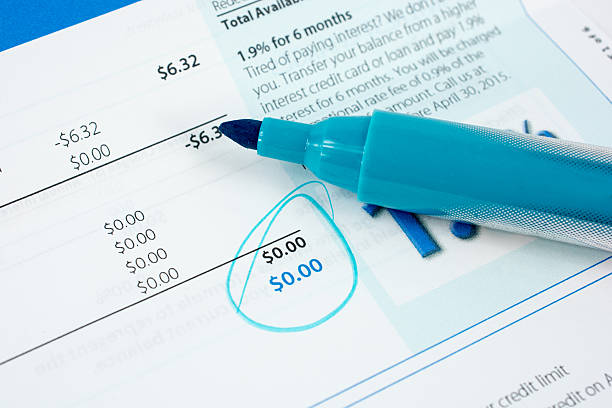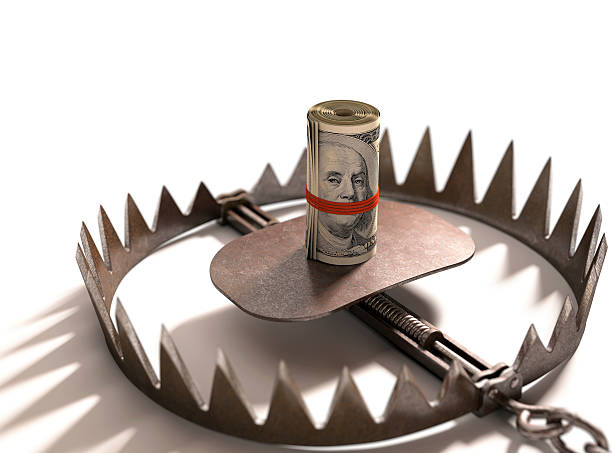
When you open your credit card statement each month, you see a number that looks almost too good to be true. It is the minimum payment due. It is often a small fraction of your total balance, maybe twenty-five or thirty-five dollars. For a middle-class consumer with five thousand dollars in credit card debt, that minimum payment feels like a lifeline. You can pay it, buy groceries, fill up the gas tank, and still have money left over for something nice. That is exactly what the credit card company wants you to think. The truth is that the minimum payment is the most expensive number on your statement, and it is designed to keep you in debt for years.
Revolving credit is the kind of debt that lets you borrow, repay, and borrow again without applying for a new loan. Credit cards are the most common example. Unlike a car loan or a mortgage, which has a fixed payment schedule that eventually pays off the loan, revolving credit only requires you to pay a percentage of what you owe each month. If you pay the full balance, you avoid interest charges. But if you only pay the minimum, you are signing up for a long and expensive relationship with your credit card company.
Let us look at the math, because this is where the trap becomes clear. Suppose you have a credit card balance of five thousand dollars with an annual percentage rate of twenty-two percent. That rate is typical for many middle-class consumers with good but not excellent credit. Your minimum payment is probably calculated as a percentage of your balance, usually around two to three percent. On five thousand dollars, a two percent minimum payment is one hundred dollars. That sounds manageable. But consider what happens over time.
If you stop using the card entirely and only pay the minimum each month, you will be paying off that five thousand dollars for more than twenty years. By the time you are done, you will have paid over seven thousand dollars in interest alone. Your original five thousand dollar purchase ends up costing you more than twelve thousand dollars. That is the price of a used car or a significant home improvement project. And all you got was a few nice dinners, some holiday gifts, or a vacation you took two decades ago.
The trap works because of compound interest, but in reverse. When you only pay the minimum, your balance shrinks very slowly. Each month, the credit card company calculates interest on whatever balance remains. If your minimum payment is one hundred dollars and the interest charge for that month is ninety dollars, only ten dollars actually reduces your debt. You made a one hundred dollar payment, but your debt only dropped by ten dollars. That is like filling a bathtub with the drain open. You pour in water, but most of it goes down the pipe before the tub fills up.
For a middle-class consumer, this trap is especially dangerous because life happens. You might have a car repair, a medical bill, or a job loss that forces you to put new charges on the card. Suddenly, you are not just paying minimums on the old balance. You are adding new purchases that also accrue interest immediately. Credit cards do not give you a grace period on new purchases if you carry a balance. Every cup of coffee, every tank of gas, every grocery trip starts costing you interest from the day you swipe the card. Your debt grows even when you think you are being careful.
The psychological effect is just as damaging as the financial one. When you pay the minimum for months or years, you start to feel like you are not making progress. You look at your statement and the balance barely moves. This feeling of futility can lead to something called financial paralysis. You stop checking your statements. You stop caring about the interest rate. You just pay the minimum and hope the problem goes away. It never does. The credit card company counts on this. They know that most people will not do the math. They know that a low monthly payment feels affordable. They know that consumers are busy with work, family, and life, and that debt is easy to ignore as long as it fits in the monthly budget.
So what can you do if you are caught in this trap? The first step is to acknowledge that the minimum payment is not your friend. It is the credit card company’s preferred payment method because it maximizes their profit. The second step is to change your approach. Even if you cannot pay the full balance, pay more than the minimum. Twenty extra dollars each month can shave years off your repayment timeline and save you thousands of dollars in interest. The third step is to stop using the card until the balance is gone. Every new purchase resets the clock and makes it harder to escape.
Many middle-class consumers feel shame about credit card debt, but you should not. The system is designed to be confusing and expensive. The card issuers have teams of mathematicians and behavioral psychologists working to keep you paying. Your best weapon is knowledge. Once you understand how the minimum payment trap works, you can start fighting back. Pay more than the minimum. Focus on one card at a time. Consider a balance transfer card with a zero percent introductory rate if your credit is decent. And most importantly, change your mindset from making the payment to paying off the debt.
The minimum payment is not a solution. It is a subscription to debt. You pay every month for the privilege of still owing money. The only real escape is to break the cycle of revolving credit and treat your credit card like a tool for convenience, not a source of long-term financing. The middle class is built on stability, planning, and progress. The minimum payment trap offers none of those things. It offers slow, steady profit for the bank and slow, steady frustration for you. Step out of the trap, and your wallet and your peace of mind will thank you.