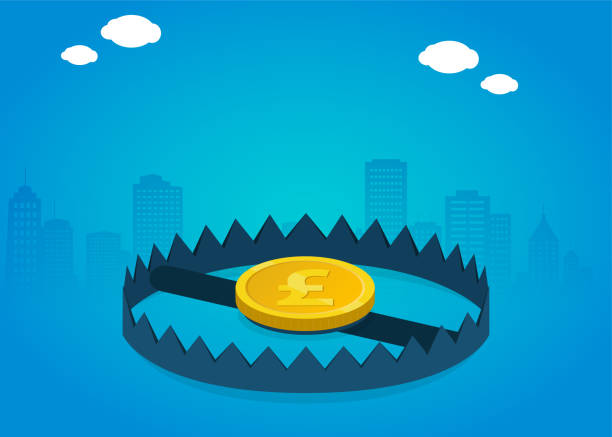
Imagine you are out to dinner with friends. The bill comes, and you put it on your credit card without a second thought. When the statement arrives, you see a balance of two thousand dollars. The minimum payment due is just fifty dollars. You pay it, feeling responsible. The next month, your balance has barely moved. This is the minimum payment trap, and it is the most common way middle-class consumers slide into overextended debt without ever realizing they are drowning.
Revolving credit is the financial tool that makes this trap so easy to fall into. Unlike a car loan or a mortgage, which has a fixed term and a set payment schedule, revolving credit—most commonly credit cards and home equity lines of credit—lets you borrow, repay, and borrow again. There is no end date. The issuer gives you a credit limit, and you can use as much or as little of that limit as you want, as long as you make at least the minimum payment each month. That freedom is exactly what gets people into trouble.
The minimum payment is calculated to be low enough that you can always afford it, but high enough to cover the interest charges and a tiny sliver of the principal. For most credit cards, the minimum is around one to three percent of your balance. If you owe five thousand dollars, your minimum payment might be one hundred dollars. That sounds manageable, and it is. The problem is that the interest charges on the remaining balance are so high that you end up paying for years. The credit card company makes money not when you pay off your balance, but when you do not. They design the minimum payment to keep you in debt for as long as possible.
Let us look at the math in plain terms. If you owe five thousand dollars on a card with a twenty percent annual percentage rate, and you only make the minimum payment each month, it will take you over twenty years to pay it off. You will end up paying more than twelve thousand dollars in interest alone. For the same five thousand dollars, if you pay two hundred dollars a month, you are done in under three years, and you pay only about fifteen hundred dollars in interest. The difference is staggering, but most people do not do the math. They see the low number on their statement and assume they are handling things fine.
The trap gets even worse when you start using your credit card for everyday expenses. When you put groceries, gas, and utility bills on your card, you are mixing new spending with old debt. The minimum payment is based on your total balance, so if you charge eight hundred dollars in new expenses each month and pay only the minimum, your balance will grow steadily. Over time, your credit utilization ratio—the amount you owe compared to your credit limit—climbs higher. That hurts your credit score, which makes it harder to get a loan or a better interest rate. You end up trapped in a cycle where you need the card to get by, but the card itself is making your financial situation worse.
Revolving credit is particularly dangerous because it does not have a built-in warning system. With a car loan, you know exactly how much you owe and when it will be paid off. With revolving credit, the balance can balloon without you noticing. You might tell yourself that you will pay it off next month, but next month comes and you still have the same balance. The credit card company is happy to let you keep going. They will increase your credit limit over time, giving you more rope to hang yourself. This is why overextended debt from revolving credit is so common among middle-class consumers who otherwise manage their money well.
If you are already caught in this trap, the way out is straightforward but requires discipline. Stop using the card entirely. Cut it up or lock it in a drawer. Then, pay as much as you can afford above the minimum each month. Even an extra twenty dollars makes a difference. Focus on the card with the highest interest rate first, often called the avalanche method, or the smallest balance first, the snowball method. Either works as long as you stick with it. The key is to break the habit of relying on the minimum payment as a permanent solution.
The fundamental rule for managing revolving credit is never to carry a balance from month to month if you can help it. Treat your credit card like a debit card. If you do not have the cash in your bank account to pay for something, do not put it on the card. This sounds simple, but it is the single most effective way to avoid overextended debt. The credit card is a convenience and a safety net, not a way to stretch your income.
When you understand how the minimum payment trap works, you can see it for what it is: a system designed to keep you borrowing. The only way to beat it is to refuse to play the game. Pay your balance in full every month. If you cannot, make a plan to get there as fast as possible. Revolving credit is a useful tool, but only when you control it. The moment you let the minimum payment become your standard payment, you have already lost control.