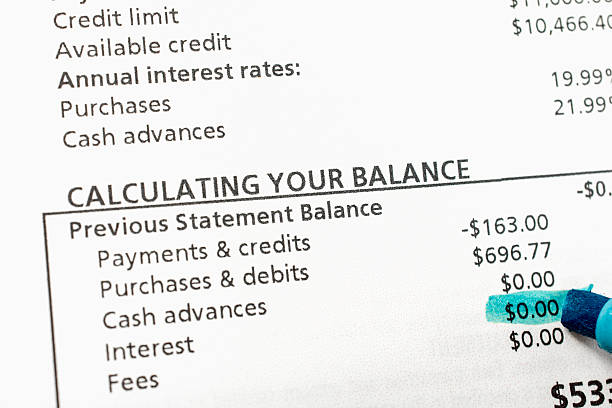
When you open your credit card statement each month, the issuer shows you a number that seems almost too good to be true. It is your minimum payment. Usually, it is a small percentage of your total balance, often just two or three percent, or a flat fee like twenty-five dollars. It looks like a convenient way to stay current without having to fork over a large chunk of cash. But that convenience is a dangerous illusion. Paying only the minimum is one of the fastest roads to overextension, and it keeps you trapped in debt for years, costing you thousands of dollars in interest along the way.
To understand why the minimum payment is so harmful, you need to look at how credit card interest works. The interest rate on most cards ranges from fifteen to twenty-five percent or more. When you carry a balance from one month to the next, the card company charges interest on the entire amount you owe, including any new purchases. If you pay only the minimum, you are essentially covering the interest charge plus a tiny sliver of the principal. The bulk of your debt remains untouched. That means next month, you will owe interest on that same large balance again. This is the classic compounding effect, but in reverse — it works against you instead of for you.
Let us run through a realistic example. Say you have a credit card balance of five thousand dollars at an annual percentage rate of twenty percent. Your minimum payment might be around one hundred dollars. If you pay only that minimum each month, it will take you more than thirty years to pay off the debt, and you will end up paying over ten thousand dollars in interest alone. That is more than double what you originally borrowed. For a middle-class consumer, that kind of long-term drain on your income is a textbook case of overextension. You are not managing your credit; it is managing you.
The psychological trap is just as strong as the financial one. When you see that low minimum payment, it is easy to convince yourself that your debt is under control. You might tell yourself that you will pay more next month or that a bonus or tax refund will wipe out the balance. But life happens. Emergencies come up. That extra cash you planned to use for debt repayment gets absorbed by a car repair or a medical bill. Meanwhile, the minimum payments continue, and your balance barely budges. Over time, you start to feel that you are drowning, yet you are still making payments. That feeling of being stuck is a hallmark of overextension: you are not defaulting, but you are not making real progress either.
Another way the minimum payment leads to overextension is by encouraging more spending. When your minimum payment is low, you might think you have room in your budget to put new charges on the card. After all, you can always cover the minimum, right? This is how a manageable debt spirals into an unmanageable one. You start with a few hundred dollars in charges, then a few thousand, then suddenly you owe more than you can realistically pay off even over several years. The minimum payment creates a false sense of affordability. It hides the true cost of carrying debt.
The credit card companies know this. They design the minimum payment to be as low as possible while still keeping you in good standing. They want you to carry a balance because that is how they make money. Every month you pay only the minimum, you are generating profit for them in the form of interest. It is not a favor to you; it is a business model. For the middle-class consumer, falling for this trap is one of the most common ways to slide into overextension without ever missing a payment.
So what can you do to avoid this trap? The first step is to stop thinking of the minimum payment as your goal. Your real goal should be to pay off your statement balance in full each month. If you cannot do that, then at least pay as much above the minimum as you can afford. Even an extra fifty dollars a month can cut years off your repayment time and save you hundreds or thousands in interest. The second step is to stop using the card while you are carrying a balance. New purchases will add to the balance immediately and start accruing interest, making it even harder to dig out. Treat your credit card like a loan you are trying to retire, not a revolving line of credit.
Finally, recognize the warning signs of overextension. If you find yourself routinely paying only the minimum, if your balance does not decrease month after month, or if you are using credit cards to cover everyday expenses because your paycheck is gone, you are already in trouble. The minimum payment is not your friend. It is the start of a long, expensive journey that ends with you paying far more than you ever borrowed. Break the cycle now, before the trap closes.