If you carry a balance on your credit card from month to month, you have probably seen that little box on your statement that says something like “Minimum Payment Due: $35.” It looks like an easy way out. You pay that small amount, you stay current, and you move on with your life. But that small payment is actually one of the most dangerous features of revolving credit. It is designed to keep you in debt for years, while the credit card company collects interest on the rest of your balance. Understanding how the minimum payment trap works is the first step to breaking free from overextended debt.
Revolving credit, like the kind you get with a credit card, lets you borrow up to a certain limit and then pay it back over time. Unlike a car loan or a mortgage, there is no fixed end date. You can use the card again as you pay down the balance. This flexibility is useful for emergencies or planned large purchases, but it also makes it very easy to fall into a cycle of paying only the minimum. The minimum payment is usually a small percentage of your total balance, often around one to two percent, plus any fees and interest. For a $5,000 balance, that might be $100 or less. That sounds affordable, but here is the catch: most of that payment goes toward interest, not the actual money you borrowed.
Imagine you have a credit card with an annual percentage rate, or APR, of eighteen percent. You owe $5,000 and you pay only the minimum each month. Even if you never use the card again, it will take you more than fifteen years to pay off that debt. You will end up paying almost $5,000 in interest alone, doubling the total cost of what you originally spent. The reason is compound interest. Each month, interest is charged on the remaining balance. If you only pay the minimum, the principal—the original amount you borrowed—shrinks very slowly. In the early years, nearly every dollar you send goes to interest. So your debt stays high, and the bank keeps earning.
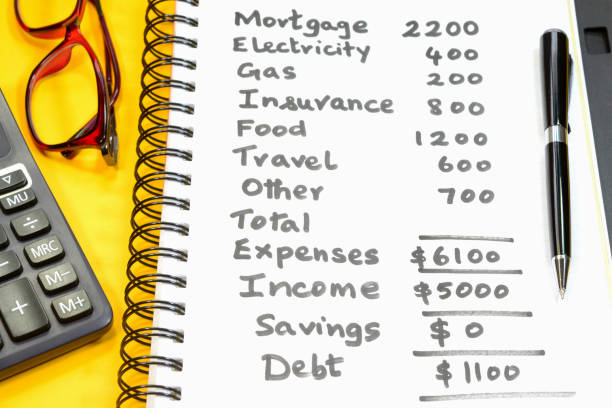
This trap is especially dangerous for middle-class consumers who might rely on credit to smooth out gaps in cash flow. A small unexpected expense, like a car repair or a medical bill, can push your balance higher. Then the minimum payment goes up slightly, but not enough to make a real dent. Meanwhile, you might keep using the card for everyday purchases, adding more debt on top of the old. Before you know it, you are paying minimums on multiple cards each month and wondering why your total balance never seems to go down. That is the overextension problem: you have more revolving debt than your income can comfortably manage, yet the minimum payments feel manageable enough that you do not panic—until a rate increase or a job loss makes them impossible.
The credit card industry relies on this behavior. They know that if they set the minimum payment low, many people will pay only that amount. It is not an accident. The minimum payment is calculated to keep you in debt as long as possible, maximizing the interest they collect. Some cards even allow you to pay just interest and fees with no principal reduction at all, although regulations have reduced that practice. Still, the system is set up so that the minimum payment is the slowest possible way to eliminate your balance. That is why financial advisors say you should always pay more than the minimum—ideally, pay the statement balance in full every month.
But what if you cannot pay in full? Then the next best step is to set a fixed payment amount that is well above the minimum. For example, if your minimum is $50, pay $150 or $200 instead. That extra money goes straight to reducing the principal. The sooner you lower the principal, the less interest you will pay over time. Even an extra $20 per month on a $3,000 balance at eighteen percent APR can shave years off your repayment and save you hundreds of dollars.
Another way to escape the minimum payment trap is to stop using the card entirely while you pay it down. That means switching to cash or a debit card for everyday spending. Otherwise, you are essentially treading water: each new purchase adds to the balance, and your payments barely keep up. Some people find it helpful to transfer the balance to a card with a zero percent introductory APR offer. That gives you a window—usually twelve to eighteen months—where every dollar you pay goes to principal because no interest is charged. But be careful: if you do not pay off the balance before the promotional period ends, the remaining amount will start accruing interest at the regular rate, often retroactively on the full original balance. Also, balance transfer fees, typically three to five percent of the amount transferred, can add to your debt.
Finally, if you already feel overextended and the minimum payments are eating up a large chunk of your monthly income, it may be time to consider a structured repayment plan or credit counseling. The goal is to stop the revolving cycle. Remember that the minimum payment is a trap, not a favor. The credit card company wants you to stay in debt because that is how they make money. Your job is to recognize that and take control. Pay more than the minimum, reduce your spending, and focus on paying off the principal. It may take discipline, but the freedom of being debt-free is worth far more than the temporary relief of paying that tiny minimum.