My journey into automotive overextension wasn’t a single wrong turn but a series of small, seemingly reasonable decisions that gradually steered me into a financial ditch. It began not with greed, but with a potent cocktail of optimism, societal pressure, and a fundamental misunderstanding of my own financial trajectory. Looking back, I can trace the path that led me to a monthly payment that now feels like an anchor, and it offers a cautionary tale about how easily one can become overextended on a car loan.
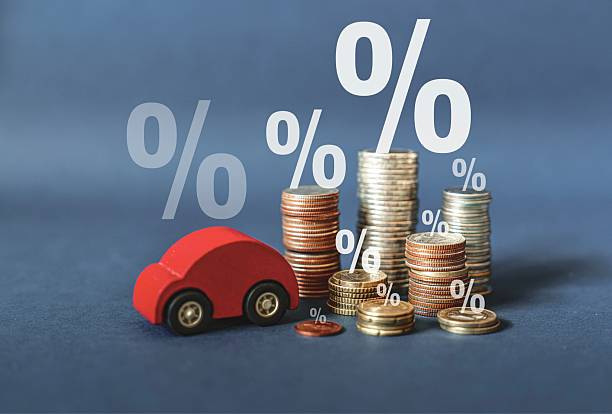
It started with the allure of the showroom and the seductive language of monthly payments. I walked in with a practical budget in mind, but the focus quickly shifted from the total cost of the vehicle to what I could “afford” each month. The salesperson, skilled in their craft, presented a figure that stretched my initial comfort zone but didn’t seem impossible. I fell into the classic trap of letting the monthly payment dictate the loan terms, rather than the other way around. By extending the loan to a lengthy seven-year term, they made the dream car appear within reach, obscuring the frightening total interest I would pay over that marathon period. In that moment, I financed my immediate desire with my future income, betting heavily on a stability I assumed was guaranteed.
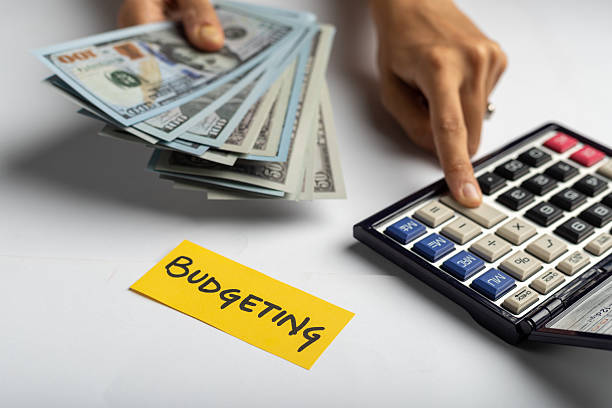
Compounding this was a failure to accurately account for the full ecosystem of car ownership. My budget calculations were laser-focused on the principal and interest payment, treating it as an isolated expense. I conveniently ignored the significant increases in insurance premiums for a newer, financed vehicle, the higher costs for premium fuel, and the inevitable maintenance, even if less frequent. These “hidden” costs slowly bled my monthly finances, making the already hefty loan payment feel even more burdensome. The car was no longer a single line item; it had become a sprawling category consuming resources I had allocated elsewhere.
Life, of course, is not a spreadsheet, and my personal circumstances shifted in ways I hadn’t anticipated. When I signed the paperwork, I was in a stable job with a clear path for growth. However, the economy had its own plans. A modest cost-of-living adjustment replaced the significant raise I had projected. An unexpected medical bill arose, and my living expenses crept upward with inflation. The large, fixed payment that was once tight but manageable became a source of constant stress. My debt-to-income ratio, a dry financial term I’d glossed over, became a vivid reality. The loan that was calculated on my peak earning potential was now being serviced by a reality of stagnant wages and rising costs, leaving me with little flexibility for savings or emergencies.
Underpinning all these practical missteps was a subtle psychological driver: the desire for a certain image. The car was more than transportation; it was a symbol of professional arrival and personal success. In a culture that often equates what you drive with who you are, I allowed external validation to influence an internal financial decision. I rationalized the expense as an investment in my career and self-esteem, not fully admitting that I was paying a steep premium for that feeling. This emotional investment made it harder to walk away from a bad financial deal, as my identity had become somewhat entangled with the metal and leather.
In the end, I became overextended not through one catastrophic error, but by a thousand small rationalizations. I prioritized monthly affordability over total cost, underestimated ancillary expenses, bet on a future income that didn’t materialize, and confused a depreciating asset with a personal milestone. The car now sits in my driveway, a daily reminder that financial commitments made in optimism must withstand the tests of an unpredictable reality. The road out of this overextension will be long and require discipline, but the first step was understanding how I got here—a map of missteps I hope others can use to navigate their own journey more wisely.