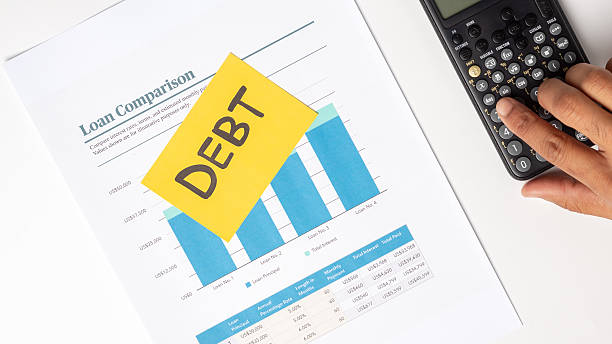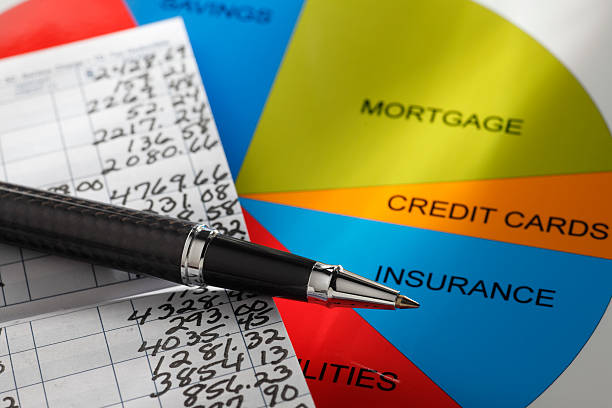
When you carry a balance on your credit cards month after month, you might think the biggest problem is the interest you pay. That is a real issue, yes. But there is a quieter, more insidious consequence that many middle-class consumers overlook until it is too late. That consequence is the slow, steady loss of financial flexibility. Flexibility is the ability to say yes to a new opportunity, to handle an unexpected expense without panic, or to pivot your life when circumstances change. When your credit card debt becomes a permanent part of your monthly budget, that flexibility starts to disappear.
Think about what happens when you have a credit card balance that you are paying down at the minimum payment level. Every month, a fixed chunk of your income is already spoken for. That money is not going into savings, investments, or even into the things you enjoy. It is simply going to service debt from purchases you made months or even years ago. This creates a monthly obligation that makes it harder to absorb new costs. A minor car repair, a sudden medical copay, or a higher-than-expected utility bill can become a crisis because your budget is already stretched thin. You might end up putting that new expense on another card, which only deepens the hole. Before long, you are living paycheck to paycheck not because your income is low, but because your past spending is eating up your present earnings.
This lack of flexibility also affects your career and life decisions. Imagine you are offered a job that pays slightly less now but has much better long-term growth potential. Without debt, you could take that risk. You could tighten your belt for six months and let the new career path pay off later. But if you have a large credit card payment due every month, you cannot afford the temporary drop in income. You are forced to stay in a job you do not like or that does not advance your goals, simply because you need the current paycheck to cover your debt. That is a huge hidden cost. Your credit card debt is not just costing you interest; it is costing you the chance to move forward in your career.
Another area where flexibility gets crushed is in housing. If you want to move to a cheaper apartment or a different city to reduce expenses, you might need a security deposit and first month’s rent. If your credit cards are maxed out, you likely do not have that cash available. You might also worry that a landlord will check your credit and see high utilization, which makes you look risky. So you stay put in a place that costs more than you want to pay, month after month. The same logic applies to buying a home. Even if you could qualify for a mortgage, your high credit card payments reduce the amount a lender is willing to give you. You end up with a smaller house or a worse interest rate, or you just never get started on building equity.
Then there is the matter of emergencies. Everyone knows they should have an emergency fund. But when you are paying hundreds of dollars a month toward credit card debt, building that fund feels impossible. You might tell yourself that you will just use the credit card if an emergency comes up. That is a dangerous trap. If you already owe money on the card, using it again means you are borrowing even more at high interest. The emergency becomes a long-term financial wound instead of a temporary setback. True financial flexibility means having cash on hand so that a crisis does not cascade into years of repayment.
Investing, too, becomes out of reach when your debt is eating up your cash flow. The stock market, retirement accounts, and even simple savings accounts offer growth. But if every extra dollar goes to Visa or Mastercard, you never get to participate in that growth. The opportunity cost is enormous. Over ten or twenty years, the money you spend on credit card interest could have been earning compound returns in a low-cost index fund. You are essentially paying to miss out on your own future wealth.
Perhaps the most frustrating part is that this slow erosion happens silently. You do not wake up one day and realize your flexibility is gone. It fades gradually. You stop thinking about taking a vacation because the debt eats the budget. You stop considering a side hustle that requires startup cash. You stop dreaming about buying a rental property or starting a small business. Your world shrinks to fit the payment schedule. And the worst part is that it feels normal. You convince yourself that everybody carries debt, that this is just how adult life works. But the truth is that debt is a choice, and the flexibility you lose is a cost you rarely measure.
The path back to flexibility is not complicated, but it is not easy either. It requires a deliberate plan to pay off the debt faster than the minimum, which means cutting expenses or increasing income for a focused period of time. It also means not taking on new debt while you are paying down the old. That might sound restrictive, but it is actually the opposite. Every dollar you apply to the debt is a dollar that buys back a piece of your future freedom. Once the balance is gone, that monthly payment becomes available for savings, investments, or simply the ability to say yes to life’s opportunities without hesitation. That is the real goal: not just being debt-free, but being flexible enough to handle whatever comes next.