Buy Now, Pay Later services have become a staple of online shopping. Companies like Afterpay, Klarna, and Affirm let you split a purchase into four equal payments, often interest-free if you pay on time. For a middle-class consumer, the appeal is obvious. You can get a pair of shoes, a new gadget, or a household item today without paying the full price upfront. But there is a hidden danger in this convenience. The very structure of these small, bite-sized payments can quietly erode your financial stability.
The problem starts with the psychology of small amounts. When you see a $40 charge every two weeks instead of a $160 total, your brain treats it as a minor expense. You tell yourself it is just a few dollars. But if you have four or five active Buy Now, Pay Later plans at once, those small charges add up quickly. A $40 payment here, a $30 payment there, and suddenly you are committing $150 to $200 every two weeks just to cover past purchases. This is money that could have gone toward savings, bills, or debt repayment. The middle-class consumer often has a tight budget, and these recurring mini-payments can crowd out other essentials without you even noticing.
Another issue is the illusion of flexibility. Buy Now, Pay Later services often market themselves as a way to “manage your cash flow.” The idea is that if you need a winter coat in October but won’t have the full amount until November, you can spread the cost. That sounds reasonable. But in practice, consumers use these plans for everyday items like clothing, takeout, or entertainment. You start using them for things you could have paid for in full if you simply waited a week. The convenience becomes a crutch, and you lose the discipline of delayed gratification.
Worse, many Buy Now, Pay Later apps have no hard credit check. This sounds like a perk, but it means there is no barrier to taking on more small debts. You can open multiple accounts with different providers, and none of them talk to each other. A person could have eight or ten active plans across four different apps, each with its own due date. Missing one payment can trigger late fees, and some providers report missed payments to credit bureaus. That can lower your credit score, making it harder to get a mortgage or car loan later.
The middle-class consumer is especially vulnerable because they often have enough income to cover small mistakes but not enough to absorb a cascade of missed payments. A single late fee of $10 or $15 is not a big deal. But if you miss two or three across different plans, plus interest on any deferred balance, you can quickly owe more than the original purchase price. Some Buy Now, Pay Later services charge up to 25% annual interest if you miss a payment or if you opt for a longer repayment plan. That is higher than most credit cards.
There is also the problem of tracking. With a credit card, you see one monthly statement. With Buy Now, Pay Later, you have multiple schedules. It is easy to lose track of what you owe and when it is due. A missed payment might slip your mind because you are focused on other bills. Then you face a late fee and a ding to your credit report. Over time, these small dings accumulate and harm your credit history.
To manage this, a middle-class consumer should treat Buy Now, Pay Later like any other debt. Set a monthly limit on how much you will use it. Keep a running list in a notes app or a spreadsheet of every active plan, including the amount, due date, and remaining balance. Never open a new plan if you already have two or three active ones. Pay off each plan as soon as you can, even if it means paying a bit early. And most importantly, only use Buy Now, Pay Later for planned larger purchases that you truly need, not for impulse buys.
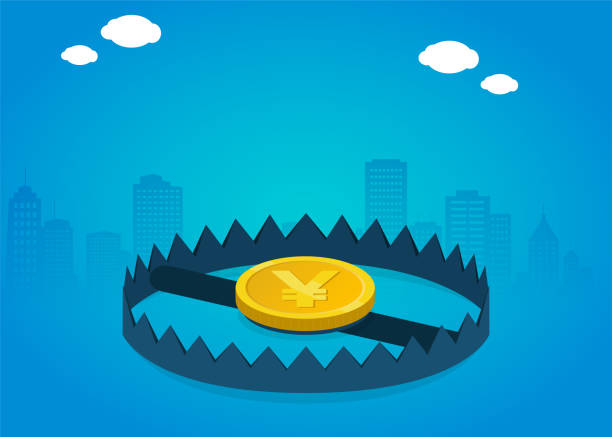
The real danger is not the individual purchase but the habit. When you train yourself to think of small, delayed payments as harmless, you lose the ability to see the big picture. Your monthly cash flow becomes fragmented, and your spending creeps upward. What started as a smart way to manage a one-time expense turns into a permanent drain on your budget. For the middle-class consumer, the path out of this trap begins with awareness. Know what you owe, limit how much you borrow, and always ask yourself: Would I buy this if I had to pay the full amount right now? If the answer is no, you are better off waiting.