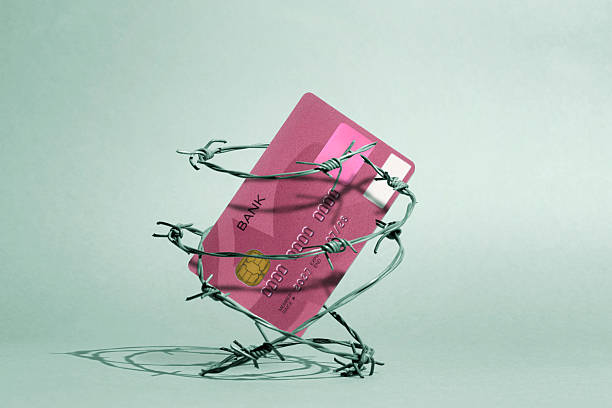
When you walk into a hospital or a dental office for an unexpected procedure, the last thing on your mind is how you will pay for it. But somewhere between the waiting room and the billing desk, many middle-class consumers are handed a seemingly simple solution: a medical credit card. These cards, often offered right at the provider’s office, promise zero-interest financing for a limited time. They look like an easy way to cover a sudden bill without draining your emergency fund. However, for a growing number of people, medical credit cards become the first step into overextended debt that is hard to escape.
Medical credit cards work like store-brand cards, but they are tied to healthcare expenses. Companies such as CareCredit and other specialty lenders partner with doctors, dentists, and even veterinarians to offer instant credit. You apply on the spot, get approved within minutes, and pay for your procedure using that card. The pitch is appealing: if you pay off the balance within a promotional period—often six, twelve, or eighteen months—you owe no interest. For a middle-class household facing a $3,000 dental bill or a $5,000 surgery copay, that sounds like free money.
The trouble begins when the promotional period ends. Most medical credit cards operate on what is called deferred interest. This is not the same as zero percent interest. If you fail to pay the full balance before the deadline, interest is charged retroactively on the entire original amount, not just the remaining balance. That means a $4,000 bill that you paid down to $500 can suddenly balloon with months of backdated interest at rates that often exceed twenty-five percent. Many consumers do not realize this until the bill arrives and their manageable debt has turned into a crushing burden.
Another hidden risk is that medical credit cards are not protected by the same consumer safeguards as regular credit cards. For example, if you dispute a charge for a medical service that was never performed or was unsatisfactory, your protection under federal law is limited. The card issuer is a specialized lender, not a general-purpose bank, so the rules for disputing errors are weaker. If a billing dispute arises with your provider, you may have to pay the card anyway while you fight the hospital. This can quickly push you into overextended territory.
Beyond the fine print, medical credit cards also encourage people to take on more healthcare debt than they originally planned. Because the card is open-ended, you can use it again for future visits. A consumer who pays off one dental procedure with a card may then use the same card for a follow-up or for a family member’s treatment. Before long, the balance grows across multiple charges, all under the same promotional deadline. If you lose track of which charges expire when, or if you simply cannot pay everything off at once, you end up owing interest on multiple high-cost purchases.
The middle-class consumer is especially vulnerable here. Wealthier households can often pay medical bills outright or use a regular credit card with a lower interest rate. Lower-income households may qualify for charity care or public assistance. But middle-class families often earn too much for financial aid and too little to absorb unexpected medical costs. They fall into the gap where medical credit cards seem like the only option. And because they are generally responsible borrowers, they assume they will be able to pay on time. Life, however, does not always cooperate. A job loss, a car repair, or another emergency can derail the repayment plan. Once the promotional period ends, the debt becomes overextended quickly.
One study by the Consumer Financial Protection Bureau found that more than half of all medical credit card users did not fully pay off their promotional balances within the time limit. That means most people who choose these cards end up paying retroactive interest. The average deferred interest charge can be hundreds or even thousands of dollars, turning a manageable medical bill into a long-term drain on family finances.
If you already carry medical debt from a credit card, you are not alone. The key to avoiding overextension is to treat any promotional financing with skepticism. Ask yourself whether you can realistically pay the full balance before the deadline. If there is any doubt, consider alternative options: negotiate a payment plan directly with the hospital, use a low-interest personal loan, or simply ask for a discount for paying in cash. Many providers offer reduced rates to patients who do not use third-party financing.
Ultimately, medical credit cards are not inherently evil, but they are designed to profit from human optimism and financial uncertainty. For a middle-class consumer managing credit wisely, the safest move is to remember that free money almost always comes with a hidden price. When that price catches up with you, healthcare debt becomes just another weight that pulls your finances off balance.