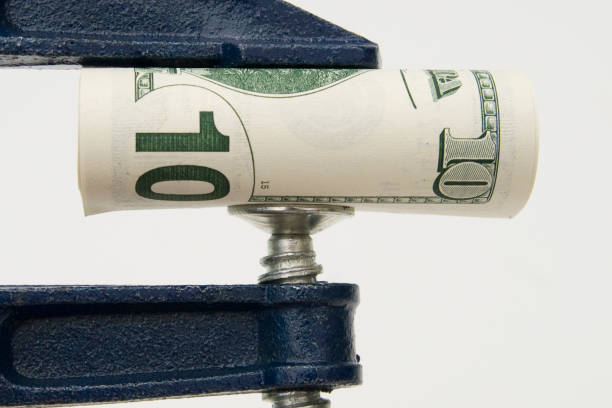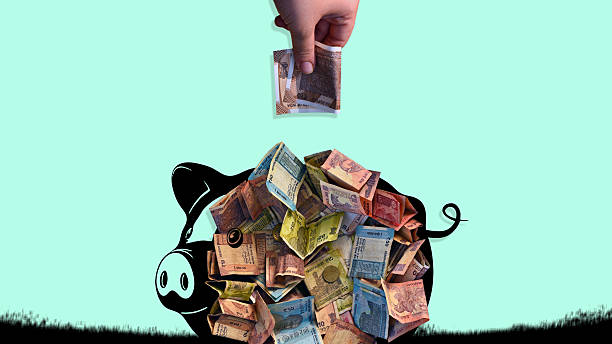
Most middle-class families live with a silent assumption: that a sudden $500 or $1,000 expense can be absorbed without much pain. The car needs a new transmission. The roof starts leaking. The dog swallows something it shouldn’t. These events feel rare, but they are not. The average household faces at least one unplanned cost of this size every year. When there is no emergency fund sitting in a savings account, the only tool left is the credit card. That choice, made once or twice, often becomes the first step down a very long and expensive road.
Using a credit card to cover an emergency seems practical at the moment. You pay the bill, you keep your life moving, and you tell yourself you will pay off the card before interest piles up. But the math rarely works that way. A $1,200 emergency on a card with a 22 percent annual rate, making only the minimum payment, takes years to clear and costs hundreds in interest. Meanwhile, that monthly payment eats into the money you would have used to build savings for the next emergency. So the next time something breaks, you reach for the card again. The balance grows. Your credit utilization ratio, which compares how much you owe to your total credit limit, climbs above 30 percent. That single number drags down your credit score faster than almost anything else. You did not make a foolish purchase or miss a payment. You simply lacked a cushion, and the credit system turned that lack into a permanent mark against you.
The cruel part is that people with weak emergency funds do not usually qualify for low-interest cards or personal loans. They are offered cards with high rates and low limits, meaning even a modest emergency pushes utilization to dangerous levels. A $500 repair on a $1,500 limit card instantly puts you at 33 percent utilization. Your score drops. When your score drops, you lose access to better terms on auto loans or mortgages. You might even see your insurance premiums rise, because many insurers use credit-based scores to set rates. So a single flat tire, in the broadest sense, begins to cost you not just the tire but also thousands of dollars in higher borrowing costs over the next several years. This is not about financial irresponsibility. It is about the absence of a simple buffer that most middle-class households never built because no one told them how crucial it is.
The common advice to save three to six months of expenses feels impossible when you are already living paycheck to paycheck. But that advice is aimed at protecting a lifestyle, not preventing a crisis. For a middle-class consumer, the real defense against credit damage is a much smaller target: a starter emergency fund of $1,000, and then perhaps $2,000 as your income allows. This amount will not cover a six-month job loss. It will cover the tow truck, the urgent care visit, or the new water heater. Think of it as insurance for your credit score. Once that money is in a separate account, you no longer need to swipe a card for unexpected expenses. You write a check or transfer from savings, and your credit utilization stays low. Your score remains stable, and your monthly budget does not absorb a new minimum payment.
Building that fund requires a temporary change in behavior. You skip the takeout for two months. You pause your streaming subscriptions. You sell an old bike. For a household earning $60,000 to $100,000, finding $1,000 is a matter of discipline, not magic. The trouble is that middle-class pride often keeps people from acting like they are in crisis when they are not yet in one. They keep up appearances, pay for everything with plastic, and tell themselves they will save later. Later never comes because the credit card payments from last year’s emergency are still due.
What makes the lack of emergency funds so damaging is that it converts every minor setback into a long-term credit problem. A person with $2,000 in savings who gets a $1,500 medical bill pays it and moves on. A person without that savings puts the bill on a card, watches their utilization jump, and then spends the next five years paying interest on a procedure that should have cost $1,500 but ends up costing $2,400. The credit score drops, which raises the rate on their auto loan refinance, which costs another $700. The chain reaction is invisible but relentless. And it all traces back to not having a few thousand dollars parked in an ordinary savings account.
There is no way around this truth: credit is a useful tool, but it is a terrible emergency plan. When you use credit as your safety net, you are borrowing from your future self at high interest rates, and you are handing lenders the data they use to brand you as a risk. A middle-class household with a decent income can still have a poor credit score solely because of repeated small emergencies that were never covered by savings. The fix is not a higher income. It is a dedicated fund, built slowly if necessary, that you never touch except for genuine crises. Once that fund exists, your credit score reflects your actual behavior, not your bad luck. And for the middle-class consumer, that separation is the difference between financial stability and a decades-long spiral of fees, higher rates, and missed opportunities.