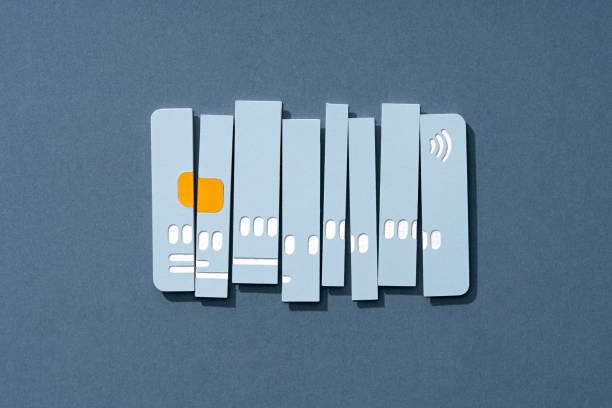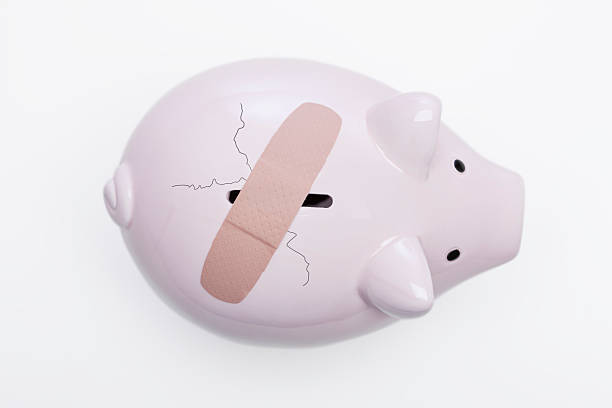
When your credit card balance gets close to the limit, it feels like a temporary problem. You tell yourself you will pay it down soon, maybe with your next paycheck or after the holidays. But maxing out your cards is not just about the interest you will owe. It quietly changes how much freedom you have with your money in the short term. This is called reduced financial flexibility, and it can affect decisions you make every day, from filling up your gas tank to accepting a new job across town.
The first thing that happens when you carry a maxed-out card is that lenders start seeing you differently. They look at your credit utilization ratio, which is simply how much of your available credit you are actually using. If you have a five-thousand-dollar limit and your balance is forty-five hundred dollars, you are using ninety percent of that credit. That is a strong signal to lenders that you are under stress, even if you have never missed a payment. Because of that signal, your credit score drops. A lower score means that when you need a new loan or a higher credit limit, you may be rejected or offered worse terms. That is a direct hit to your flexibility.
Consider a few everyday situations. You might need to refinance your car to lower your monthly payment. The bank looks at your credit score, sees your maxed-out cards, and offers you an interest rate that is two or three points higher than what a person with healthy credit would get. You may still take the deal because you need the cash flow, but you end up paying thousands more over the life of the loan. Or suppose you are moving to a new apartment. Landlords often run credit checks, and a high balance can make them ask for a larger security deposit or even deny your application. You then have to settle for a place that costs more or is farther from your job. Both outcomes reduce your ability to make choices that work best for you.
Another overlooked consequence is that a near-limit balance leaves you with no room to handle emergencies. You are driving to work, and your brakes give out. The repair costs four hundred dollars. Your card has only fifty dollars of available credit left. You cannot put the repair on the card without going over the limit and paying a fee. So you have to borrow from a friend, use a high-cost payday lender, or skip the repair and take a risk. None of those options are good. Your financial flexibility shrinks precisely when you need it most, and that can push you into a cycle of more expensive choices.
The minimum payment trap also becomes more punishing. When your balance is high, the minimum payment is higher too, but it still barely covers the interest that is accruing. You pay and pay, and the principal barely moves. Meanwhile, any small extra purchase, even a coffee or a grocery run, can push you over your limit, triggering an over-limit fee. That fee eats into your budget, making it even harder to make headway. You end up with less money for savings, for investing, or for simply enjoying your life. The longer you stay in this position, the more your options narrow.
There is also a quieter effect on your daily mindset. When you know you have almost no available credit, you become more cautious about any spending. That is not always a bad thing, but it can go too far. You might delay buying new tires for your car or skip a dentist appointment because you are scared of the bill. Those small delays often turn into much bigger costs later. Reduced financial flexibility is not just about what you can borrow. It is about how you live, how you plan, and how you handle the normal surprises that come with being a middle-class household.
For someone with a steady income and a home, financial flexibility is the cushion that lets you say yes to a good opportunity or say no to a bad deal. Maxing out your cards erodes that cushion. It also affects your ability to take advantage of chances that come your way. Maybe you learn about an investment opportunity or a side business that could bring in extra income, but you cannot borrow the start-up money because your credit is maxed. Maybe you are offered a better job that requires a short period of unpaid training, but you cannot accept it because you have no credit card buffer to cover your expenses. Every door that closes is a reduction in your freedom.
The good news is that this situation is not permanent. The best way to protect your flexibility is to keep your credit card balances well below your limits. A common guideline is to use less than thirty percent of your available credit, which means on a five-thousand-dollar card you would keep your balance under fifteen hundred dollars. That is not a hard rule, but it signals to lenders that you are in control. More importantly, it gives you room to breathe. When you have available credit, you have choices. When your cards are maxed, you are trapped. The unexpected consequences are not just financial. They are practical, personal, and long-lasting, and they touch every part of your daily life.