If you are a middle-class consumer who has been using credit cards to cover everyday expenses or unexpected bills, you might eventually find yourself struggling to keep up with minimum payments. The interest charges pile up, late fees appear, and soon you are juggling multiple creditors while your credit score takes a hit. Before you consider bankruptcy or a for-profit debt settlement company, there is a safer, more structured option: a Debt Management Plan offered by a non-profit credit counseling agency. These plans are designed to help you pay off your unsecured debts in full, but at a reduced interest rate and with a single monthly payment. This article explains how they work, what to expect, and why they fit into a larger strategy of preventing further financial trouble.
A Debt Management Plan, often called a DMP, is not a loan. You do not borrow money. Instead, you work with a non-profit credit counseling agency that negotiates with your creditors on your behalf. The agency asks your credit card companies to lower your interest rates, waive late fees, and sometimes even reduce the total amount you owe. In exchange, you agree to close your credit card accounts and make one monthly payment to the counseling agency. The agency then distributes that money to each of your creditors according to a schedule. Typically, the plan lasts three to five years, and during that time you are expected to stop using credit cards entirely.
The key advantage of using a non-profit agency is that they have established relationships with most major credit card issuers. These creditors participate in DMPs because they would rather receive a steady, predictable payment than risk you defaulting completely. For you, the benefit is immediate: your monthly payment becomes lower than the sum of your individual minimum payments, and you stop accruing high-interest charges. This can free up cash flow, allowing you to focus on other financial goals such as building an emergency fund or saving for retirement.
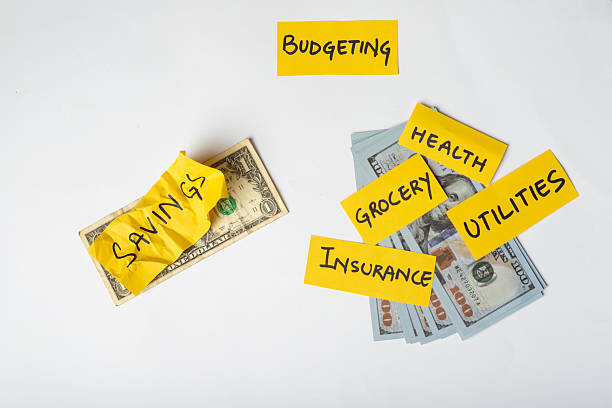
But a Debt Management Plan is not a magic fix. It only works if you have a steady income that can cover the reduced monthly payment. The agency will review your budget to make sure you can realistically afford the plan. If your income is too low or your expenses are too high, they may suggest other options first, such as increasing your income or cutting discretionary spending. Also, enrolling in a DMP will show up on your credit report. Creditors may view it as a sign that you had trouble managing your debts, so your credit score might drop initially. However, as you make consistent on-time payments, your score can recover over time. Many people find that a DMP is less damaging to their credit than bankruptcy or collections.
Another important point: not all debts are eligible. A Debt Management Plan typically covers unsecured debts like credit cards, medical bills, and personal loans. Mortgages, car loans, and student loans are not included. If you have secured debt, you will need to handle those separately. Also, you should be aware that some creditors may refuse to lower your interest rate, especially if your debts are very small or very recent. The counseling agency will tell you up front which accounts are likely to be accepted.
For the middle-class consumer, a DMP is part of a broader prevention strategy. The goal is to stop the cycle of debt before it spirals out of control. By entering a plan, you commit to living without credit cards for several years. That forces you to use cash or debit, which can be a tough adjustment but also a healthy habit. Many non-profit agencies also offer free educational resources, such as budgeting workshops and credit report review sessions. These tools help you understand why you got into debt and how to avoid it in the future.
One common misconception is that non-profit credit counseling is the same as for-profit debt settlement. It is not. For-profit companies often charge high fees and encourage you to stop paying your bills entirely, hoping to force a settlement for less than you owe. That approach can ruin your credit, lead to lawsuits, and leave you with tax consequences. A non-profit DMP, on the other hand, requires you to pay the full amount you owe, just at a lower interest rate. The fees are usually modest, often an initial setup fee of around thirty to fifty dollars and a monthly maintenance fee of twenty to thirty dollars. Some agencies waive fees for people with very low income.
If you are considering a DMP, start by finding a reputable non-profit credit counseling agency. Look for one that is accredited by the National Foundation for Credit Counseling or the Financial Counseling Association of America. Avoid any agency that pressures you to sign up immediately or promises to erase your debts. A legitimate counselor will spend at least thirty minutes reviewing your financial situation with no obligation.
In summary, a Debt Management Plan through a non-profit agency can be a practical, middle-ground solution for middle-class consumers who want to repay their debts without bankruptcy. It lowers your interest rates, simplifies your payments, and provides structure. The trade-off is that you must give up credit cards for several years and accept a temporary hit to your credit. But for many people, that is a small price to pay for getting out of debt and staying out. The true prevention comes from the habits you build during the plan: living within your means, saving for emergencies, and avoiding the temptation of easy credit. That is the ultimate goal.