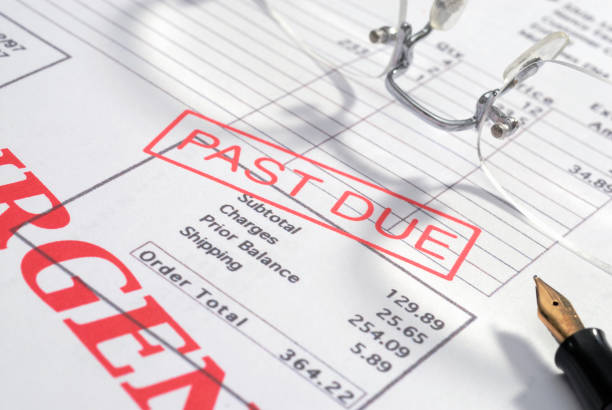
Debt settlement, often referred to as debt negotiation or debt resolution, is a financial strategy where a debtor negotiates with creditors to pay a lump sum that is less than the total amount owed to satisfy and close an existing debt. This process is fundamentally distinct from debt consolidation or management, as it aims not to reorganize payments but to reduce the principal balance itself. It is a course of action typically pursued by individuals facing significant financial hardship, where repaying the full debt has become unfeasible, and bankruptcy looms as a potential but undesirable alternative. While it can offer a lifeline, debt settlement is a complex procedure with serious ramifications that must be thoroughly understood before proceeding.
The mechanics of debt settlement generally follow a recognizable pattern. An individual, often overwhelmed by unsecured debts such as credit card balances, medical bills, or personal loans, may choose to undertake negotiations themselves or enlist a for-profit debt settlement company. When using a company, the client is usually instructed to stop making payments to their creditors and instead begin depositing money into a dedicated savings account. The settlement firm then uses this accumulating fund as leverage to negotiate with creditors, offering a one-time, discounted payment to settle the account. For example, a $10,000 credit card debt might be settled for a $5,000 lump sum payment. If successful, the creditor agrees to accept this payment as full satisfaction of the debt, and the account is closed.
The primary and most compelling advantage of debt settlement is the potential for substantial savings on the total debt owed. Successfully negotiated settlements can cut debts by forty to sixty percent, providing a tangible exit from a seemingly insurmountable financial burden. It can avert the need for bankruptcy, which carries a more severe and long-lasting impact on one’s credit history. For those with no other viable options, settlement can provide a structured path to becoming debt-free in a shorter timeframe than making minimum payments, which might otherwise take decades due to accruing interest.
However, these potential benefits come at a significant cost and carry considerable risks. The process is notoriously damaging to an individual’s credit score. As the debtor must typically become severely delinquent on payments—often 90 to 180 days past due—before a creditor will entertain a settlement offer, this delinquency is reported to credit bureaus, causing a sharp decline in credit ratings. Furthermore, there are tax implications to consider; the Internal Revenue Service generally considers any forgiven debt over $600 as taxable income, which could lead to an unexpected tax liability. Additionally, creditors are under no obligation to negotiate, and they may instead choose to escalate collection efforts or file a lawsuit to obtain a judgment, potentially leading to wage garnishment.
It is also crucial to approach debt settlement companies with extreme caution. The industry has been scrutinized for predatory practices, including charging high upfront fees, making unrealistic promises, and failing to deliver results. Before engaging any service, thorough research into the company’s reputation, fee structure, and success rates is imperative. In many cases, consulting a non-profit credit counseling agency first is a wiser initial step, as they can provide a full assessment of one’s financial situation and may offer a debt management plan as a less damaging alternative.
In essence, debt settlement is a double-edged sword. It is a legitimate, last-resort strategy for resolving unmanageable unsecured debt by paying less than what is owed. It can provide a fresh start for those drowning in financial obligations, but it is not a quick or easy fix. The path involves deliberate damage to one’s credit, potential tax consequences, and the risk of legal action. Therefore, it should only be considered after careful evaluation of all other options and with a clear-eyed understanding of the trade-offs involved, ideally with guidance from a reputable financial advisor or attorney. It is a tool for financial recovery, but one that must be used with caution and full awareness of its profound consequences.