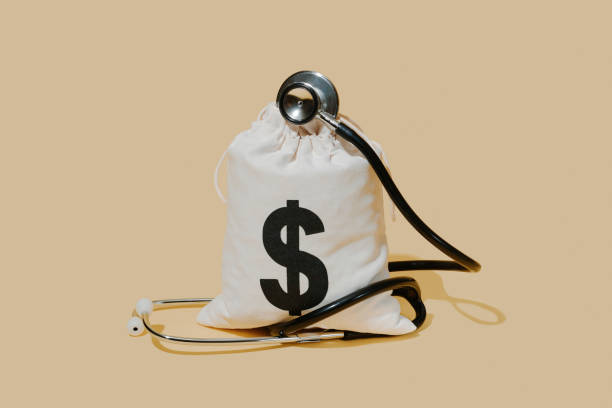
A medical crisis can upend your finances faster than almost any other emergency. Even with health insurance, a single hospital stay or a serious diagnosis can leave you with thousands of dollars in out-of-pocket costs. When those bills pile up, they don’t just strain your budget—they can wreck your credit score. And a damaged credit score makes everything harder: getting a car loan, renting an apartment, or even landing a job. The good news is that medical debt works differently from other types of debt, and there are concrete steps you can take to protect your credit before and after a health emergency.
First, you need to understand how medical debt shows up on your credit report. Unlike credit card or loan payments, medical bills are not automatically reported to the three major credit bureaus. A hospital or doctor’s office typically has to send your account to a collection agency before it appears on your credit report. That collection account can then stay on your report for up to seven years, even if you eventually pay it off. The damage happens quickly: a single collection account can drop your credit score by 100 points or more. For a middle-class family trying to maintain a good credit rating, that’s a gut punch.
But here is the part many people don’t realize: medical debt is more forgiving than other types of debt. In recent years, the major credit bureaus have changed how they handle medical collections. For example, paid medical collections are now removed from your credit report—unpaid collections from other sources often stay for seven years even after you pay them. Unpaid medical collections under $500 also do not appear on your report at all. This means smaller bills, like a copay or a lab fee, are less likely to drag down your score. However, a large hospital bill of several thousand dollars can still cause serious harm.
So what should you do if a medical crisis hits? The most important step is to avoid ignoring the bills. Medical billing is notoriously confusing and error-prone. Studies have found that as many as 80 percent of hospital bills contain mistakes. You might be charged for a test you never received, a room you never stayed in, or a procedure that was covered by insurance. Before you pay anything, request an itemized bill from the hospital or provider. Compare it with your insurance explanation of benefits. If you find a charge that doesn’t make sense, call the billing department and ask for a correction. This can often reduce your total bill significantly.
Next, do not assume you have to pay the full amount immediately. Hospitals and doctors are often willing to negotiate. If you cannot afford the bill, call and explain your situation. Ask if they offer a hardship discount or a payment plan with no interest. Many nonprofit hospitals are required by law to offer financial assistance to patients who meet certain income guidelines. Even if you think you earn too much, it is worth asking. The worst they can say is no, and you might be surprised at how flexible they can be when you are polite and persistent.
If the bill goes to a collection agency, do not panic. You still have leverage. Collection agencies buy debt for pennies on the dollar, so they will often settle for less than the full amount. Offer a lump sum payment of 30 to 50 percent of the bill in exchange for deleting the collection from your credit report. Get any agreement in writing before you send a dime. And do not make a partial payment until you have a written promise that the collection will be removed. Otherwise, the account stays on your report and continues to hurt your score.
Another powerful tactic is to use the credit bureaus’ dispute process. If a medical collection appears on your report, you can dispute it directly with Equifax, Experian, and TransUnion. The agency has to verify the debt. If they cannot provide proper documentation within 30 days, the item must be removed. Because medical billing records are often sloppy, many collections fail this test. Even if the debt is legitimate, the dispute process can buy you time to negotiate a settlement.
Prevention is also part of the picture. If you have a high-deductible health plan, consider opening a Health Savings Account (HSA) if you are eligible. Contributions are tax-free, and you can use the money for medical expenses. An HSA can act as a financial cushion that keeps small medical bills from turning into credit disasters. Similarly, keep an emergency fund of at least three to six months of expenses. A medical crisis is less likely to derail your credit if you have cash set aside for exactly that kind of situation.
Finally, know your rights. Under the Fair Debt Collection Practices Act, debt collectors cannot harass you, call you at odd hours, or threaten you with things they cannot legally do. If a collector crosses the line, you can file a complaint with the Consumer Financial Protection Bureau. The CFPB has also proposed new rules that would remove medical debt from credit reports entirely. While those rules are not yet final, the regulatory environment is shifting in favor of consumers.
Medical debt is scary, but it does not have to ruin your credit for years. By checking your bills for errors, negotiating with providers, settling with collectors strategically, and using the dispute process, you can limit the damage. And by planning ahead with an HSA and an emergency fund, you can reduce the chance that a health crisis becomes a credit crisis in the first place. Your health is the priority, but your credit matters too. Handle medical bills the same way you handle a treatment plan—with attention, persistence, and a willingness to ask for help.