If you are trying to improve your credit score, you have probably heard that it matters how much of your available credit you are using. That number is called your credit utilization ratio, and it compares your total credit card balances to your total credit limits. A common rule of thumb is to keep this ratio below thirty percent. But a less understood part of the equation is timing. When exactly does the number that credit scoring models see actually change? The short answer is that your utilization updates whenever your credit card issuer reports your balance to the credit bureaus. That reporting usually happens once a month, often on your statement closing date. But there is more to it than that, and knowing how this works can help you use your credit more wisely.
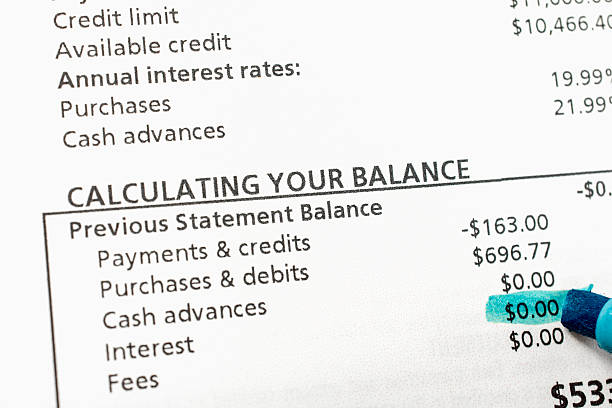
Most people assume that paying down a card during the month will immediately lower their utilization. That is not how it works in practice. Your card issuer does not send real-time updates to the credit bureaus every time you make a payment or a purchase. Instead, they send a snapshot of your account at a specific point in time. For most issuers, that snapshot is taken on the day your monthly statement is generated. That balance then gets passed along to the three major credit bureaus: Experian, Equifax, and TransUnion. The bureaus store that snapshot, and your credit score is calculated based on the most recent snapshot they have on file. So if you pay off your entire balance a week after your statement date, the lower balance will not show up until the next reporting cycle. Until then, the credit bureaus think you are still carrying the higher balance.
This timing issue creates a common problem. Say you use a credit card heavily during the month and then pay off the full balance by the due date. You avoid interest, and you feel good about your money management. But if your statement was generated before you made that large payment, the reported balance could be very high. That high balance hits your credit report even though you cleared it a few days later. As a result, your credit utilization ratio looks worse than it actually is for that month. The good news is that utilization has no memory. It does not stay on your report like a late payment. Once the next statement cycle reports a lower balance, your utilization drops, and your score typically recovers. Still, if you are planning to apply for a loan or a new credit card in the near future, you want that snapshot to look as good as possible.
You can take control of this timing by paying attention to your statement closing date, not just your due date. Statement closing date is when the issuer finalizes your balance for the month. If you want the reported balance to be low, you need to make a payment before that closing date. Many people find it helpful to make an extra payment a few days before closing, especially if they have used a large chunk of their credit limit during the billing cycle. That extra payment reduces the balance that gets reported. Then, after the closing date, they can use the card again without hurting their utilization for that reporting period. This strategy is sometimes called the early payment method, and it can be particularly useful if you are about to apply for credit or if you need to free up some utilization headroom.
Another important point is that not all credit cards report on the same day of the month. Some issuers use the last day of the billing cycle, which is usually the same day every month. Others might use a slightly different schedule. You can find out your statement closing date by logging into your account or looking at your most recent statement. A simple call to your card issuer can also confirm when they send data to the credit bureaus. Once you know that date, you can plan your payments accordingly.
Also keep in mind that if you have multiple credit cards, each one has its own reporting schedule. Your overall utilization is based on the sum of all your card balances and the sum of all your limits. So even if one card reports a low balance, another card reporting a high balance can push your total ratio up. To manage your overall utilization, you need to think about every card and when each one reports.
One more nuance: your credit card limit can also change. If you request a credit limit increase, that new, higher limit will not be reflected on your credit report until the next time your issuer reports. The same goes for closing a card. Closing a card reduces your total available credit, which can immediately raise your utilization ratio, even if you do not spend a single dollar more. Because that change also gets reported on the next cycle, you should be careful about closing cards right before a major credit application.
In short, your credit utilization ratio updates once per month, based on the balance your issuer reports, usually at the statement closing date. Your spending and payments throughout the month only matter to your credit score to the extent that they affect that reported balance. To keep your utilization looking good, focus on the timing of your payments relative to your statement date, not your due date. A little planning can make a meaningful difference in your credit score, especially when you need it most.