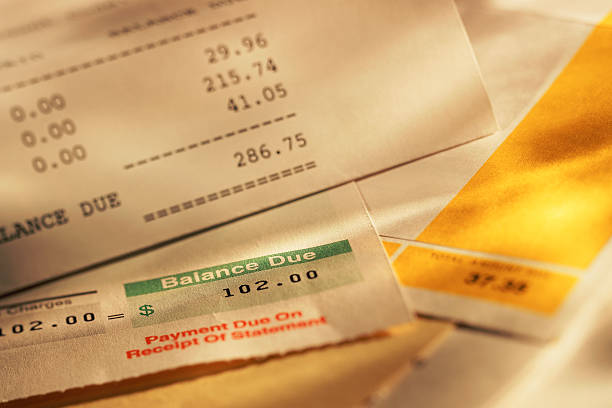
You have a steady job, a reasonable credit score, and you pay your bills on time every month. Then one Thursday your car won’t start. The mechanic says you need a new transmission. The bill is two thousand dollars. You don’t have two thousand dollars in your checking account, and your savings account is practically empty. So you swipe a credit card. Suddenly, you are carrying a balance you never planned for. That single unexpected expense does more than just dent your budget. It can set off a chain reaction that drags down your credit score, costs you hundreds in interest, and makes it harder to get a loan or a new apartment for years.
This scenario is the core reason why a lack of emergency funds is one of the most dangerous contributing factors to credit trouble for middle-class consumers. Without a cash cushion, any moderately sized surprise – a medical bill, a home repair, a job loss that lasts only a few weeks – forces you to rely on borrowed money. And borrowed money, when you use it under pressure, almost always comes with a high price.
The most immediate damage happens to your credit utilization ratio. This is the percentage of your total available credit that you are actually using. Credit scoring models consider this the second most important factor in your score, right behind payment history. A healthy utilization ratio is generally under thirty percent. If you have a total credit limit of ten thousand dollars across all your cards, you want to carry a balance of no more than three thousand dollars. Now picture this: before the car repair, you had a two thousand dollar balance on one card with a five thousand dollar limit. You were at forty percent utilization, which already hurts your score. Swiping that two thousand dollar repair pushes your balance to four thousand, and your utilization jumps to eighty percent. Your score can drop fifty to one hundred points in a single month.
This sudden drop matters because it affects your future borrowing costs. If you need a car loan or a mortgage in the next year, that lower score means a higher interest rate. On a thirty-year mortgage, even a one percent rate increase can cost you tens of thousands of dollars in extra payments. The emergency itself was expensive, but the credit score fallout multiplies the cost.
The chain reaction does not stop there. Once you are carrying a larger balance, the monthly minimum payment rises. That leaves you with less cash for everyday expenses, so you might put more on credit, digging the hole deeper. You might also start paying only the minimum on other cards, which triggers interest charges on new purchases because you lose the grace period. Before long, you are in a cycle of revolving debt that feels impossible to escape. And if you miss a payment because you forgot, or because you had to choose between the credit card bill and rent, the damage becomes permanent. A single late payment stays on your credit report for seven years.
Middle-class consumers often assume that a lack of emergency funds is a problem only for people living paycheck to paycheck. In reality, many people with above-average incomes also have very little savings. A Federal Reserve survey a few years ago found that nearly forty percent of American adults would struggle to cover a four hundred dollar emergency with cash. That includes plenty of white-collar professionals who otherwise manage their finances well. The problem is not a lack of income – it is a lack of planning for the inevitable.
The solution is not to avoid credit cards entirely. Credit cards are useful tools when used deliberately. But you cannot use them thoughtfully when you have no other option. The goal is to build a small emergency fund, even if it starts at five hundred dollars. That amount covers a minor car repair or a doctor’s copay without touching a credit card. Then aim for one month of essential expenses, then three months. Every dollar in that fund is a dollar you will not have to borrow at high interest rates.
The psychological benefit is just as important as the financial one. Knowing you have money set aside reduces the panic that leads to poor decisions. You can negotiate with the mechanic or the hospital instead of agreeing to any payment just to make the problem go away. You can take a few days to research the best card to use or ask for a payment plan. A calm, deliberate choice almost always leads to a better outcome than a rushed, desperate one.
In the end, not having an emergency fund is not just about being unprepared for a rainy day. It is about handing your credit score over to chance. You let the first pothole in the road dictate your financial future. Building even a modest safety net gives you back that control. And control over your credit is what keeps the door open to better interest rates, better housing, and better opportunities.