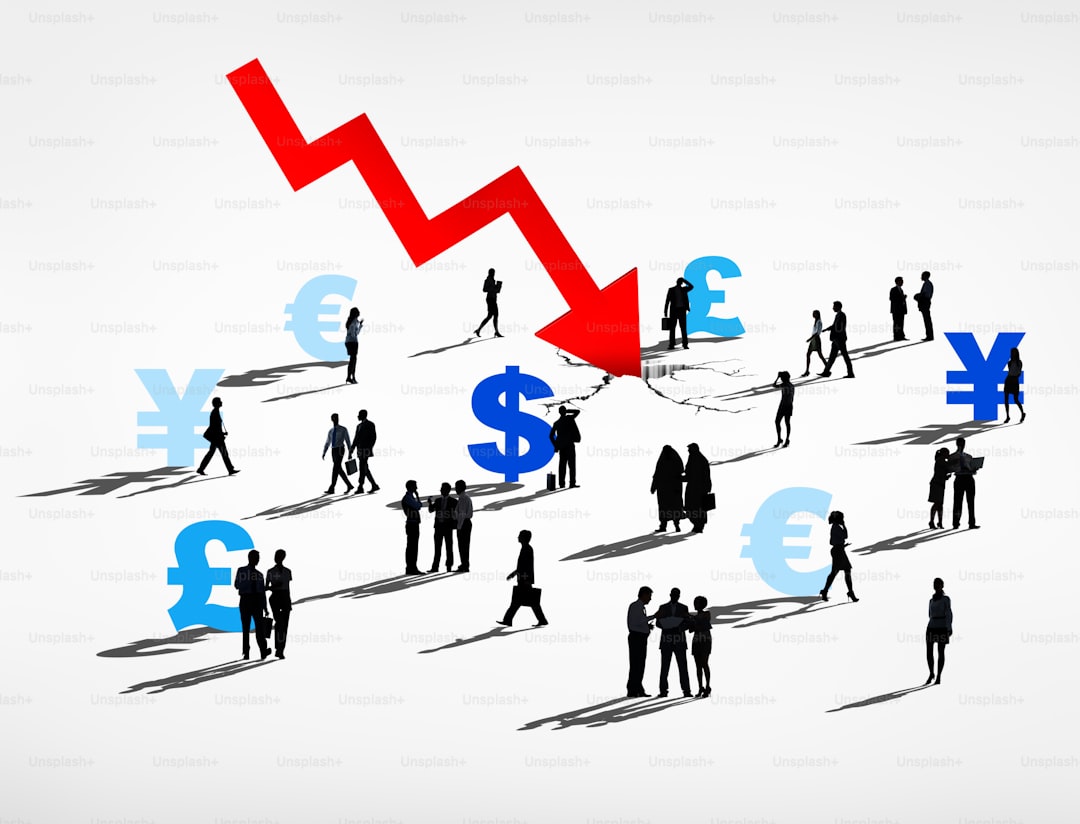
An income shock—whether from job loss, a medical crisis, or a major home repair—can feel like a financial earthquake, shaking the very foundation of one’s stability. In the immediate scramble for liquidity, the retirement account often glimmers as a tempting reservoir of funds. However, tapping into these savings is a decision of profound consequence, one that should be approached not as a first resort but as a carefully considered last line of defense, deployed only when specific conditions are met and all other avenues have been exhausted.
The primary reason for this extreme caution is the powerful, often irreversible, financial damage caused by early withdrawals. Retirement accounts are not simple savings vehicles; they are long-term compounding engines. Removing funds, especially during one’s prime earning years, doesn’t just deplete a current balance. It steals from one’s future self by eliminating decades of potential tax-advantaged growth. Furthermore, if the funds are in a traditional 401(k) or IRA, withdrawals before age 59½ typically trigger a ten percent early withdrawal penalty on top of ordinary income taxes, effectively making it a high-interest loan from one’s own future. Therefore, the guiding principle must be that retirement funds should only be considered when the income shock threatens an essential, non-negotiable need: the security of one’s home, the health and safety of one’s family, or the ability to meet absolute basic living expenses.
Before this point is reached, a systematic evaluation of all other resources is imperative. This begins with an immediate assessment of any available emergency fund, which is precisely the purpose such a fund serves. Following that, one must scrutinize all non-retirement liquid assets, such as savings accounts or taxable investment accounts. The next step involves exploring all potential sources of replacement income or assistance, including unemployment benefits, side gigs, or temporary work. Concurrently, a rigorous review of all discretionary spending is necessary to create a survival budget, eliminating every possible expense. Contacting creditors and service providers to negotiate payment plans, deferrals, or reduced rates can also provide crucial breathing room. Only after these steps have been thoroughly pursued should the retirement account even enter the conversation.
If, after this exhaustive process, a severe shortfall for essential needs remains, then considering retirement funds becomes a tragic necessity. Even then, the method of access is critical. If the plan allows, a 401(k) loan may be a preferable option to a withdrawal, as it avoids penalties and taxes if repaid on schedule. However, this carries the risk of a loan becoming a taxable distribution if one loses their job before repayment. For IRAs, a direct withdrawal may be the only option, but one should calculate the precise amount needed to cover the deficit after taxes and penalties to avoid over-withdrawing. In some specific hardship circumstances, like certain medical expenses or a first-time home purchase to prevent foreclosure, the early withdrawal penalty may be waived, though income taxes still apply. Understanding these nuances is vital to minimizing the long-term harm.
Ultimately, the decision to use retirement funds during an income shock is a balancing act between present survival and future security. It is a recognition that while retirement savings are sacred, they were also accumulated to ensure lifelong well-being. Allowing an immediate crisis to spiral into homelessness, untreated illness, or irreparable credit damage could jeopardize that future just as severely as a depleted account. Therefore, retirement funds should be considered only when the income shock presents a clear and present danger to fundamental stability, after all other resources and strategies have been depleted, and with a clear-eyed understanding of the financial trade-off being made. It is a sobering choice, underscoring the profound importance of building robust emergency savings as a dedicated buffer to protect not just today’s needs, but tomorrow’s dreams.