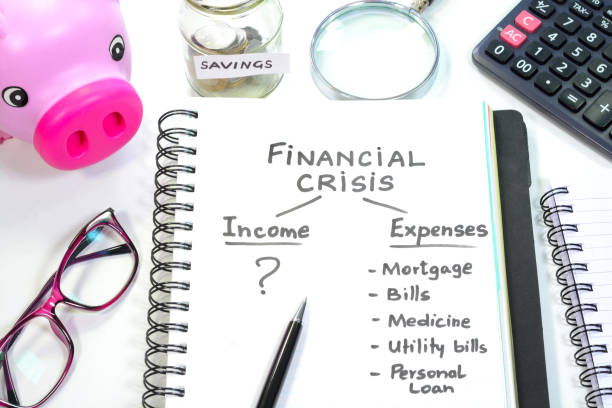
Most people think of debt in terms of credit cards, car loans, or mortgages. But there is another type of debt that often flies under the radar until it becomes a serious problem: utility and services debt. This includes unpaid electric bills, gas bills, water bills, internet, phone, and even trash collection. Because these services are essential for daily life, falling behind on them can create a cascade of problems that go far beyond a simple late fee. Understanding how utility debt works, what happens when you stop paying, and how it can damage your credit is critical for any middle-class consumer trying to stay in control of their finances.
Utility companies are not like credit card issuers. They provide a vital service, and they have the power to cut off that service if you do not pay. When you miss a payment, most companies will add a late fee, then send a reminder. If you still do not pay after a few weeks, you will typically receive a shutoff notice. That notice gives you a deadline, usually 10 to 30 days, to pay the past due amount or make a payment arrangement. If you ignore it, the company has the legal right to disconnect your power, gas, or water. In many states, there are special protections during winter or for medical emergencies, but those rules vary and are not guaranteed. Once the service is disconnected, getting it turned back on is not a simple matter of flipping a switch. You will usually have to pay the full overdue balance plus a reconnection fee, and sometimes even a security deposit. That can easily total several hundred dollars, a shock to anyone already struggling.
But the damage does not stop there. Many utility companies now report unpaid accounts to credit bureaus, either directly or through third-party debt collectors. Not all utilities report to the three major credit bureaus—Equifax, Experian, and TransUnion—every month. However, if your account goes to collections, that collection account will definitely show up on your credit report. A single collection account can drop your credit score by 50 to 100 points or more. That makes it harder to get a mortgage, rent an apartment, or even qualify for a new cell phone plan. Some landlords and employers also check credit reports, so a utility collection can affect where you live or where you work.
Another hidden consequence is difficulty getting new utility service. When you move, the new utility company will often run a credit check. If they see a past-due balance from a previous provider, they may require a large up-front deposit before turning on your electricity or gas. Some companies will simply refuse service until the old bill is paid. This can trap you in a situation where you cannot move to a cheaper apartment or a new city because you cannot get basic utilities turned on.
The common thread in all of this is that utility debt tends to snowball quickly. A $150 electric bill that goes unpaid for a few months can accumulate late fees, then turn into a $300 shutoff and reconnection cost, then become a $400 collection account that drags down your credit for seven years. That is a heavy price for what started as a relatively small amount.
So what can you do if you are falling behind on utility bills? First, do not ignore the letters. Call the utility company as soon as you realize you might be late. Most companies have hardship programs or payment plans that let you spread past-due amounts over several months. Many states also have Low Income Home Energy Assistance Program (LIHEAP) or other assistance funds that can help cover a portion of your bill. If you have a medical condition that requires electricity for life-support equipment, tell the company—they may qualify for special protection against shutoff.
Second, prioritize your utility payments over some other debts. A late payment on a credit card will hurt your credit, but it will not leave you in the dark. A shutoff notice means you could lose power, heat, or water. That is a more immediate emergency. If your budget is tight, pay the utility bill first, then pay the minimum on credit cards, and call your credit card issuer to explain the situation.
Finally, if you already have a utility debt in collections, do not panic. You can negotiate. Collection agencies often buy debts for pennies on the dollar, so they may accept a lump sum payment of 40 to 60 percent of the balance to settle the account. Get the agreement in writing before you pay. Once you pay, the collection will show as “paid” or “settled” on your credit report. That is not as good as never having a collection at all, but it is far better than an unpaid collection. Over time, its impact on your credit score will fade.
Utility and services debt is easy to overlook because it does not feel like “borrowing.” But when you consume electricity or water and do not pay for it, you are effectively taking out a loan from the utility company. Treat it with the same seriousness as any other debt. A small missed payment can spiral into a disconnection, a collection account, and years of credit trouble. By staying ahead of the bills, communicating early, and using available assistance programs, you can keep the lights on and your credit intact.