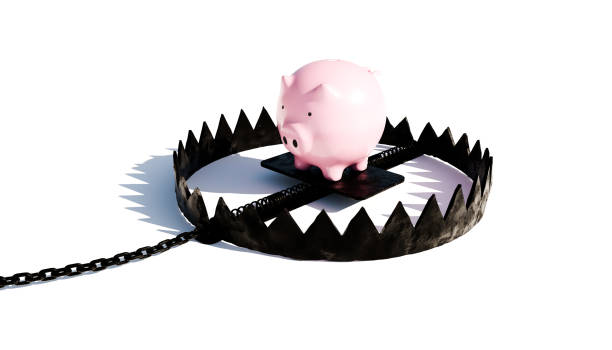
An installment loan is supposed to be simple. You borrow a fixed amount, agree to pay it back in equal monthly chunks over a set period, and when the last payment is made, the loan is gone. Car loans, personal loans, student loans, and even some mortgages work this way. For middle-class consumers, installment loans often feel like a reliable tool—predictable, structured, and easy to budget. But there is a quiet trap that many people fall into when they become overextended: extending the loan term to lower the monthly payment. What looks like a lifeline can actually pull you deeper into debt.
When you are struggling to make ends meet, a lower monthly payment sounds like a gift. Maybe you refinance your car loan from four years to six. Maybe your lender offers to stretch your personal loan from three years to five. The monthly number drops, and you breathe easier. But here is what is easy to miss: the longer you take to pay off the loan, the more interest you pay overall. And more importantly, you stay in debt longer, which limits your financial flexibility for years to come.
Let’s look at a typical example. Suppose you took out a $15,000 personal loan at 8 percent interest to consolidate some credit card debt. On a three-year term, your monthly payment would be about $470, and you would pay roughly $1,900 in total interest over the life of the loan. That is manageable. But if you are overextended—maybe a job loss or an unexpected medical bill has squeezed your cash flow—you might ask the lender to stretch the term to five years. Now your monthly payment drops to about $304. That feels much better. But here is the catch: over five years, you will pay about $3,250 in interest. That is $1,350 more for the same borrowed money. And you will be making car or loan payments for two extra years, during which you cannot save for retirement, a down payment, or even an emergency fund.
The problem goes beyond just extra interest. Extending the term often encourages a habit of living with debt as a permanent condition. Middle-class consumers who are overextended tend to treat lower payments as a permanent fix rather than a temporary bandage. They might take out another installment loan a year later, or run up credit cards again, because the old loan’s monthly burden is smaller. This is how a single overextension spirals into a cycle of multiple loans, each with its own long term. The borrower ends up with a pile of monthly payments that add up to more than they ever would have paid on the original shorter loan.
Another hidden cost is that lenders often charge a fee for refinancing or extending the term. Even if they present it as a “no-cost modification,” those fees are usually rolled into the new loan balance. So you are paying interest on the fees themselves. And if your credit score has dropped because you are overextended, the interest rate on the extended loan may be higher than the original one. Suddenly your “lower payment” is built on a bigger principal and a higher rate, and the total debt load grows even faster.
What should you do instead? First, recognize that extending a loan term is a serious decision, not a casual budget fix. If you are overextended, look at your entire financial picture. Can you cut spending somewhere else? Can you pick up temporary side work to make the original payment? Can you ask your lender for a hardship forbearance that pauses payments temporarily without changing the term? Many lenders offer short-term relief without the long-term cost of a term extension.
Second, if you absolutely must lower the payment, try to extend the term by only a small amount. Go from three years to four, not from three to six. Every extra year adds interest, but a modest extension is far less damaging than a dramatic one. Also, make sure you are not paying a fee for the extension that cancels out the short-term benefit.
Third, commit to paying extra whenever you can. If you extend the term, set a goal to pay off the loan in the original time frame anyway by making occasional additional payments. Even one extra payment per year can shave months off the extended term and save hundreds in interest.
Finally, remember that the goal of installment debt is to eventually be free of it. A shorter loan term puts pressure on your budget now, but it releases you sooner. An extended term relieves pressure today but keeps you locked into debt tomorrow. Being overextended is stressful, but the solution is not to stay in debt longer. It is to find a sustainable path that gets you out.
Extending your installment loan term is a classic example of a short-term fix creating a long-term problem. The math is relentless: more months mean more interest, and more debt means less freedom. Before you agree to stretch out payments, ask yourself if the temporary relief is worth the permanent cost. For most middle-class consumers, it is not. The better move is to tighten the belt now and cut the rope later, rather than letting the rope get longer every time you feel a tug.